
Introduction
The concept of the digital nomad has gained considerable popularity, particularly in recent years, as the world becomes more interconnected and remote work options expand. For individuals who are passionate about travel and flexibility, working as a digital nomad offers a lifestyle filled with opportunity, exploration, and freedom. Asia, with its diverse cultures, stunning landscapes, and affordable living options, has become a major destination for digital nomads worldwide. This article explores the fundamentals of digital nomadism, current trends in Asia, and the most popular countries in Asia for those seeking a digital nomad lifestyle.
Definition of Digital Nomads
Digital nomads are individuals who leverage technology to work remotely while traveling and living in different locations, often on a long-term basis. Unlike traditional travelers, digital nomads blend work and exploration, setting up temporary bases in cities or regions they wish to explore further. They are not tied to a single location, and their work setup is typically designed to be mobile, whether through freelancing, running an online business, or being employed by companies that support remote work. This lifestyle provides an alternative to conventional work settings and offers a balance between career and personal exploration.
Trends for Digital Nomads in Asia
Asia has become a major hub for digital nomads due to its affordability, variety of destinations, and growing infrastructure to support remote work. Cities across the continent are adapting to cater to digital nomads, with co-working spaces, networking events, and digital nomad communities springing up in various locations. From beachside towns in Thailand and Bali to bustling urban centers like Singapore and Tokyo, Asia’s vast range of options allows nomads to select destinations that suit their lifestyle, budget, and professional needs. Trends indicate a steady increase in the number of digital nomads in Asia, with governments now recognizing the benefits and introducing specific visas for long-term remote workers.
Popular Countries for Digital Nomads in Asia
Asia offers numerous appealing destinations for digital nomads, each with its own unique advantages. This section explores some of the top countries that have become go-to places for remote workers, including aspects like travel appeal, visa options, and living costs.
Travel Appeal
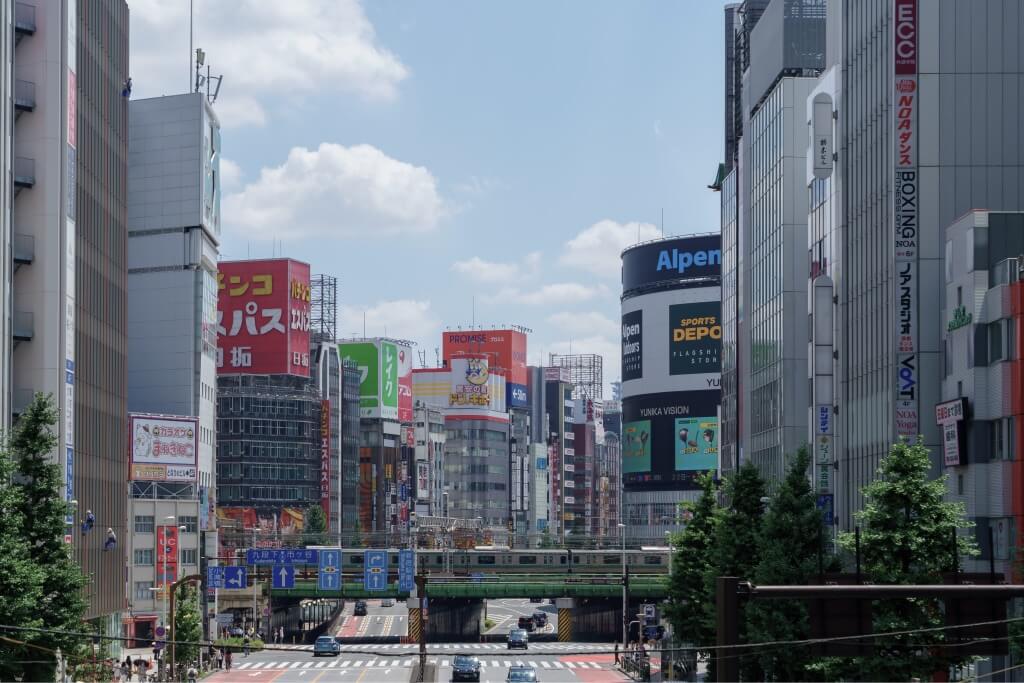
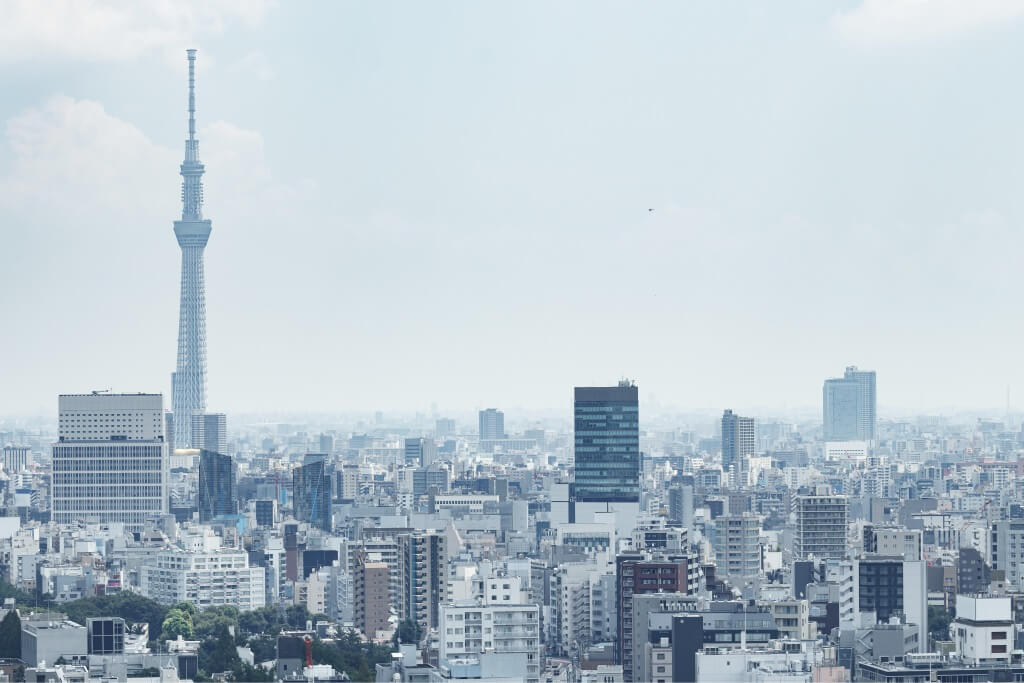
Countries across Asia hold immense travel appeal for digital nomads, with destinations catering to various tastes and preferences. Thailand, for example, attracts digital nomads to its beautiful islands, lively nightlife, and rich culture, while Japan offers a blend of traditional and ultra-modern experiences. Vietnam is known for its affordability and stunning landscapes, ideal for those seeking adventure. Bali, a popular spot in Indonesia, combines stunning beaches, a laid-back lifestyle, and a strong digital nomad community. These countries offer a balance between natural beauty, vibrant cities, and unique cultural experiences that enrich the lives of nomads.
Visa Options
One of the essential factors for digital nomads in Asia is the availability of visa options that allow them to stay longer. Thailand has introduced a “Smart Visa” specifically for remote workers and entrepreneurs, providing a one- to four-year stay. Indonesia’s Bali has implemented the B211A visa, allowing remote workers to stay for up to six months. Malaysia also offers the “Malaysia My Second Home” program, which provides long-term visas under specific conditions. Japan has options for specific work visas that cater to those involved in certain professions. These visa offerings are a step forward, encouraging digital nomads to select destinations based on flexibility and legal support for long-term stays.
Cost of Living and Lifestyle
Asia is particularly attractive to digital nomads due to its range of affordable and accessible living options. Countries like Vietnam and Thailand offer low-cost accommodations, food, and transportation, making it feasible to enjoy a high quality of life without a high cost. Japan, while more expensive, provides amenities and conveniences for those willing to budget a bit more. In Bali, digital nomads can find budget-friendly villas and co-living spaces that cater specifically to remote workers. Moreover, many Asian countries have robust transport networks, affordable healthcare, and thriving social scenes that contribute to a rich and balanced lifestyle for digital nomads seeking both work and leisure.
Japan's Digital Nomad Visa Options
Japan, a country known for its unique blend of ancient traditions and advanced modernity, has been an appealing destination for digital nomads seeking an immersive cultural experience alongside a dynamic urban lifestyle. Although Japan doesn’t currently have a dedicated “digital nomad visa,” there are several visa options that allow remote workers and digital nomads to legally reside in the country for extended periods. This section outlines the available visa types, the application process, key considerations, work regulations, and living costs for those who aspire to live as digital nomads in Japan.
Types of Visas in Japan
Japan offers various visa types that can accommodate digital nomads, although each comes with specific conditions. The most common options include:
- Tourist Visa: A short-term visa that allows visitors to stay up to 90 days, depending on nationality. While it doesn’t permit official employment, digital nomads often use this visa for shorter stays.
- Business Manager Visa: Suitable for entrepreneurs and freelancers who intend to establish a business in Japan. This visa requires a minimum investment and physical office space, making it more suited for long-term digital nomads willing to base their operations in Japan.
- Highly Skilled Professional Visa: Targeted toward those with advanced skills in certain fields, this visa offers advantages such as a longer stay duration and eligibility for permanent residency within five years. It’s ideal for skilled professionals working in fields like IT, engineering, or finance.
- Working Holiday Visa: Available to citizens of select countries and offering a stay of up to one year, this visa allows for both travel and part-time work. While primarily designed for younger travelers, digital nomads who qualify may find it useful for extended stays.
Application Process
Applying for a visa to Japan involves careful preparation and adherence to guidelines set by the Japanese immigration authorities. The process generally includes:
- Gathering Required Documents: Applicants need essential documents like a valid passport, recent photographs, and proof of financial stability. Specific visas, such as the Business Manager Visa, require additional documents, including business plans and proof of investment.
- Application Submission: Applications are typically submitted to the Japanese embassy or consulate in the applicant’s home country. For specific visas, such as the Highly Skilled Professional Visa, an initial assessment may be conducted to verify the applicant’s eligibility.
- Approval and Issuance: Once approved, the applicant will receive a Certificate of Eligibility (COE) for longer-term visas, which needs to be submitted upon entry to Japan to finalize the visa status.
The application process may vary slightly depending on the visa type and the applicant’s nationality, so it’s advisable to check specific requirements before proceeding.
Important Considerations
There are several important considerations for digital nomads planning to stay in Japan. Firstly, the country’s immigration laws are strict, especially regarding visa compliance and work restrictions. Digital nomads should ensure they remain within the boundaries of their visa permissions to avoid penalties or deportation.
Furthermore, Japan has a high standard of living, and cultural norms can differ significantly from those in other countries. For example, Japanese society places great importance on etiquette and respect for local customs, which digital nomads should be mindful of to foster positive interactions and a smoother experience.
Finally, language can be a barrier for those unfamiliar with Japanese. While major cities offer more English-speaking services, it’s beneficial to learn basic Japanese phrases, especially for daily life and social situations.
Working While Staying
Digital nomads on certain visas may face restrictions regarding employment within Japan. Tourist visas, for instance, do not permit any form of work, so individuals on these visas should focus on activities that do not constitute employment within Japan. In contrast, the Working Holiday Visa allows part-time employment, offering flexibility for younger digital nomads who wish to fund their travels while exploring the country.
For digital nomads seeking to run or establish a business in Japan, the Business Manager Visa is a suitable choice, as it enables active engagement in local economic activities. The Highly Skilled Professional Visa is also advantageous for those employed in specific fields, providing more leeway to work within Japan.
It’s essential for digital nomads to understand these distinctions and select a visa that aligns with their intended work activities to ensure compliance with Japan’s regulations.
Cost of Living in Japan
Japan’s cost of living can vary significantly depending on location, lifestyle, and accommodation choices. Major cities like Tokyo and Osaka tend to have higher living costs, especially for housing. Monthly rent in Tokyo’s central areas can range from $1,000 to $2,500, depending on the apartment’s size and proximity to transit hubs. However, less expensive accommodations are available in suburban areas, and co-living spaces provide a budget-friendly option for digital nomads.
Daily expenses such as food, transportation, and entertainment are generally affordable outside of Tokyo. Dining Out offers a wide range of options, from inexpensive meals at local eateries to higher-end dining experiences. Public transportation is efficient and relatively cost-effective, especially with monthly passes.
Overall, Japan offers a high standard of living with a well-developed infrastructure, making it an attractive destination for digital nomads who are prepared to budget accordingly.
Finding Accommodation in Japan
Finding suitable accommodation in Japan as a digital nomad can be both exciting and challenging. With a range of options from traditional apartments to modern co-living spaces, Japan offers flexibility that can suit different lifestyles and budgets. For digital nomads, choosing the right accommodation can significantly impact their experience in Japan. This section provides guidance on using Unito for renting, suggests recommended areas to live in, and offers helpful renting tips to make the process smoother.
How to Use Unito
Unito is a platform designed to simplify the rental process for those looking for short- to mid-term accommodations in Japan. It caters specifically to international residents, including digital nomads, by providing listings that are furnished, move-in ready, and often equipped with amenities such as Wi-Fi, which is crucial for remote work.
To use Unito, follow these steps:
- Create an Account: Sign up on the Unito website to gain access to its full range of properties and features.
- Search for Properties: Enter your desired location, budget, and accommodation type to browse the available listings. Unito's filters allow you to refine your search based on criteria such as monthly rent, amenities, and property size.
- View Property Details: Each listing includes comprehensive information about the property, including photos, location details, and move-in conditions. This helps you get a clear idea of what to expect before making any commitments.
- Contact the Landlord or Manager: Unito facilitates direct communication with property managers, making it easier to ask questions and clarify details about the lease agreement or specific terms.
- Book Your Accommodation: Once you find a suitable property, you can proceed with the booking process, which is typically straightforward and can be completed online.
Unito’s user-friendly interface and international focus make it an ideal choice for digital nomads who may not be familiar with Japan's rental market or language.
Recommended Areas
Japan offers a variety of areas that cater to different preferences, whether you're looking for a bustling city atmosphere or a quieter suburban lifestyle. Here are some of the most recommended areas for digital nomads:
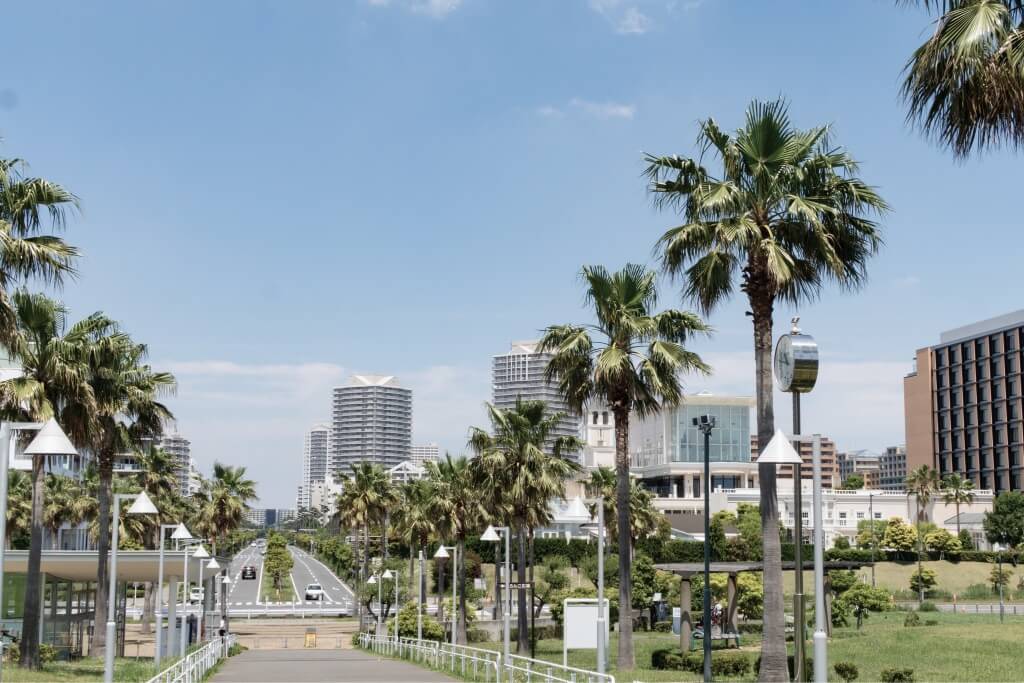
- Tokyo: As Japan's capital, Tokyo is the most popular choice for digital nomads. Neighborhoods like Shibuya, Shinjuku, and Roppongi offer a vibrant city life with easy access to coworking spaces, cafes, and transportation. For a more laid-back vibe, consider quieter areas such as Kichijoji or Nakano.
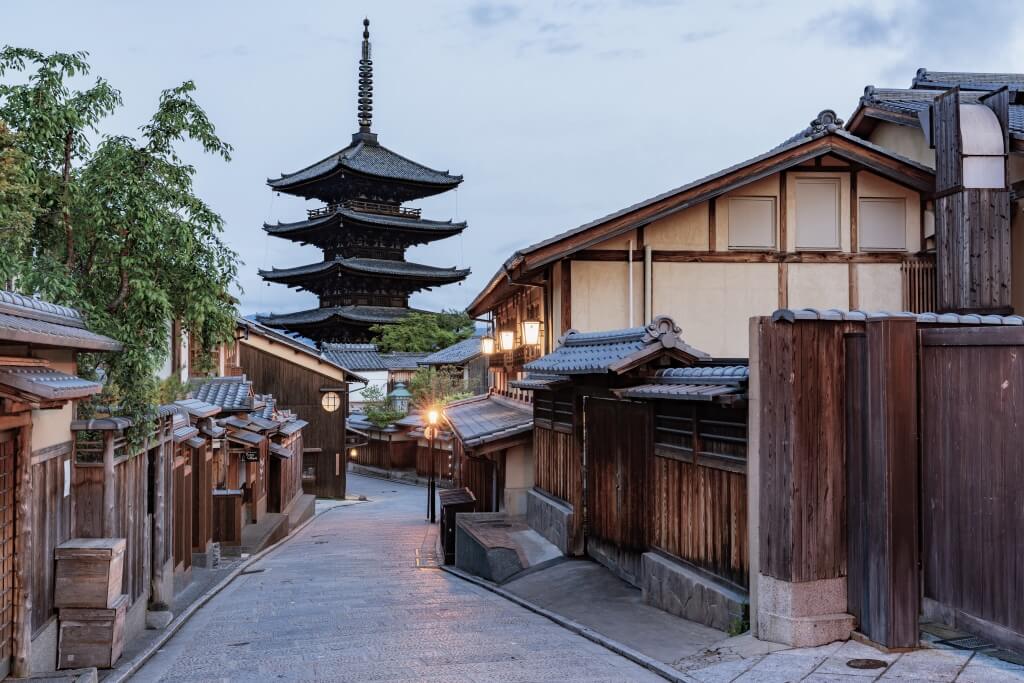
- Kyoto: Known for its rich cultural heritage and historical sites, Kyoto provides a unique living experience. Digital nomads who appreciate traditional Japanese architecture and a slower pace of life will find Kyoto appealing. The city's blend of old and new makes it an inspiring place to work remotely.
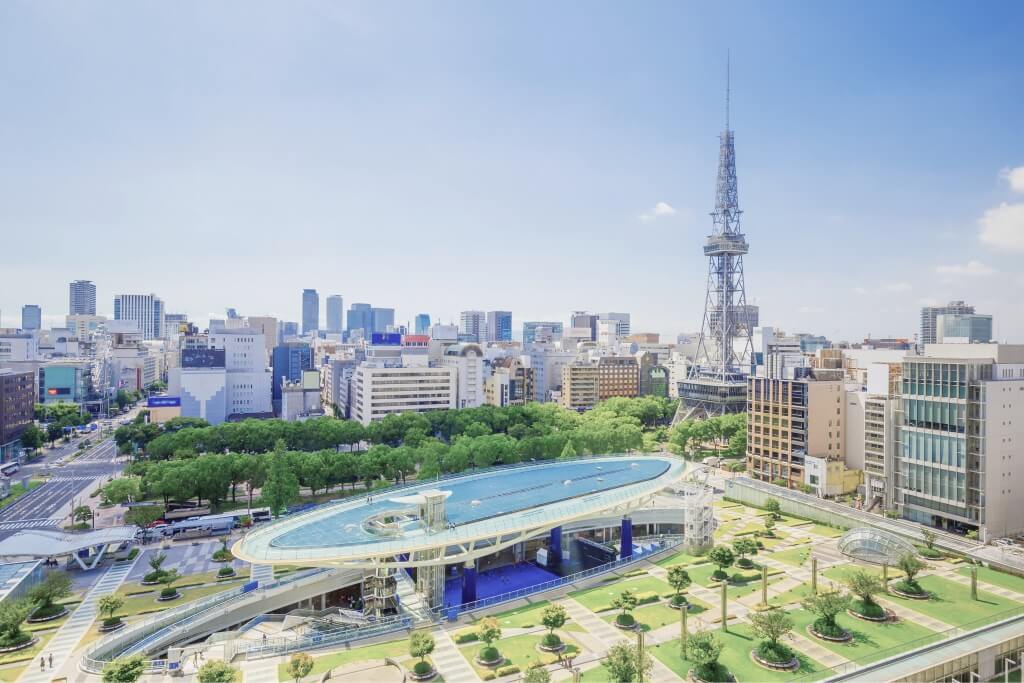
- Osaka: As Japan's second-largest city, Osaka has a lively atmosphere and is famous for its food scene and nightlife. Areas like Namba and Umeda are central, providing easy access to coworking spaces and amenities, while places like Tennoji offer a more relaxed environment.
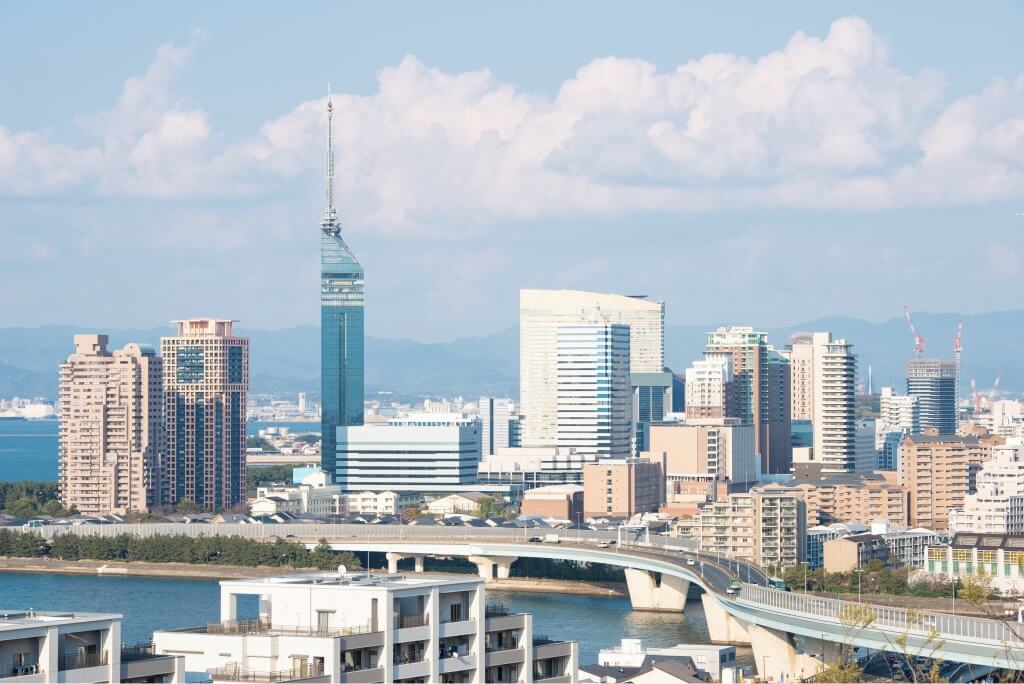
- Fukuoka: For those seeking a city with a balance of urban life and nature, Fukuoka is a great choice. It is known for its affordability, friendly locals, and proximity to beaches and parks. The city’s compact size also makes it easy to get around.
These areas offer diverse lifestyles, from the fast-paced energy of Tokyo to the tranquil surroundings of Kyoto, allowing digital nomads to choose a living environment that best suits their needs.
Renting Tips
Renting in Japan can be different from other countries, with its own set of rules and practices. Here are some essential tips to help you navigate the rental process:
- Be Prepared for Initial Costs: Renting in Japan often comes with initial expenses, including a security deposit, key money (a non-refundable fee), and agent fees. Budget accordingly, as these can add up to several months' worth of rent upfront.
- Consider Furnished Apartments: As a digital nomad, opting for a furnished apartment can save time and money. Look for properties that include basic furnishings, kitchen appliances, and utilities, which are commonly offered through platforms like Unito.
- Check Lease Terms Carefully Lease agreements can vary significantly. Some properties have strict rules about contract lengths, while others offer more flexible terms suitable for shorter stays. Make sure to read the terms carefully or ask for clarification to avoid misunderstandings.
- Use Rental Platforms that Support English: If you’re not fluent in Japanese, using rental platforms that provide English support can be very helpful. Unito and other international-focused platforms simplify the process by offering communication and contracts in English.
- Plan for Connectivity: Reliable internet is crucial for digital nomads. Confirm that the property provides high-speed internet, or inquire about options for setting up Wi-Fi upon arrival. Some rentals include Wi-Fi as part of the amenities, which can be a major convenience.
By understanding the rental landscape and preparing accordingly, digital nomads can find the right accommodation in Japan, ensuring a comfortable and productive stay.
Other Countries in Asia With Digital Nomad Visas
As remote work continues to grow in popularity, various countries across Asia have recognized the benefits of attracting digital nomads and have introduced specialized visas to cater to this unique demographic. Each country offers its own set of perks, from affordability to cultural richness, making Asia an ideal region for digital nomads seeking diverse experiences. This section explores some of the most popular digital nomad visa options available in Asia, including those in Bali, Thailand, the Philippines, and Vietnam.
Digital Nomad Visa in Bali
Bali, Indonesia, has become one of the world’s top destinations for digital nomads, celebrated for its beautiful beaches, vibrant community, and relatively low cost of living. Indonesia offers the B211A visa, which allows foreigners, including digital nomads, to stay for up to six months. This visa is extendable, providing an alternative for those seeking a medium-term stay without the need for frequent visa runs.
Bali’s appeal lies not only in its natural beauty but also in its robust digital nomad community. Areas like Canggu and Ubud have become hubs for remote workers, with an array of co-working spaces, networking events, and cafes with reliable Wi-Fi. For those looking for a place that balances work with relaxation and leisure, Bali offers an ideal mix, allowing digital nomads to enjoy a relaxed lifestyle with ample opportunity for productivity and community building.
Benefits in Thailand
Thailand is another top destination for digital nomads, and the Thai government has introduced several visa options to cater to long-term visitors. One of the notable options is the “Smart Visa,” which is aimed at skilled professionals, entrepreneurs, and freelancers. This visa offers a stay of up to four years and is designed for remote workers in industries such as IT, engineering, and finance. For digital nomads who qualify, the Smart Visa eliminates the need for a work permit and allows dependents to join the visa holder, making it a family-friendly choice as well.
In addition to the Smart Visa, Thailand also offers the Special Tourist Visa (STV), which allows an extended stay of up to nine months. This visa is ideal for digital nomads who plan to stay longer and enjoy Thailand's mix of vibrant cities, beaches, and affordable living. Bangkok, Chiang Mai, and Phuket are popular locations among digital nomads, each offering a distinct lifestyle ranging from urban excitement to tropical serenity.
Options in the Philippines
The Philippines has been gradually gaining attention among digital nomads due to its beautiful islands, English-speaking population, and affordable lifestyle. Although there is no dedicated digital nomad visa, the country offers options that allow digital nomads to stay for an extended period. One such option is the Special Resident Retiree’s Visa (SRRV), which, while originally designed for retirees, has been adopted by younger digital nomads looking for a long-term stay option.
For digital nomads interested in shorter stays, the Philippines offers a standard tourist visa, which can be extended for up to 36 months, depending on the nationality. This flexibility allows nomads to enjoy a lifestyle that includes exploring the Philippines’ stunning natural landscapes, from the beaches of Palawan to the vibrant city life in Manila and Cebu. With its relatively low cost of living, the Philippines is an attractive option for those seeking both affordability and adventure.
Living in Vietnam
Vietnam has become an increasingly popular destination for digital nomads, thanks to its affordable living, thriving expat community, and strong coffee culture. While there is no specific digital nomad visa in Vietnam, digital nomads often enter the country on a tourist visa, which can be renewed or extended, allowing stays of up to a year depending on the circumstances. The Vietnamese government is also considering long-term visa options, which may soon provide digital nomads with more formal opportunities to reside in the country.
Popular cities for digital nomads in Vietnam include Ho Chi Minh City and Hanoi, which offer a blend of traditional culture and modern conveniences. Vietnam’s affordable cost of living, especially when it comes to food and accommodation, makes it a favored destination for those looking to stretch their budgets while maintaining a comfortable lifestyle. The country’s increasing number of co-working spaces and the welcoming local culture further add to its appeal for remote workers.
These countries each offer unique benefits for digital nomads, combining favorable visa options, cost-effective living, and cultural richness, making Asia a prime region for those pursuing the digital nomad lifestyle.
Tips for Living as a Digital Nomad in Asia
Living as a digital nomad in Asia offers a unique opportunity to experience diverse cultures, scenic landscapes, and vibrant cities while maintaining a career remotely. However, adjusting to a new environment while balancing work and personal life can be challenging. From maintaining work-life balance to connecting with local and expat communities, there are several strategies that can enhance the digital nomad experience in Asia. This section provides essential tips for making the most of life as a digital nomad in this dynamic region.
Work-Life Balance
Maintaining a healthy work-life balance is crucial for digital nomads, especially in Asia, where time zones and cultural differences may affect working hours and routines. Here are some strategies to help achieve balance:
- Establish a Routine: Setting a regular work schedule can help separate work from personal time. Identify peak productivity hours and align them with your job requirements to ensure you’re able to complete tasks efficiently while still having time to explore your surroundings.
- Choose the Right Workspace: Many Asian cities have co-working spaces that cater to digital nomads, providing reliable internet, quiet environments, and networking opportunities. Alternatively, cafes and libraries can offer a change of scenery while still supporting productive work hours.
- Set Boundaries: Time management and setting boundaries with clients or employers can prevent work from overtaking your personal life. Use tools like time-tracking apps or set specific communication hours to ensure you stay in control of your schedule.
- Prioritize Health and Wellbeing: Incorporate activities like exercise, meditation, or social outings into your daily routine to maintain a balanced lifestyle. Many cities in Asia offer accessible fitness options, from yoga classes to gym memberships, that can help you stay active.
Connecting With the Community
Building connections with both local residents and fellow digital nomads can greatly enhance the experience of living in a new country. Asia’s diverse communities offer a wealth of opportunities for meaningful connections.
- Join Expat and Digital Nomad Groups: In cities like Bangkok, Bali, and Ho Chi Minh City, there are numerous online forums, social media groups, and meet-ups for digital nomads. These communities provide a support network, allowing you to connect with others who share similar experiences and challenges.
- Attend Local Events and Networking Opportunities: Many cities host events, workshops, and conferences tailored to remote workers and entrepreneurs. These gatherings offer excellent opportunities to meet like-minded people, expand your professional network, and learn from others in the community.
- Learn the Language Basics: Even a few words in the local language can go a long way in building connections with local residents. In countries like Japan, Thailand, and Vietnam, basic greetings and phrases can make daily interactions smoother and show respect for the culture.
- Volunteer or Take Part in Community Activities: Volunteering or joining local community activities can provide valuable cultural insights and help establish a deeper connection with your surroundings. Many Asian countries offer community programs and events where foreigners can participate.
Understanding the Culture
Asia’s rich cultural diversity is one of its greatest appeals for digital nomads, but adjusting to different customs and social norms is important for a rewarding experience.
- Respect Local Etiquette: Each country in Asia has its own customs regarding dress, behavior, and social interactions. Taking time to learn about and respect these practices can lead to a smoother transition and help you avoid misunderstandings. For example, in many parts of Asia, modest dress and polite manners are highly valued.
- Adapt to Local Customs in Daily Life: Everyday routines may differ from what you’re used to. For instance, in Japan, removing shoes before entering someone’s home is customary, while in Thailand, a gentle nod or “wai” greeting is a polite way to acknowledge others. Small gestures of respect can go a long way in building positive relationships.
- Stay Open to New Experiences: Embrace the opportunity to experience different ways of life, from unique culinary dishes to traditional festivals and local traditions. Asia’s diversity means there’s always something new to learn or try, which can enrich your time as a digital nomad.
- Practice Patience and Adaptability: Moving to a new country comes with a learning curve, and there may be challenges, from language barriers to unfamiliar systems. Approach these with patience, and remain flexible in adapting to new situations, as it can greatly improve your overall experience.
By focusing on work-life balance, community connections, and cultural understanding, digital nomads can make the most of their time in Asia. Embracing these aspects will not only improve productivity but also foster a richer, more rewarding experience living abroad.
Apartments for Rent in Japan
Sugusumu Azabujuban by unito
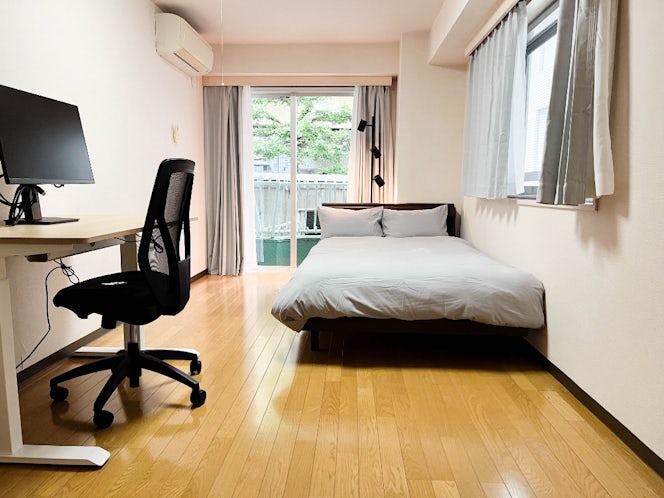
Access: 1 minute walk from Azabu-juban Station on Tokyo Metro Namboku Line
Equipment: Bath (shower), toilet, kitchen, bed, stove (including IH), air conditioner, washing machine (free of charge), refrigerator, desk (for work) included
Room Features: Standard furniture and appliances such as beds, washing machines, and refrigerators, of course. Some rooms are equipped with elevating desks, work chairs, and monitors! Recommended for remote work!
Security: All rooms are on the 2nd floor. There is a door that requires a key to enter the hallway where the rooms are located from the 2nd floor.
URL: https://unito.life/property/16186
unito Residence Kyoto Takasegawa
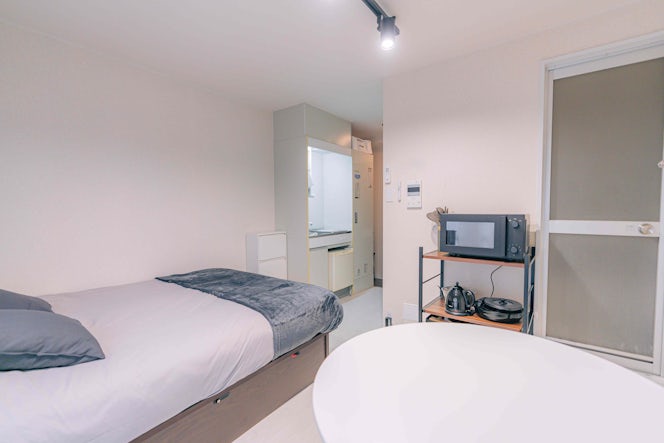
Access: 3 min. walk from Shimizu Gojo Sta. on the Keihan Main Line / 10 min. walk from Shichijo Sta. on the Keihan Main Line
Equipment: Bed, bath (shower) and toilet, kitchen, futon, kitchen utensils, stove (including IH), air conditioner, bathroom utensils (shampoo and body soap), washing machine (free), refrigerator included
There are many world-famous and famous temples and shrines, historic sites, important cultural assets, etc., including Kiyomizu-dera Temple, where you can enjoy taking a walk!
It is also very accessible to Osaka along the Keihan railway line, and it is possible to go to JR Kyoto Station and Shijo Kawaramachi on foot! Away from the downtown area, you can spend your time quietly at night♪ There are supermarkets, pharmacies, and coin laundromats in the neighborhood. Also, many convenience stores are very convenient!
You can also walk or ride a bicycle to Shijo-Kawaramachi, where there are many department stores, and you can get everything you need. Rooms 1, 2, and 3 face the Takase River, so you can enjoy the view!
URL: https://unito.life/property/13215
Sugusumu Otemachi by unito
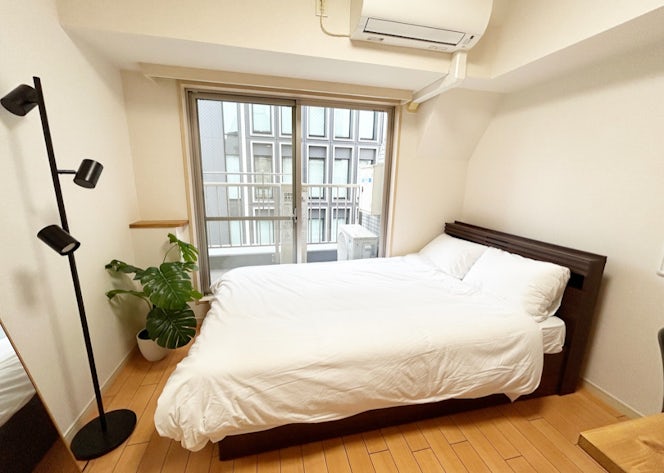
Access: 4 min. walk from Kanda Station on JR Yamanote Line / 5 min. walk from Otemachi Station on Tokyo Metro Marunouchi Line
Equipment: Bed, bath (shower) and toilet, kitchen, living room, stove (including IH), air conditioner, washing machine (free of charge), refrigerator, desk (for work) included
Not to mention standard furniture and appliances such as beds, washing machines, and refrigerators. All rooms have wood flooring, air conditioning, independent washstands, and other amenities to enrich your life. In addition, the apartments are equipped with auto-locks and delivery boxes, allowing you to live comfortably and safely even during your busy days. It is also recommended for remote working!
The building is conveniently located just a 4-minute walk from Kanda Station and a 6-minute walk from Otemachi Station. Although it is in a business district, you can relax in a quiet environment.
URL: https://unito.life/property/16202
Conclusion
As the world continues to adapt to remote work, the digital nomad lifestyle is expected to grow, especially across Asia, where many countries are creating specific visas and infrastructure to support this unique workforce. Living and working as a digital nomad in Asia offers a chance to experience diverse cultures, benefit from affordable living options, and become part of a growing community of remote workers. In this concluding section, we’ll explore the future outlook for digital nomads, the importance of finding the right accommodation through platforms like Unito, and what the future holds for those pursuing a location-independent lifestyle.
Future Outlook
The future of digital nomadism in Asia looks promising. Many governments in Asia have recognized the economic advantages of attracting digital nomads, which has led to a rise in specialized visas that allow remote workers to stay longer and enjoy legal stability. For instance, countries like Indonesia, Thailand, and Malaysia have created options tailored to digital nomads, demonstrating their commitment to becoming remote work hubs.
In addition to government support, there’s an expanding ecosystem of digital nomad services in Asia, from co-working spaces to networking events and international communities. Cities like Bali, Bangkok, and Ho Chi Minh City have already established themselves as popular hubs, and it’s likely that more cities will develop the infrastructure needed to cater to this growing demographic. As remote work technology improves and the nomadic lifestyle becomes more common, Asia is positioned to remain a top destination for those seeking both adventure and flexibility in their careers.
Importance of Finding Accommodation With Unito
One of the key challenges for digital nomads is securing suitable accommodation, especially in a new country where the language and rental processes may be unfamiliar. Unito is an ideal solution for digital nomads looking for short- to mid-term rental options in Japan, as it provides a wide range of fully furnished and move-in-ready properties. With options that cater to different budgets, locations, and preferences, Unito makes it easier for digital nomads to find housing that meets their needs without the usual hassles of traditional rental agreements.
Using Unito can streamline the accommodation process, as it eliminates barriers such as language difficulties, lengthy lease terms, and hidden fees often encountered in foreign rental markets. Furthermore, Unito’s properties are equipped with amenities like Wi-Fi, which is essential for remote work, and are located in areas that provide convenient access to public transportation, co-working spaces, and social hubs. By choosing Unito, digital nomads can focus on their work and experience without the stress of finding housing in a new country.
The Future as a Digital Nomad
For those embracing the digital nomad lifestyle, the future holds a wealth of possibilities. As technology advances, remote work becomes more accepted, and countries continue to adapt their policies, digital nomads will have even greater flexibility in choosing where and how they live. This lifestyle offers a rare combination of professional development, personal freedom, and cultural exploration, making it a desirable path for many.
Digital nomads who plan to work in Asia can look forward to an environment that is increasingly supportive and welcoming. By staying informed about visa changes, accommodation options, and digital nomad communities, they can enjoy a fulfilling and well-rounded experience. The future for digital nomads is bright, with Asia leading the way as a prime region for those seeking a lifestyle that combines work, travel, and growth in equal measure.