
Introduction
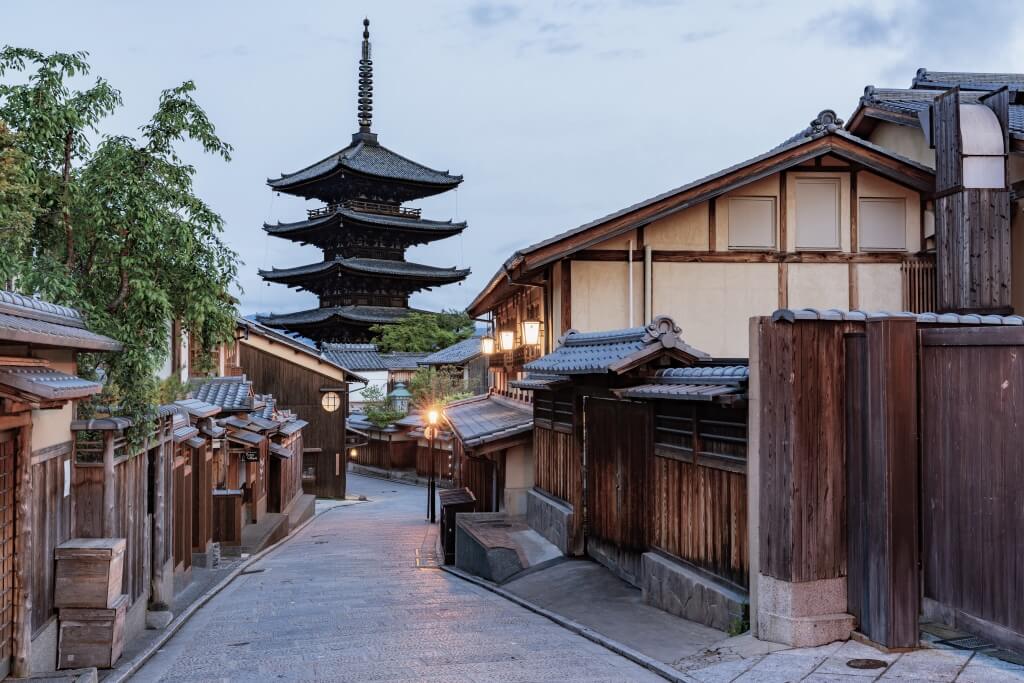
Kyoto, known for its rich history and beautiful landscapes, is becoming an attractive destination for digital nomads looking to combine work and travel in Japan. With a unique mix of tradition and modernity, Kyoto offers a calm yet inspiring environment for remote workers who wish to immerse themselves in Japanese culture while maintaining their professional activities. In recent years, the city has adapted to the needs of international travelers and remote professionals, providing a range of accommodations, workspaces, and community-building opportunities.
Overview of Digital Nomad Life in Kyoto
Living as a digital nomad in Kyoto is a unique experience that combines the city's traditional charm with the flexibility and freedom of remote work. Kyoto is home to numerous temples, shrines, and scenic spots that offer tranquility and inspiration, helping digital nomads find a balanced lifestyle. The city’s slower pace compared to Tokyo and Osaka makes it a refreshing choice for those who seek a peaceful environment to focus on work. The infrastructure in Kyoto is well-developed, with efficient public transportation, ample coworking spaces, and reliable internet connectivity. Additionally, the local culture and cuisine offer plenty of opportunities for exploration, making life as a digital nomad in Kyoto both rewarding and memorable.
Why Kyoto Is a Great Choice
Kyoto stands out as a digital nomad destination for several reasons. The city offers a unique atmosphere that blends historic elements with modern conveniences, which appeals to individuals looking for a culturally rich and immersive experience. Kyoto’s coworking spaces cater to international remote workers, providing multilingual support and a welcoming community. The cost of living in Kyoto is often lower than in Japan’s other major cities, making it an affordable option for long-term stays. Furthermore, Kyoto’s focus on preserving its cultural heritage makes it a perfect setting for nomads who appreciate art, history, and nature. Its proximity to Osaka and other major cities also makes it easy to explore the Kansai region, adding to Kyoto's appeal for digital nomads.
Exploring Kyoto
Kyoto is a city filled with fascinating neighborhoods, each with its own unique characteristics, from historic temples to modern shopping streets. For digital nomads, understanding the layout of the city and the distinctive neighborhoods can make it easier to find places that suit both their work and personal preferences. Whether you’re interested in traditional areas like Gion or modern districts like Kawaramachi, Kyoto’s neighborhoods offer something for everyone. The city also boasts a vibrant coworking scene, along with numerous cultural experiences that make Kyoto a great place to live, work, and explore.
Popular Neighborhoods for Digital Nomads
Kyoto has several neighborhoods that appeal to digital nomads, each with its unique ambiance. The Gion district is ideal for those who want to be surrounded by traditional architecture, narrow lanes, and historic tea houses. This area offers a glimpse into old Japan, with its beautifully preserved buildings and quiet atmosphere. For a more modern vibe, the Kawaramachi and Karasuma areas are popular choices, featuring a mix of shopping, dining, and coworking spaces. These neighborhoods provide easy access to transportation, cafes, and the conveniences of city life. Arashiyama, on the western outskirts, offers scenic views and a more relaxed atmosphere, perfect for those who enjoy nature and scenic landscapes.
Coworking Spaces in Kyoto
Kyoto’s coworking scene has grown significantly, with spaces catering to both locals and international visitors. Coworking spaces like Impact Hub Kyoto, Kyoto Makers Garage, and Collabo offer a range of services, from private desks to community events, providing digital nomads with an environment that encourages productivity and networking. These spaces are equipped with reliable internet, comfortable workstations, and amenities such as meeting rooms and coffee bars. Many coworking spaces in Kyoto also focus on fostering a sense of community, hosting workshops, and events where digital nomads can connect with locals and other professionals. With the diversity of coworking spaces available, digital nomads in Kyoto have plenty of options to suit their working preferences.
Cultural Experiences for Remote Workers
Kyoto is known as the cultural heart of Japan, and for remote workers, it offers numerous opportunities to engage with Japanese traditions. From tea ceremonies and calligraphy classes to exploring historic temples and gardens, Kyoto allows digital nomads to dive deep into Japanese culture. Popular sites like Kiyomizu-Dera Temple, Fushimi Inari Shrine, and the Arashiyama Bamboo
Finding Accommodation
Finding suitable accommodation is a key step for digital nomads settling in Kyoto. The city offers a variety of rental options, from traditional Japanese homes to modern apartments, allowing you to choose a living space that best suits your needs and lifestyle. With its unique blend of history and modern conveniences, Kyoto has accommodations that cater to short-term visitors and long-term residents alike. Understanding the types of rentals available, average prices and requirements will help make your search smoother and ensure a comfortable stay.
Types of Rentals Available
Kyoto offers a wide range of rental types for digital nomads, from shared apartments to fully furnished private rentals. Shared accommodations, such as guesthouses and shared houses, are popular among digital nomads who want to save on costs and meet other travelers or locals. These typically provide a private room with shared facilities like kitchens and bathrooms, fostering a community atmosphere.
For those seeking more privacy, furnished apartments are readily available in Kyoto. These are ideal for digital nomads who plan on staying for several months and prefer a self-contained living space. Furnished apartments come in various sizes, from compact studios to spacious one-bedroom units. Additionally, some accommodations feature traditional Japanese elements, like tatami flooring and sliding doors, offering a unique living experience.
Tips for Searching for Apartments
Finding the right apartment in Kyoto as a foreigner can be challenging, but with some tips and planning, you can streamline your search. Start by determining your budget, desired location, and the type of accommodation you’re looking for. Popular neighborhoods for digital nomads include Gion, Kawaramachi, and Karasuma, each offering a unique mix of convenience, culture, and amenities.
When searching online, consider using websites that cater to foreigners or offer English support. Many property listings in Japan are in Japanese, so platforms like Unito, GaijinPot Apartments, or Airbnb can help simplify the process. Additionally, contacting local real estate agencies that have English-speaking staff can provide valuable assistance, especially with navigating paperwork and understanding lease terms. Visiting the area in person is also recommended, as it allows you to get a feel for the neighborhood and the condition of the apartment.
Using Unito for Finding Accommodation
Unito is a convenient platform for digital nomads and foreigners seeking accommodations in Japan, especially in cities like Kyoto. The platform specializes in providing furnished apartments and short-term rentals, making it an excellent option for those who need flexibility and convenience. Unito offers a user-friendly interface and listings tailored to the needs of digital nomads, with properties that are ready to move in immediately.
One of the main benefits of using Unito is that they handle the complicated aspects of renting, such as deposit requirements and contract terms, making it easier for foreigners unfamiliar with Japanese rental processes. The platform also has multilingual support and detailed information on each property, helping you make an informed decision. For digital nomads looking to establish a base in Kyoto quickly, Unito offers a reliable and efficient way to secure accommodation.
Average Rental Prices
Rental prices in Kyoto can vary depending on the location, size, and amenities of the property. In popular areas like Kawaramachi and Gion, a furnished one-bedroom apartment may range from ¥80,000 to ¥120,000 per month. More affordable options are available in neighborhoods slightly outside the city center, where rental prices for a similar unit might start at around ¥60,000 per month.
Shared accommodations, like guesthouses and shared houses, are generally more budget-friendly, with monthly rates around ¥30,000 to ¥60,000. These are ideal for digital nomads looking to minimize expenses while enjoying a communal living experience. Utilities may or may not be included in the rental price, so it’s essential to clarify this with the landlord or agency beforehand. Kyoto’s rental prices are relatively affordable compared to Tokyo, making it an attractive option for digital nomads seeking a balance between cost and lifestyle.
Lease Agreements and Requirements
Understanding the lease terms and requirements is crucial when renting an apartment in Kyoto. Lease agreements in Japan typically require a deposit (shikikin), a non-refundable key money (reikin), and an agency fee, which can add up to a significant upfront cost. However, platforms like Unito or certain real estate agencies catering to foreigners may offer rentals that require lower or no key money, making it easier for digital nomads to secure a place.
For foreign renters, having a guarantor is often a requirement in Japan. Some rental agencies can act as a guarantor for an additional fee, or you may find apartments that do not require one. Additionally, it’s important to review the lease duration, as many traditional leases are for two years, though some short-term options are available through services like Unito. Before signing, be sure to clarify all terms and any additional fees, ensuring that your rental agreement aligns with your intended length of stay and budget.
Setting Up Your Workspace
Creating a comfortable and productive workspace is essential for digital nomads in Kyoto. Whether you prefer working from cafes, setting up a home office, or relying on co-working spaces, Kyoto offers various options tailored to your needs. With a balance of serene environments and modern amenities, the city provides digital nomads with unique and inspiring workspaces. This section explores the best cafes for remote work, tips for setting up a home office, and information about internet connectivity to help you work efficiently while enjoying your time in Kyoto.
Best Cafes for Remote Work
Kyoto is home to numerous cafes that cater to remote workers, offering quiet atmospheres, reliable Wi-Fi, and excellent coffee. For those who enjoy working in vibrant surroundings, here are some of the best cafes for remote work in Kyoto:
- Arabica Kyoto Higashiyama: Located in the scenic Higashiyama area, this cafe is popular among locals and tourists. With its minimalist design, quality coffee, and serene atmosphere, it’s an ideal spot for focused work sessions.
- Cafe Bibliotic Hello!: A favorite among creatives, this cafe offers a cozy and artistic setting with spacious seating. The ambiance is relaxed, making it perfect for working on creative projects or enjoying a quiet read.
- Mumokuteki Cafe: This cafe in downtown Kyoto offers a comfortable space with a natural and eco-friendly vibe. It provides a calm setting with plenty of space and vegan food options, making it a popular choice for digital nomads.
- Len Kyoto Kawaramachi: Part hostel, part cafe, Len is a great place for those looking to meet other travelers while working. The communal tables and relaxed environment make it easy to settle in for a few hours of productive work.
These cafes combine good coffee with a conducive work environment, allowing you to stay productive while exploring different parts of Kyoto.
Home Office Setup Tips
If you prefer working from home, setting up an efficient and comfortable home office can significantly enhance your productivity. Here are a few tips for creating an ideal workspace in your Kyoto apartment:
- Choose a Dedicated Space: Select a spot in your apartment where you can set up a desk and work uninterrupted. A dedicated space helps establish a clear boundary between work and relaxation areas.
- Invest in Ergonomic Furniture: A comfortable chair and desk setup are essential for long work hours. Look for ergonomic chairs available for rent or purchase to ensure comfort and support while working.
- Lighting Matters: Proper lighting can improve focus and reduce eye strain. If possible, position your desk near a window for natural light, or use a desk lamp with adjustable brightness for evening work sessions.
- Keep Essentials Accessible: Keep your workspace organized with essential items like chargers, notebooks, and other supplies within reach. Minimal clutter helps maintain focus and creates a more organized work environment.
- Add Personal Touches: Consider adding a few personal touches, like plants or artwork, to make your workspace feel more inviting. A pleasant work environment can improve motivation and keep you energized throughout the day.
By setting up a dedicated home workspace, you can maintain productivity and enjoy a balance between work and relaxation during your stay in Kyoto.
Internet Connectivity in Kyoto
Reliable internet connectivity is essential for digital nomads, and Kyoto offers several options for staying connected. Most cafes, co-working spaces, and accommodations provide free Wi-Fi, allowing remote workers to work comfortably from various locations across the city. However, for those needing a stable and faster connection, there are additional solutions to consider.
- Home Wi-Fi: Many rental apartments in Kyoto offer high-speed internet as part of the lease, making it convenient to work from home. If the apartment doesn’t come with Wi-Fi, setting up a contract with a local internet provider is straightforward. Companies like NTT and SoftBank offer monthly plans that provide fast and reliable service.
- Pocket Wi-Fi: For digital nomads who work from multiple locations or need internet while traveling around Japan, renting a pocket Wi-Fi device is an excellent option. These devices offer portable connectivity and can be rented for both short and long-term periods. Many rental agencies offer delivery to your accommodation, making it easy to stay connected.
- SIM Cards and Mobile Data: Purchasing a Japanese SIM card with data is another option for staying connected on the go. Companies like Docomo and au offer prepaid SIM cards with various data plans, allowing you to access the internet from your phone and use it as a hotspot if needed.
With multiple connectivity options, digital nomads can choose the solution that best suits their working style, ensuring they have consistent access to high-speed internet during their stay in Kyoto.
Connecting With the Community
Building connections in a new city is essential for digital nomads, and Kyoto offers various ways to integrate into the local community. From networking events to online communities, there are plenty of opportunities to connect with like-minded individuals and locals alike. Kyoto’s digital nomad scene is growing, creating a welcoming environment for newcomers who want to share experiences, knowledge, and friendships. Engaging with the community can enhance your experience in Kyoto, making it easier to find support, discover new opportunities, and feel at home in a foreign city.
Networking Opportunities
Networking in Kyoto can be valuable both professionally and socially. The city hosts a number of networking events tailored to digital nomads, freelancers, and entrepreneurs. Coworking spaces, such as Impact Hub Kyoto and Kyoto Makers Garage, regularly organize events where remote workers can connect, share ideas, and collaborate on projects. These networking sessions are excellent for meeting local business owners, freelancers, and other digital nomads who share similar interests.
Kyoto’s unique blend of technology and tradition attracts people from various fields, allowing you to meet professionals from diverse backgrounds. Additionally, joining networking events organized by groups such as JETRO (Japan External Trade Organization) or chambers of commerce can offer insights into doing business in Japan, as well as potential partnership opportunities. By attending these events, digital nomads can expand their professional networks and find collaboration opportunities within Kyoto’s growing international community.
Events and Meetups for Digital Nomads
Events and meetups specifically geared toward digital nomads are growing in popularity in Kyoto. These gatherings range from casual meetups to structured workshops, providing digital nomads with a platform to connect, learn, and enjoy social interaction. Kyoto Digital Nomads, a local group, hosts monthly meetups that bring together remote workers from around the world to discuss topics related to freelancing, remote work, and travel.
In addition to digital nomad meetups, Kyoto hosts language exchange events and international social gatherings, where locals and foreigners can interact and learn from each other. Events like Kyoto International Community House’s cultural exchange programs provide a space for digital nomads to immerse themselves in Japanese culture while connecting with local residents. Attending these meetups can help digital nomads feel more connected to Kyoto, fostering a sense of belonging and friendship.
Online Communities and Resources
For digital nomads who prefer connecting online or want to stay informed about events and resources, there are numerous online communities that cater to Kyoto’s international crowd. Platforms like Meetup.com and Facebook groups such as "Kyoto Digital Nomads" and "Kyoto International Community" are excellent resources for finding upcoming events, gatherings, and local information.
In addition, websites like GaijinPot and Japan Today provide forums where foreigners living in Japan can exchange information on topics ranging from accommodation to visa regulations. These online communities offer valuable advice on settling in Kyoto and provide digital nomads with a support network. By joining these online groups, digital nomads can ask questions, share experiences, and gain insights from others who have made Kyoto their home base.
Tips for Making Friends
Making friends in a new city can be challenging, but Kyoto’s friendly and welcoming environment makes it easier for digital nomads to build meaningful connections. Here are some tips to help you make friends and feel at home in Kyoto:
- Attend Local Events: Participating in local events, festivals, or workshops is a great way to meet people and immerse yourself in the local culture. Kyoto hosts a variety of events throughout the year, giving you ample opportunities to socialize and connect.
- Learn Basic Japanese: While many people in Kyoto understand English, learning a few Japanese phrases can go a long way in breaking the ice. Locals appreciate the effort, and it can help open doors to friendships and deeper connections.
- Volunteer for Community Activities: Kyoto has a strong culture of volunteerism, with many organizations welcoming help from foreigners. Volunteering is an excellent way to give back to the community while meeting people who share similar interests.
- Frequent the Same Places: Visiting the same cafes, coworking spaces, or parks regularly can help you become a familiar face. Over time, you’ll likely meet locals or other regulars, making it easier to start conversations and form friendships.
Building connections in Kyoto can make your stay more enriching, helping you to enjoy both work and life in the city.
Navigating Life in Kyoto
Settling into life in Kyoto as a digital nomad offers a unique blend of modern convenience and traditional charm. While Kyoto is known for its historic sites and scenic beauty, it also provides a comfortable lifestyle for those working remotely. Understanding how to navigate daily life, from transportation to dining and cultural etiquette, will help digital nomads fully enjoy their experience in Kyoto and make the most of what this incredible city has to offer.
Transportation Options
Getting around Kyoto is convenient and affordable, thanks to a well-developed transportation network. The city offers multiple options, including buses, trains, subways, and bicycles, making it easy to travel both within Kyoto and to neighboring cities.
- Bus and Subway: Kyoto’s bus system is one of the most comprehensive in Japan, covering both popular tourist destinations and residential areas. While it may take time to learn the routes, buses are an affordable and convenient way to get around. Kyoto’s subway lines, though limited, provide fast and easy access to major areas in the city. A daily pass or IC card, like ICOCA or Suica, can be purchased to make transit seamless.
- Trains: For longer trips within the Kansai region, trains are the best option. Kyoto Station serves as the central hub, connecting you to Osaka, Nara, and other nearby cities. The JR line and private railways, such as the Keihan and Hankyu lines, offer affordable and efficient travel options. If you plan to explore outside Kyoto frequently, consider getting a regional pass for discounted fares.
- Bicycles: Biking is a popular mode of transport in Kyoto, as the city is relatively flat and bike-friendly. Many locals and digital nomads alike prefer cycling for short trips, and there are rental options available if you don’t have your own bike. Cycling not only offers flexibility but also allows you to enjoy Kyoto’s picturesque streets and parks.
With so many transportation options, getting around Kyoto is easy, whether you're commuting for work or exploring the city’s cultural sites.
Local Cuisine and Dining
Kyoto’s culinary scene is renowned for its diverse and unique flavors, blending traditional Japanese cuisine with local specialties. From street food to fine dining, Kyoto offers a range of options that digital nomads can enjoy.
- Kaiseki: Kyoto is famous for kaiseki, a multi-course meal that showcases seasonal ingredients and meticulous preparation. Kaiseki dining offers a cultural experience as well as a culinary one, allowing you to immerse yourself in Japanese food traditions.
- Obanzai: As Kyoto’s traditional home-cooked cuisine, obanzai consists of small dishes made with local, seasonal ingredients. Many local restaurants serve obanzai meals, which are ideal for tasting a variety of flavors in one sitting.
- Ramen and Sushi: While kaiseki and obanzai are uniquely Kyoto-style dishes, ramen and sushi are widely available and popular among both locals and visitors. Many ramen shops offer regional varieties, and Kyoto’s sushi, often served with pickled vegetables, adds a unique twist to traditional flavors.
- Vegan and Vegetarian Options: Kyoto is particularly accommodating for vegans and vegetarians, with many restaurants offering plant-based options inspired by traditional Buddhist cuisine. Shojin ryori, a vegetarian meal traditionally eaten by monks, is a unique experience for those who prefer plant-based diets.
Dining in Kyoto provides digital nomads with a taste of Japan’s rich culinary heritage, whether you’re enjoying an elaborate meal or a casual snack from a street vendor.
Cultural Etiquette
Understanding and respecting local etiquette is essential for digital nomads living in Kyoto. Japanese culture places a high value on manners and respect, and embracing these customs will help you integrate smoothly into Kyoto’s community.
- Politeness and Formality: Politeness is a fundamental part of Japanese culture and simple gestures such as bowing and saying “thank you” (arigato gozaimasu) are greatly appreciated. Additionally, maintaining a respectful and calm demeanor in public spaces, such as on trains or in cafes, is important.
- Shoes: In many traditional buildings, including temples, homes, and certain restaurants, removing shoes before entering is customary. Look for designated areas to leave your shoes, and bring or use the provided indoor slippers if available.
- Queueing: Japanese people value order, so it’s common to see people lining up patiently at bus stops, train stations, and even elevators. Joining these queues shows respect for the local customs and avoids unnecessary confusion.
- Dining Etiquette: While dining out, it’s polite to avoid talking loudly and to finish your meal entirely, as leaving food may be seen as wasteful. Tipping is also uncommon in Japan and is often viewed as unnecessary, as good service is considered a standard part of the dining experience.
By observing local etiquette, digital nomads can foster positive interactions and show respect for Kyoto’s traditions and customs. Embracing these practices will enrich your stay in Kyoto, allowing you to engage with the community in a thoughtful and respectful manner.
Apartments for Rent in Japan
Sugusumu Azabujuban by unito
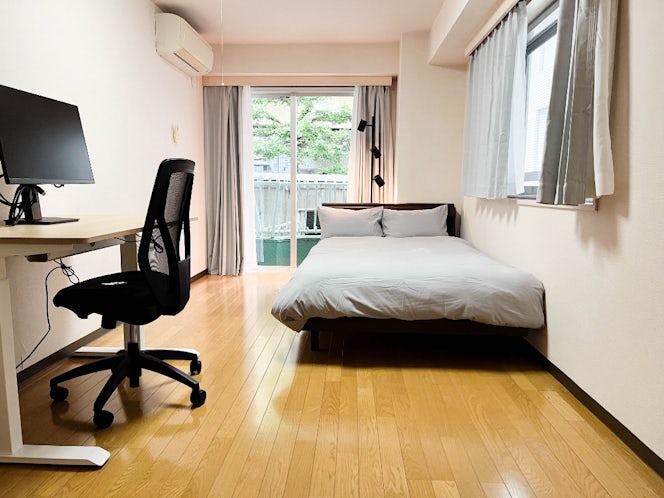
Access: 1 minute walk from Azabu-juban Station on Tokyo Metro Namboku Line
Equipment: Bath (shower), toilet, kitchen, bed, stove (including IH), air conditioner, washing machine (free of charge), refrigerator, desk (for work) included
Room Features: Standard furniture and appliances such as beds, washing machines, and refrigerators, of course. Some rooms are equipped with elevating desks, work chairs, and monitors! Recommended for remote work!
Security: All rooms are on the 2nd floor. There is a door that requires a key to enter the hallway where the rooms are located from the 2nd floor.
URL: https://unito.life/property/16186
unito Residence Kyoto Takasegawa
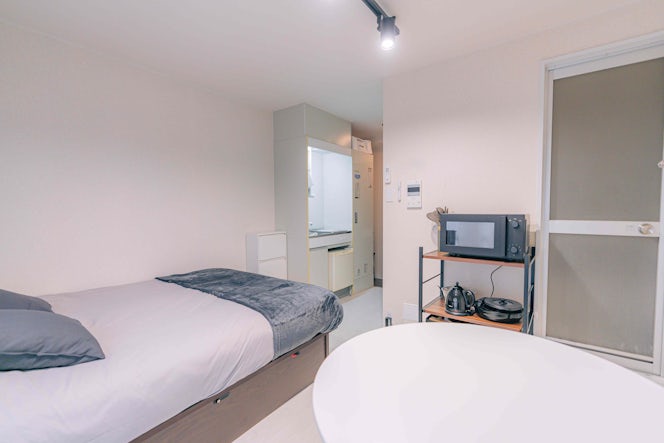
Access: 3 min. walk from Shimizu Gojo Sta. on the Keihan Main Line / 10 min. walk from Shichijo Sta. on the Keihan Main Line
Equipment: Bed, bath (shower) and toilet, kitchen, futon, kitchen utensils, stove (including IH), air conditioner, bathroom utensils (shampoo and body soap), washing machine (free), refrigerator included
There are many world-famous and famous temples and shrines, historic sites, important cultural assets, etc., including Kiyomizu-dera Temple, where you can enjoy taking a walk!
It is also very accessible to Osaka along the Keihan railway line, and it is possible to go to JR Kyoto Station and Shijo Kawaramachi on foot! Away from the downtown area, you can spend your time quietly at night♩ There are supermarkets, pharmacies, and coin laundromats in the neighborhood. Also, many convenience stores are very convenient!
You can also walk or ride a bicycle to Shijo-Kawaramachi, where there are many department stores, and you can get everything you need. Rooms 1, 2, and 3 face the Takase River, so you can enjoy the view!
URL: https://unito.life/property/13215
Sugusumu Otemachi by unito
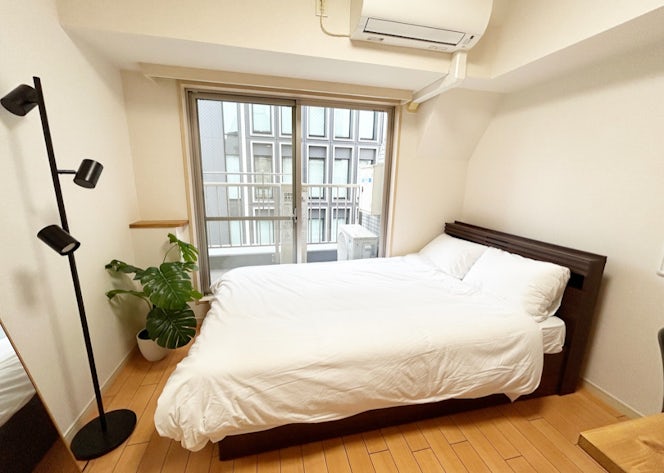
Access: 4 min. walk from Kanda Station on JR Yamanote Line / 5 min. walk from Otemachi Station on Tokyo Metro Marunouchi Line
Equipment: Bed, bath (shower) and toilet, kitchen, living room, stove (including IH), air conditioner, washing machine (free of charge), refrigerator, desk (for work) included
Not to mention standard furniture and appliances such as beds, washing machines, and refrigerators. All rooms have wood flooring, air conditioning, independent washstands, and other amenities to enrich your life. In addition, the apartments are equipped with auto-locks and delivery boxes, allowing you to live comfortably and safely even during your busy days. It is also recommended for remote working!
The building is conveniently located just a 4-minute walk from Kanda Station and a 6-minute walk from Otemachi Station. Although it is in a business district, you can relax in a quiet environment.
URL: https://unito.life/property/16202
Conclusion
Kyoto provides an enriching and unique experience for digital nomads, offering a perfect blend of tradition, culture, and modern conveniences. With its diverse workspaces, vibrant community, and the peaceful ambiance of an ancient city, Kyoto caters to those looking for an inspiring yet practical place to work remotely. From the welcoming locals to the easily accessible amenities, Kyoto is a destination that allows digital nomads to thrive while immersing themselves in the cultural heritage of Japan.
Summary of Benefits
Choosing Kyoto as a base for remote work brings numerous benefits. The city offers a slower pace compared to Tokyo, which many digital nomads find ideal for focusing on their work while enjoying a balanced lifestyle. Kyoto’s cost of living is often more affordable than other major Japanese cities, and its compact size makes it easy to explore on foot or by bicycle. Additionally, Kyoto’s rich history and beautiful landscapes provide endless opportunities for relaxation and inspiration during downtime.
The city’s welcoming digital nomad community and abundance of coworking spaces create a supportive environment for networking and socializing. Whether it’s engaging in cultural activities or enjoying the local cuisine, Kyoto provides a diverse range of experiences that allow digital nomads to connect with others and feel at home.
Final Tips for Digital Nomads
For digital nomads planning a stay in Kyoto, there are a few key tips to ensure a smooth transition and enjoyable experience:
- Embrace Local Customs: Understanding and respecting Japanese cultural etiquette will help you integrate smoothly. Simple gestures like bowing, queueing patiently, and following local dining manners go a long way in showing respect and connecting with the community.
- Plan for Reliable Connectivity: If reliable internet is essential for your work, consider arranging a stable home Wi-Fi setup or renting a pocket Wi-Fi device. Many coworking spaces and cafes also offer high-speed internet, making it easy to stay connected throughout the city.
- Explore Local Neighborhoods: Kyoto’s neighborhoods each have their unique charm, and exploring these areas can help you find a workspace or residence that aligns with your lifestyle. From the historical Gion district to the lively Kawaramachi area, Kyoto has a neighborhood for every preference.
By preparing ahead and immersing yourself in Kyoto’s local culture, digital nomads can make the most of their stay and enjoy a fulfilling experience.
Leveraging Unito for a Smooth Transition
Unito is a valuable resource for digital nomads seeking accommodation in Kyoto. With its range of furnished apartments and flexible rental options, Unito simplifies the process of finding comfortable and convenient housing. For those unfamiliar with Japan’s rental market, Unito’s platform streamlines the search and provides support tailored to foreigners. Their properties come equipped with amenities designed to meet the needs of remote workers, ensuring a smooth transition into Kyoto’s lifestyle.
Unito also eliminates many of the challenges associated with traditional leasing in Japan, such as key money and guarantor requirements, making it easier for digital nomads to settle into their new environment without stress. By utilizing Unito, digital nomads can quickly secure housing that meets their needs and start enjoying the vibrant and enriching experience that Kyoto has to offer.