
Introduction
Japan has become an increasingly popular destination for digital nomads worldwide, with its unique blend of rich culture, advanced technology, and high quality of life. For Canadians interested in a flexible lifestyle that allows them to work remotely while exploring a different culture, understanding Japan’s digital nomad visa options is essential. In recent years, several countries have implemented digital nomad visas to cater to the growing community of remote workers, and Japan is no exception. This article provides a comprehensive guide to the requirements and steps Canadians need to take to obtain a digital nomad visa in Japan.
Overview of the Digital Nomad Visa
A digital nomad visa is a special visa designed for individuals who wish to live and work remotely in a foreign country. Unlike traditional work visas, which often require a local employer, digital nomad visas are typically geared toward self-employed individuals, freelancers, or remote employees who are financially independent of the local economy. Japan’s digital nomad visa may be a bit different from those offered by other countries, as it requires specific qualifications and compliance with Japanese immigration policies.
In Japan, digital nomad visas are typically categorized under broader visa options that allow individuals to stay in the country while working remotely. However, as Japan’s policies evolve, understanding the most recent eligibility criteria and required documents is critical for Canadian nomads who want to stay long-term in Japan.
Significance for Canadian Nomads
For Canadians, obtaining a digital nomad visa for Japan opens doors to one of the world’s most fascinating cultures. Japan’s unique mix of ancient traditions and cutting-edge innovation provides a stimulating environment for remote workers. Canadian digital nomads can take advantage of Japan’s safe cities, efficient public transport, and high-speed internet infrastructure. Moreover, Japan’s proximity to other Asian countries makes it an ideal base for Canadians who want to explore the wider region while working remotely.
The digital nomad visa is especially relevant for Canadians who seek an extended stay in Japan, as it offers the opportunity to legally reside in the country without the constraints of a tourist visa. It allows Canadians to immerse themselves in Japan's lifestyle, network with local professionals, and truly experience what it’s like to live in Japan as a temporary resident.
Eligibility Requirements
Before applying for the Japan digital nomad visa, Canadians must meet specific eligibility requirements. These criteria ensure that applicants are genuinely interested in working remotely from Japan and have the means to support themselves during their stay. Below are the primary eligibility factors that Canadian applicants must consider.
Age and Nationality Criteria
Japan’s digital nomad visa typically requires applicants to be of legal adult age, which is 18 years or older. There are no upper age restrictions, making the visa accessible to individuals at various stages of their professional careers. However, applicants must be Canadian citizens or hold permanent residency in Canada to apply under the specific guidelines for Canadian nationals. Proof of nationality, such as a Canadian passport, is required as part of the application process.
Japan’s approach to nationality criteria ensures that applicants from diverse professional backgrounds and age groups have the opportunity to experience life as a digital nomad in Japan. This inclusiveness makes it appealing for Canadian citizens looking for a temporary yet fulfilling experience in Japan.
Financial Requirements
To qualify for Japan’s digital nomad visa, Canadian applicants must demonstrate financial stability. This requirement is in place to ensure that applicants can sustain themselves independently while living in Japan. Applicants typically need to provide evidence of a stable income, such as recent bank statements, proof of regular income from remote work, or a letter from an employer verifying the applicant’s ability to work remotely.
The financial threshold may vary depending on Japan’s economic policies and cost of living standards. Generally, applicants should have a sufficient monthly income to cover living expenses, including accommodation, food, transportation, and other necessities. Meeting the financial requirements helps Japanese immigration officials determine that applicants will not need to rely on Japan’s public welfare systems during their stay.
Documentation Needed
Applying for a digital nomad visa in Japan requires a range of documentation to verify the applicant's qualifications. These documents generally include:
- Passport: A valid Canadian passport with an expiration date of at least six months beyond the intended stay in Japan.
- Proof of Employment or Freelance Work: Documentation from a current employer or proof of self-employment is necessary to show that the applicant has a remote job or stable freelance income. For freelancers, providing client contracts or invoices can help demonstrate financial security.
- Bank Statements: Recent bank statements showing sufficient funds to support oneself during the intended stay. Most applications require proof of funds for at least three months prior to applying.
- Medical Insurance: Proof of health insurance that covers medical expenses in Japan, as healthcare coverage is not included with the digital nomad visa.
- Proof of Accommodation: Confirmation of a place to stay during the initial period in Japan, whether it is a rental agreement or hotel reservation.
Compiling all required documents in advance can help streamline the application process and reduce the likelihood of delays or issues.
Application Process
Applying for Japan’s digital nomad visa involves several steps that require careful planning and preparation. Understanding the full process can help applicants avoid delays and increase their chances of a successful application. From gathering necessary documents to preparing for interviews, Canadian digital nomads can follow this guide to ensure a smooth application experience.
Step-By-Step Guide
- Gather Necessary Documents: The first step is to compile all required documents, including proof of Canadian citizenship, bank statements, evidence of remote work or freelance income, health insurance, and any other supporting documents. Having these documents prepared before applying can save time and prevent potential setbacks.
- Complete the Visa Application Form: Applicants must fill out Japan’s digital nomad visa application form, which is typically available through Japanese consulates or embassies. The form requires detailed information about the applicant’s identity, employment status, and purpose of visit.
- Submit the Application: Once the form is completed and all documents are gathered, applicants can submit their application either online, by mail, or in person, depending on the requirements of the nearest Japanese consulate or embassy.
- Attend an Interview: In some cases, applicants may be required to attend an interview with Japanese immigration officials. This interview serves as a way for officials to verify the applicant’s intentions and assess their suitability for the digital nomad visa.
- Wait for Approval: After the interview, applicants must wait for their visa application to be processed. Approval times may vary, but staying in contact with the consulate or embassy can help applicants remain informed about their application status.
- Receive the Visa and Finalize Travel Plans: Upon approval, the digital nomad visa will be issued, allowing applicants to begin planning their trip to Japan. They should review the visa’s terms and conditions to ensure compliance during their stay.
Common Mistakes to Avoid
Applying for a visa can be complex, and certain mistakes may delay or even jeopardize an application. Common mistakes to avoid include:
- Incomplete Documentation: Missing documents can lead to delays or rejections. It is essential to double-check all required documents before submitting the application.
- Incorrect Information: Any discrepancies or errors in the application form can lead to complications. Applicants should carefully review their information to ensure accuracy.
- Lack of Proof of Income: Without sufficient evidence of financial stability, an application may be denied. Ensuring consistent proof of income is critical.
- Applying Too Late: Starting the application process too close to the intended travel date can lead to stressful situations if there are delays. It’s best to apply well in advance.
- Unprepared for the Interview: Not preparing for the interview can reduce the applicant’s chances of approval. Practicing common interview questions and knowing how to explain their intentions clearly can be beneficial.
Processing Times
The processing time for a digital nomad visa in Japan can vary depending on factors such as the applicant’s background and the volume of applications. On average, processing can take anywhere from a few weeks to several months. It’s advised that Canadians planning to apply should allow ample time for their application to be reviewed. The exact processing period may differ by consulate or embassy, so applicants should check with their local office for specific timeframes.
In addition, applicants can often check the status of their application by contacting the consulate or embassy where they submitted it. This proactive approach helps applicants stay updated and make necessary adjustments to their travel plans based on processing times.
Interview Preparation Tips
If an interview is part of the application process, being well-prepared can significantly improve an applicant’s chances. Here are a few tips to keep in mind:
- Understand Your Purpose: Be prepared to clearly explain why you want to work remotely in Japan and how you plan to support yourself financially.
- Bring Supporting Documents: Although documents may already be submitted, bringing copies of essential documents to the interview can be helpful in case any questions arise.
- Practice Professionalism: Presenting oneself professionally and answering questions honestly can leave a positive impression on immigration officials.
- Prepare for Specific Questions: Common questions may include inquiries about the nature of your work, expected duration of stay, and plans for accommodation in Japan. Practicing responses to these types of questions can increase confidence.
- Show Cultural Awareness: Demonstrating respect and interest in Japanese culture can reflect positively on an applicant’s genuine interest in the country.
Resources for Assistance
Navigating the digital nomad visa application process can be challenging, but there are resources available to help Canadian applicants. Many Japanese consulates and embassies provide guidance on their websites, offering valuable information about the application steps and required documentation. Additionally, online forums and communities for digital nomads often share insights and personal experiences that can be beneficial.
Professional visa services are also available for those who prefer a more guided approach. These services can assist with the application process, ensuring that all documentation is in order and providing support for any specific questions. For Canadians new to the application process, these resources can serve as a valuable support system in navigating the complexities of obtaining a digital nomad visa for Japan.
Living in Japan as a Digital Nomad
Living in Japan as a digital nomad offers a unique experience that combines modern technology with ancient traditions. For remote workers, Japan presents an environment that is both inspiring and challenging, with opportunities for personal and professional growth. From navigating cultural differences to building a balanced lifestyle, Canadian digital nomads in Japan will encounter numerous facets of Japanese life that can enrich their journey.
Cultural Adjustments
Adjusting to Japanese culture can be one of the most enriching yet challenging aspects of living in Japan as a digital nomad. Japanese society places a strong emphasis on respect, harmony, and community, values that are deeply ingrained in everyday interactions. For newcomers, understanding these cultural norms can make a significant difference in how they are perceived and accepted in society.
For example, punctuality is highly valued in Japan, and being late is generally considered disrespectful. Similarly, politeness is woven into daily conversations, where phrases like "sumimasen" (excuse me) and "arigatou gozaimasu" (thank you very much) are commonly used to express respect and gratitude. In social situations, awareness of body language, such as bowing when greeting others, is also essential for demonstrating respect.
Additionally, understanding the importance of “wa,” or harmony, is crucial. In Japan, people often avoid direct confrontation, opting instead for indirect communication to maintain peace in both professional and social settings. For digital nomads, learning and adapting to these cultural nuances can create smoother interactions and foster positive relationships with locals.
Networking Opportunities
Japan provides digital nomads with a variety of networking opportunities, particularly in major cities like Tokyo, Osaka, and Kyoto. These cities are hubs for international business, technology, and innovation, making them ideal locations for remote workers to connect with other professionals. Japan’s strong startup ecosystem and supportive coworking spaces allow digital nomads to join meetups, workshops, and networking events that bring together like-minded individuals.
Numerous coworking spaces, such as WeWork and Impact Hub, offer more than just workspaces; they foster a sense of community and often host networking events where digital nomads can meet local entrepreneurs and other remote workers. These gatherings provide an excellent platform for exchanging ideas, building partnerships, and finding potential clients or collaborators.
In addition to coworking spaces, Japan has a growing number of online communities and social groups focused on remote work and digital entrepreneurship. Platforms like Meetup, Facebook groups, and LinkedIn communities can help digital nomads find events and join discussions with other professionals in their field. For Canadians looking to expand their professional network and explore opportunities in Japan, taking advantage of these resources is invaluable.
Work-Life Balance
Maintaining a healthy work-life balance in Japan can be challenging, especially for digital nomads who work remotely and manage their own schedules. Japan is known for its high work ethic, and locals often work long hours, which can sometimes influence digital nomads to adopt similar habits. However, it is essential for remote workers to establish boundaries to avoid burnout and ensure a sustainable lifestyle.
One way to achieve work-life balance is by setting clear work hours and taking advantage of Japan’s many leisure activities to unwind. Japan offers a variety of recreational options, from exploring its natural hot springs and scenic parks to visiting historic temples and bustling shopping districts. Digital nomads can take breaks to explore Japan’s cultural and natural attractions, using them as a way to recharge and find inspiration.
Additionally, Japan’s public transportation system is highly efficient, allowing digital nomads to commute quickly and explore the country during weekends or holidays. Taking time off to travel within Japan can provide a refreshing break from work, helping digital nomads maintain a balance between their professional and personal lives.
For those looking to integrate physical wellness into their routine, many cities in Japan offer easy access to gyms, yoga studios, and outdoor parks. Regular exercise and leisure activities can contribute significantly to a well-rounded lifestyle, ensuring that digital nomads enjoy both productivity and relaxation during their time in Japan.
Finding Accommodation in Japan
Finding suitable accommodation in Japan is a crucial step for digital nomads planning an extended stay. Japan offers various housing options, from short-term rentals to long-term leases, with options that suit different budgets and lifestyles. For digital nomads, securing accommodation in a location that supports remote work, provides community opportunities, and aligns with individual preferences is essential. This guide covers popular areas for digital nomads, a recommended platform for housing options, practical renting tips, and an overview of local rental laws to ensure a smooth transition to life in Japan.
Popular Areas for Digital Nomads
Certain areas in Japan are particularly popular among digital nomads due to their accessibility, coworking spaces, and vibrant cultural scenes. Tokyo remains a top choice, especially in neighborhoods like Shibuya, Shinjuku, and Roppongi, where a blend of modern conveniences and international amenities make it easy for digital nomads to settle in. These areas have excellent connectivity, allowing easy access to other parts of Tokyo and beyond, and offer a variety of coworking spaces where remote workers can meet others and collaborate.
For those seeking a slightly more relaxed pace, Osaka is another excellent option. Known for its friendly locals and lively culture, Osaka’s districts like Umeda and Namba provide an ideal balance of work and leisure. Osaka also offers affordable housing compared to Tokyo, making it appealing to budget-conscious digital nomads.
Kyoto, with its historic charm and tranquil environment, attracts digital nomads who prefer a quieter lifestyle. Areas like Gion and Arashiyama allow for a more traditional Japanese experience, while still offering necessary amenities for remote work. Other regions, such as Fukuoka and Sapporo, are emerging as popular destinations due to their laid-back atmosphere, lower cost of living, and growing digital nomad communities.
Using Unito for Housing Options
Finding the right accommodation in Japan can be simplified with the help of platforms like Unito. Unito specializes in providing housing options tailored to foreigners, particularly digital nomads, and expats, making it a convenient choice for those unfamiliar with the Japanese rental market. Through Unito, users can explore a variety of properties across major cities like Tokyo, Osaka, and Fukuoka, with options that range from studio apartments to larger shared accommodations.
Unito’s platform is designed to address the common challenges that digital nomads face, such as language barriers and short-term rental availability. The platform often includes furnished options, flexible leasing terms, and transparent pricing, making it easier for digital nomads to find accommodation that fits their needs without long-term commitments. Additionally, Unito offers detailed descriptions and photos of each property, allowing users to make informed decisions before arrival in Japan.
Tips for Renting in Japan
Renting in Japan can be quite different from other countries, especially regarding processes, fees, and expectations. Here are a few tips to help digital nomads navigate the Japanese rental market effectively:
- Prepare for Initial Costs: Renting in Japan typically involves various upfront costs, including a security deposit, key money (a one-time, non-refundable gratuity fee), and agency fees. These costs can add up, so budgeting in advance is essential.
- Consider Furnished Apartments: While many traditional rentals in Japan are unfurnished, digital nomads can save time and money by opting for furnished apartments, especially if they plan to stay short-term. Unito and other foreigner-friendly platforms often list furnished options, which simplify the move-in process.
- Learn Basic Japanese Phrases: Although some landlords and agents may speak English, knowing basic Japanese phrases can help in communication and negotiations. It also demonstrates respect and willingness to adapt to local customs.
- Check for Remote Work Essentials: Reliable internet is crucial for remote work, so digital nomads should ensure that their chosen accommodation offers high-speed internet or that installation is straightforward. Some accommodations may also offer coworking spaces or common areas that can be beneficial.
- Clarify Lease Terms: Lease terms in Japan can vary significantly depending on the property and landlord. Digital nomads should confirm whether their lease allows for short-term stays or if there are penalties for early termination.
Understanding Local Rental Laws
Understanding Japan’s rental laws can help digital nomads avoid common pitfalls and ensure a secure rental experience. Rental agreements in Japan are legally binding, and both tenants and landlords have specific rights and obligations under Japanese law.
Landlords in Japan generally expect tenants to respect noise levels and maintain cleanliness. Tenants are responsible for any damage beyond normal wear and tear, which can impact the return of the security deposit. Lease agreements also outline specific rules regarding rent payments and renewal conditions, and tenants should be aware of penalties for late payments.
When moving out, it is customary to provide notice at least one month in advance, although the required period may vary by lease. Additionally, certain properties may have restrictions on modifications, such as painting or drilling holes in the walls, so it’s best to confirm with the landlord or property manager beforehand.
Japanese rental laws are generally protective of tenants’ rights, but for digital nomads unfamiliar with the language or legal landscape, consulting a real estate agent or using a trusted rental platform like Unito can provide extra security and support throughout the rental process.
Cost of Living
The cost of living in Japan is a crucial consideration for digital nomads planning an extended stay. Japan’s vibrant cities, high-quality infrastructure, and exceptional public services make it an attractive destination, but expenses can vary significantly depending on location and lifestyle. For digital nomads, understanding typical expenses and effective budgeting strategies can make Japan’s cost of living manageable while ensuring a rewarding experience.
Average Expenses for Nomads
The cost of living in Japan can fluctuate based on city size, lifestyle choices, and accommodation preferences. For digital nomads, Tokyo, as Japan’s capital, generally has the highest cost of living, while cities like Osaka, Kyoto, and Fukuoka are slightly more affordable.
- Accommodation: Monthly rent varies widely, with an average of ¥80,000 to ¥150,000 (approximately $600–$1,200 USD) for a one-bedroom apartment in Tokyo’s central areas. Smaller cities and shared housing options can reduce rent to around ¥50,000–¥80,000 ($400–$600 USD) per month.
- Food: Japan offers a broad range of dining options, from affordable ramen shops to high-end sushi restaurants. On average, digital nomads might spend ¥30,000–¥50,000 ($200–$400 USD) per month on food, including a mix of dining out and groceries. Those cooking at home can reduce expenses by purchasing fresh produce and staples from local markets.
- Transportation: Japan’s public transportation system is efficient and reliable, with costs around ¥10,000–¥20,000 ($80–$160 USD) per month, depending on distance traveled. Tokyo offers monthly commuter passes, which are ideal for digital nomads frequently commuting to coworking spaces or other areas.
- Utilities and Internet: Utility bills, including electricity, water, and gas, typically add up to around ¥10,000–¥15,000 ($80–$120 USD) per month for a one-bedroom apartment. High-speed internet, essential for remote work, costs around ¥3,000–¥5,000 ($25–$40 USD) monthly.
- Leisure and Entertainment: Japan has an array of recreational activities, with monthly expenses for entertainment averaging around ¥10,000–¥20,000 ($80–$160 USD), including sightseeing, social activities, and dining out occasionally.
In total, a digital nomad can expect to spend between ¥150,000–¥250,000 ($1,200–$2,000 USD) per month, depending on their lifestyle and city choice. Planning for these core expenses allows digital nomads to balance work and leisure while enjoying life in Japan.
Budgeting Tips
Effective budgeting is key to making the most of the digital nomad experience in Japan without overspending. Here are a few tips to help manage expenses:
- Choose Accommodation Wisely: Opting for housing outside central areas or using shared accommodations can reduce rent significantly. Platforms like Unito offer flexible housing options tailored to nomads, helping to find budget-friendly apartments.
- Cook at Home: Although Japan’s food scene is tempting, regularly dining out can be costly. Cooking meals at home allows digital nomads to enjoy Japanese ingredients affordably and maintain a healthier diet. Shopping at local markets and using seasonal ingredients can further reduce grocery costs.
- Use Transportation Passes: For those frequently using public transport, monthly commuter passes are highly cost-effective. Digital nomads can also look into regional passes if they plan on exploring multiple cities during their stay.
- Explore Free and Affordable Activities: Japan offers numerous low-cost or free experiences, from visiting temples and parks to attending festivals. Digital nomads can enjoy Japanese culture without spending excessively on entertainment.
- Track Monthly Expenses: Monitoring spending can help identify areas for potential savings. Using budgeting apps or tracking tools can provide insights into spending habits, allowing digital nomads to adjust their budgets as needed.
These budgeting strategies ensure that digital nomads can enjoy the unique experiences Japan offers while staying financially secure.
Comparison with Other Countries
Compared to other popular digital nomad destinations, Japan’s cost of living falls between higher-cost cities in Europe or North America and more affordable locations in Southeast Asia. Japan’s quality of life, however, makes it a value-for-money destination with well-developed infrastructure, reliable services, and rich cultural experiences.
For instance, in Europe, digital nomads in cities like London or Paris might spend upwards of $3,000 USD monthly, particularly on accommodation and dining out. Tokyo, in contrast, offers a lower cost of living for similar amenities, often totaling between $1,500–$2,000 USD. Meanwhile, Southeast Asian destinations like Thailand or Vietnam can be more affordable than Japan, with monthly expenses averaging $800–$1,200 USD. However, Japan’s advanced infrastructure, safety, and lifestyle make it a unique choice despite the slightly higher cost.
Digital nomads seeking a safe, structured environment with opportunities for professional networking and cultural immersion may find Japan an ideal, albeit moderately priced, destination. Its position between Southeast Asia and Western countries offers both affordability and high living standards, making Japan a balanced choice for those looking to work remotely while experiencing one of the world’s most fascinating cultures.
Maintaining a Work-Life Balance
For digital nomads living in Japan, maintaining a healthy work-life balance can be essential to achieving both professional success and personal fulfillment. As Japan’s culture is known for its dedication to work and efficiency, digital nomads might feel inclined to overwork or struggle to set boundaries. However, a well-balanced lifestyle can enhance productivity, prevent burnout, and make life in Japan more enjoyable. Here’s a guide on how digital nomads can create and sustain a balanced approach to work and life.
Setting Boundaries
Setting clear boundaries is one of the most effective ways to ensure a balanced lifestyle while working remotely in Japan. Digital nomads often find it challenging to separate work from personal time, especially when working from home or in a new environment where they may feel pressured to stay connected. Creating specific work hours and sticking to them can help digital nomads maintain a routine and prevent work from spilling into personal time.
Designating a dedicated workspace, whether at home or in a coworking space, can help reinforce these boundaries. By physically separating work from leisure areas, digital nomads can shift their mindset when moving between spaces, promoting a clearer distinction between work and relaxation. Additionally, setting boundaries on communication, such as only responding to work messages during designated hours, can help maintain focus during work time and allow for uninterrupted personal time.
Finally, establishing clear boundaries with clients or employers regarding availability can prevent work from encroaching on personal life. By defining expectations for response times and workload, digital nomads can create a healthy work routine that supports long-term productivity.
Managing Time Zones
Managing time zones is a unique challenge for digital nomads in Japan, especially for those working with clients or teams in different parts of the world. Japan’s time zone (JST) is ahead of North American and European regions, which can lead to late-night or early-morning meetings. To avoid the stress of irregular hours, digital nomads should proactively communicate with colleagues and set up a schedule that accommodates both parties’ time zones whenever possible.
One strategy is to establish a fixed block of working hours that aligns with overlapping time zones. For instance, digital nomads might choose to work in the afternoon or evening to accommodate North American time zones. Another option is to use tools like Google Calendar to coordinate meeting times across time zones, ensuring that both parties are clear on scheduling.
Setting realistic expectations with clients or team members is also essential. Digital nomads can explain their availability and work hours to reduce the likelihood of requests or meetings outside of those hours. With careful planning, digital nomads can create a time management strategy that respects both their working hours and the needs of clients or colleagues in different regions.
Social Activities and Community
Engaging in social activities and becoming part of a community is vital for digital nomads to establish a balanced life in Japan. Since Japan has a strong sense of community and a variety of cultural experiences, digital nomads have ample opportunities to connect with locals and other expatriates. Social interactions and leisure activities offer a break from work, allowing digital nomads to recharge and foster friendships.
Digital nomads can explore numerous activities, from joining local language exchange groups to participating in traditional Japanese arts like tea ceremonies or calligraphy. Many cities in Japan also host digital nomad and expat communities, where remote workers can meet others with similar lifestyles. These gatherings, which might be organized through coworking spaces or social media groups, provide a valuable chance to build friendships, exchange ideas, and form support networks.
Taking time to enjoy Japan’s natural and cultural attractions, such as visiting temples, hiking scenic trails, or attending festivals, can enrich the digital nomad experience and prevent work from becoming all-consuming. Balancing work commitments with social interactions and cultural exploration helps digital nomads feel more connected to their surroundings and promotes a sense of fulfillment during their time in Japan.
Apartments for Rent in Japan
Sugusumu Azabujuban by unito
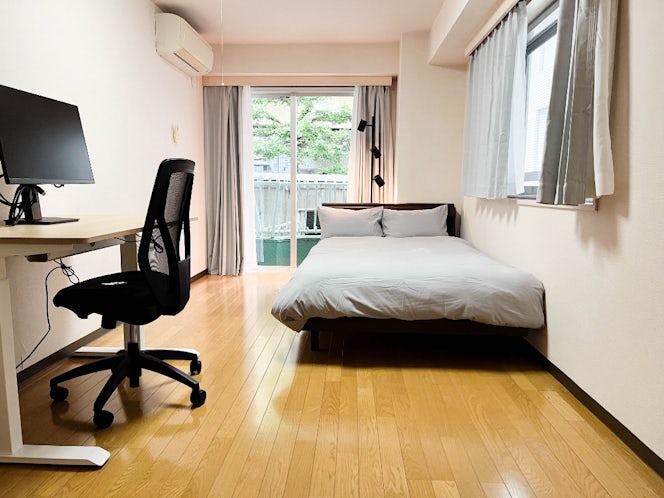
Access: 1 minute walk from Azabu-juban Station on Tokyo Metro Namboku Line
Equipment: Bath (shower), toilet, kitchen, bed, stove (including IH), air conditioner, washing machine (free of charge), refrigerator, desk (for work) included
Room Features: Standard furniture and appliances such as beds, washing machines, and refrigerators, of course. Some rooms are equipped with elevating desks, work chairs, and monitors! Recommended for remote work!
Security: All rooms are on the 2nd floor. There is a door that requires a key to enter the hallway where the rooms are located from the 2nd floor.
URL: https://unito.life/property/16186
unito Residence Kyoto Takasegawa
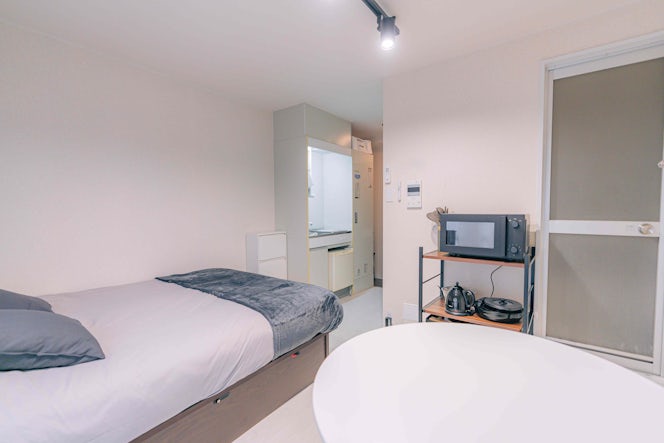
Access: 3 min. walk from Shimizu Gojo Sta. on the Keihan Main Line / 10 min. walk from Shichijo Sta. on the Keihan Main Line
Equipment: Bed, bath (shower) and toilet, kitchen, futon, kitchen utensils, stove (including IH), air conditioner, bathroom utensils (shampoo and body soap), washing machine (free), refrigerator included
There are many world-famous and famous temples and shrines, historic sites, important cultural assets, etc., including Kiyomizu-dera Temple, where you can enjoy taking a walk!
It is also very accessible to Osaka along the Keihan railway line, and it is possible to go to JR Kyoto Station and Shijo Kawaramachi on foot! Away from the downtown area, you can spend your time quietly at night♩ There are supermarkets, pharmacies, and coin laundromats in the neighborhood. Also, many convenience stores are very convenient!
You can also walk or ride a bicycle to Shijo-Kawaramachi, where there are many department stores, and you can get everything you need. Rooms 1, 2, and 3 face the Takase River, so you can enjoy the view!
URL: https://unito.life/property/13215
Sugusumu Otemachi by unito
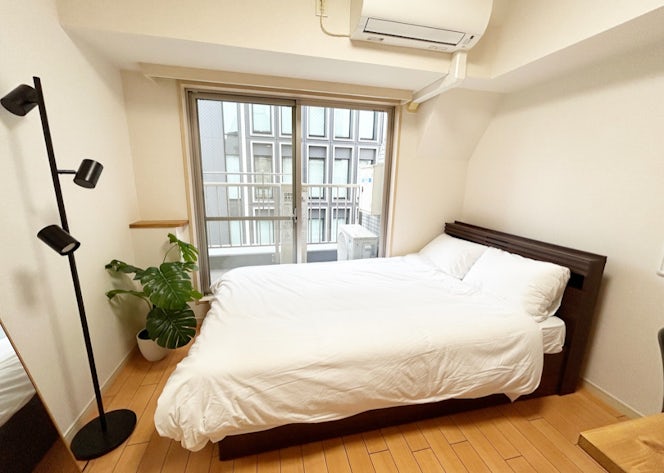
Access: 4 min. walk from Kanda Station on JR Yamanote Line / 5 min. walk from Otemachi Station on Tokyo Metro Marunouchi Line
Equipment: Bed, bath (shower) and toilet, kitchen, living room, stove (including IH), air conditioner, washing machine (free of charge), refrigerator, desk (for work) included
Not to mention standard furniture and appliances such as beds, washing machines, and refrigerators. All rooms have wood flooring, air conditioning, independent washstands, and other amenities to enrich your life. In addition, the apartments are equipped with auto-locks and delivery boxes, allowing you to live comfortably and safely even during your busy days. It is also recommended for remote working!
The building is conveniently located just a 4-minute walk from Kanda Station and a 6-minute walk from Otemachi Station. Although it is in a business district, you can relax in a quiet environment.
URL: https://unito.life/property/16202
Conclusion
Navigating the digital nomad lifestyle in Japan can be a fulfilling experience, blending the excitement of remote work with the unique cultural and professional opportunities that Japan offers. From managing living expenses and adapting to cultural norms to establishing a work-life balance and forming meaningful connections, digital nomads in Japan have much to gain by immersing themselves in this rich and dynamic environment. This conclusion provides a recap of key points discussed throughout this guide, along with some final reflections on the rewarding journey of being a digital nomad in Japan.
Summary of Key Points
Living in Japan as a digital nomad requires a solid understanding of various aspects, from visa application processes to daily living expenses. Key highlights include:
- Navigating Visa Requirements: For Canadians and other international digital nomads, understanding eligibility criteria, required documents, and the application process is essential for a smooth transition to Japan.
- Finding Accommodation: Platforms like Unito offer accessible housing options, with popular areas such as Tokyo, Osaka, and Fukuoka catering to various budget and lifestyle preferences.
- Managing Cost of Living: Japan’s cost of living varies by region, with Tokyo generally being the most expensive. Digital nomads can use budgeting strategies to maintain affordability while enjoying Japan’s high quality of life.
- Maintaining Work-Life Balance: Setting boundaries, managing time zones, and engaging in local social activities help digital nomads create a balanced lifestyle, allowing them to stay productive while exploring Japan’s cultural richness.
- Building Connections and Community: Japan’s coworking spaces, language exchange groups, and digital nomad communities offer ample opportunities for networking, collaboration, and friendships.
These points emphasize the need for planning, flexibility, and a willingness to embrace Japan’s unique work culture and lifestyle practices to thrive as a digital nomad in the country.
Final Thoughts on the Digital Nomad Lifestyle in Japan
The digital nomad lifestyle in Japan offers a rare chance to experience a mix of traditional and modern elements in one of the world’s most technologically advanced and culturally profound countries. For digital nomads, Japan is more than just a place to work remotely—it’s an immersive journey that combines professional growth with personal enrichment.
Embracing the lifestyle fully means taking the time to learn Japan’s customs, understand the language to some degree, and actively participate in community events. This approach not only enhances the digital nomad experience but also fosters connections that can lead to lifelong friendships and memorable experiences. While the cost of living and cultural adjustments may initially seem challenging, Japan’s high standard of living, safety, and vibrant social scene make it an incredibly rewarding destination for remote workers.
Ultimately, Japan provides an inspiring backdrop for digital nomads seeking a balanced, fulfilling lifestyle that aligns with their career goals and personal aspirations. For those ready to take on the adventure, Japan’s unique blend of tradition and innovation awaits, promising an unforgettable chapter in their journey as a global digital nomad.