
Introduction
The digital nomad lifestyle has gained popularity in recent years, offering a unique blend of work and travel opportunities. Many individuals are now able to work remotely, allowing them to explore the world while maintaining their careers. Asia has emerged as a top destination for digital nomads, offering diverse cultures, affordable living options, and a supportive community of like-minded travelers. This article will explore the benefits of being a digital nomad in Asia and highlight some of the best destinations for those interested in this lifestyle.
Overview of Digital Nomad Lifestyle
The digital nomad lifestyle involves working remotely from various locations rather than being tied to a traditional office environment. Digital nomads leverage technology to perform their jobs from anywhere with an internet connection, enabling them to travel and work simultaneously. This lifestyle appeals to those seeking flexibility, adventure, and new cultural experiences, as it allows individuals to shape their days according to personal preferences and schedules. Many digital nomads work in fields like software development, content creation, marketing, and freelance consulting, using laptops and mobile devices to complete their tasks.
Benefits of Being a Digital Nomad in Asia
Asia offers several benefits for digital nomads, making it an attractive destination for remote workers. The cost of living in many Asian countries is relatively low compared to Western countries, allowing nomads to enjoy a comfortable lifestyle on a modest budget. Additionally, Asia boasts a wide range of climates, landscapes, and cultural experiences, from tropical beaches to bustling urban centers. The region also has a well-established infrastructure, with many cities offering reliable internet connectivity, co-working spaces, and affordable accommodation. Furthermore, Asia's vibrant digital nomad community provides ample networking and socializing opportunities, enabling remote workers to connect and share their experiences.
Top Destinations for Digital Nomads in Asia
Asia is home to numerous cities and locations that cater to digital nomads, each offering unique advantages and attractions. Here are three of the top destinations for digital nomads seeking to explore Asia while working remotely.
Bali, Indonesia
Bali has become a digital nomad hotspot, known for its beautiful landscapes, relaxed lifestyle, and welcoming community. The island offers a mix of scenic beaches, lush jungles, and cultural landmarks, making it an ideal location for work-life balance. Ubud and Canggu are particularly popular among digital nomads, with numerous co-working spaces, cafes, and networking events available. The cost of living is relatively low, allowing nomads to enjoy comfortable accommodations, diverse food options, and various recreational activities without breaking the bank. Bali also has a thriving wellness scene, with yoga studios, meditation retreats, and health-focused cafes widely available.
Chiang Mai, Thailand
Chiang Mai has long been recognized as one of the best destinations for digital nomads in Asia. Located in northern Thailand, this city offers a combination of low living costs, a vibrant expat community, and a relaxed pace of life. Chiang Mai is known for its historical temples, lush mountains, and warm hospitality, making it an inviting place for long-term stays. The city has a range of co-working spaces and affordable cafes, providing digital nomads with plenty of workspaces. Additionally, Chiang Mai hosts several networking events and meetups, fostering connections within the digital nomad community. The affordable lifestyle allows nomads to enjoy a high quality of life while experiencing Thai culture and cuisine.
Tokyo, Japan
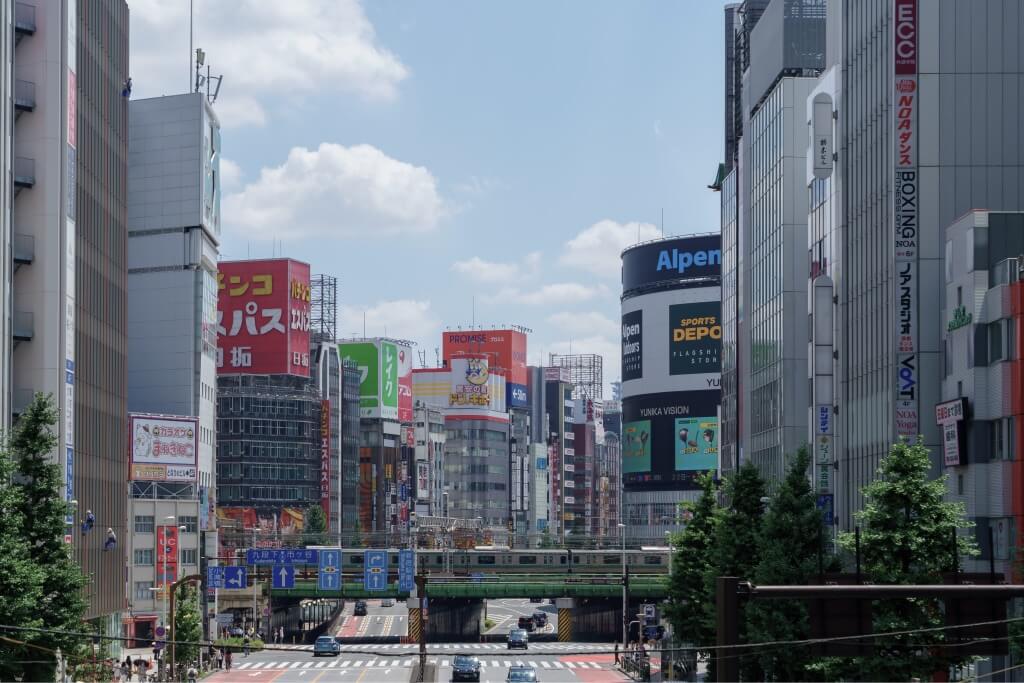
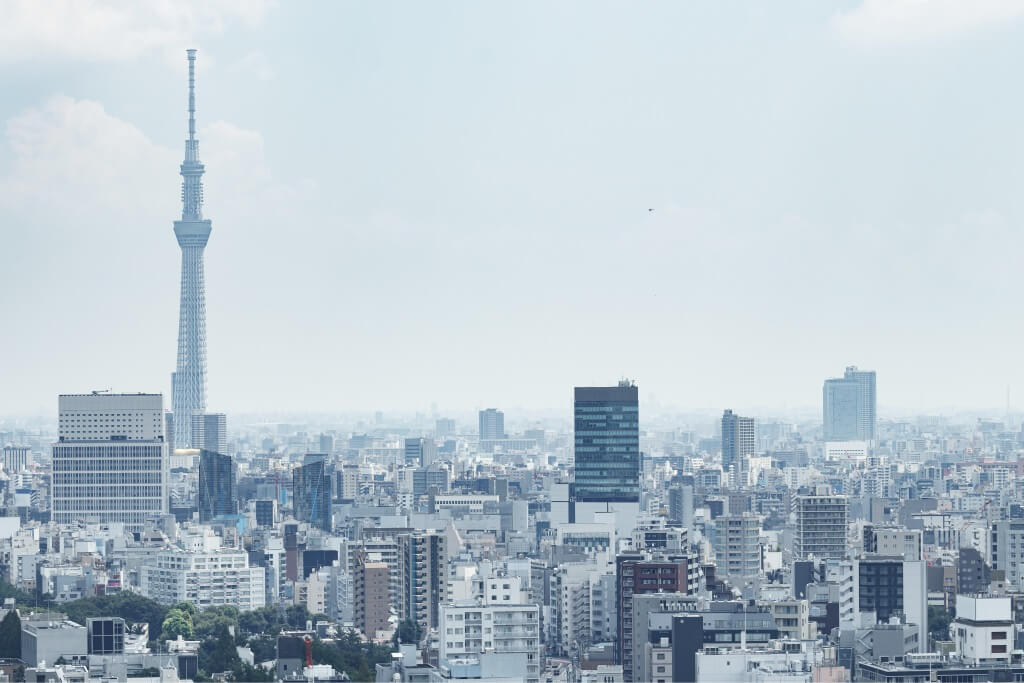
Tokyo may be a surprising choice for digital nomads due to its higher cost of living, but it offers numerous advantages for those seeking an exciting and culturally rich environment. As one of the world’s most advanced cities, Tokyo boasts fast internet, excellent public transportation, and a wealth of modern amenities. The city’s mix of traditional culture and cutting-edge technology provides digital nomads with a unique experience. Tokyo also offers a variety of co-working spaces and cafes where nomads can work, as well as ample opportunities to explore Japan’s food, art, and entertainment scenes. For digital nomads who prioritize a high-energy city atmosphere and access to diverse experiences, Tokyo is an attractive destination.
Cost of Living in Popular Asian Cities
For digital nomads, understanding the cost of living in various Asian cities is essential to planning a sustainable and enjoyable experience. Asia is known for its wide range of living costs, which vary significantly from one country to another. By comparing expenses, digital nomads can make informed decisions about where to stay based on their budgets and lifestyle preferences.
Comparing Costs in Different Countries
Asian countries offer diverse living costs, with some being more affordable than others. For instance, cities like Chiang Mai in Thailand and Ho Chi Minh City in Vietnam are known for their low living costs, making them popular among budget-conscious digital nomads. Here, monthly expenses can range between $700 and $1,500, depending on lifestyle choices. On the other hand, cities like Tokyo in Japan and Singapore are relatively more expensive, with costs ranging from $2,000 to $4,000 per month.
Choosing a country based on cost alone may not always be ideal, as each destination offers a unique experience. Digital nomads often consider a blend of affordability, cultural experience, and lifestyle factors when choosing where to stay. Researching and comparing costs before committing to a particular city can help digital nomads manage their budgets more effectively.
Accommodation Options for Digital Nomads
Accommodation is often one of the most significant expenses for digital nomads, making it crucial to find suitable and affordable options. Asia offers a variety of accommodations, from budget-friendly hostels and guesthouses to serviced apartments and co-living spaces. Hostels and guesthouses are affordable choices for short-term stays, while serviced apartments and co-living spaces are popular among nomads looking for longer-term arrangements.
Co-living spaces are particularly beneficial for digital nomads, as they offer shared facilities, networking opportunities, and often include amenities like high-speed internet and workspace areas. In cities like Bali and Bangkok, co-living spaces are readily available, providing a community atmosphere that helps nomads feel at home. Exploring different accommodation options allows digital nomads to find places that suit their needs and budgets.
Food and Transportation Expenses
Food and transportation expenses vary significantly across Asian cities, offering digital nomads both affordable and upscale options. In cities like Ho Chi Minh City and Chiang Mai, dining out can be inexpensive, with street food and local eateries providing meals for as little as $1 to $3. Mid-range restaurants and international cuisine are also available, allowing for a balanced food budget. On the other hand, cities like Tokyo and Singapore have higher food costs, particularly for imported or premium items.
Transportation costs in Asia are generally affordable, with many cities offering efficient public transportation systems. In Bangkok, for instance, the BTS Skytrain and MRT provide convenient and inexpensive transit options, while Tokyo's comprehensive rail system allows easy city navigation, albeit at a slightly higher cost. Digital nomads can also rely on motorbike rentals or ride-sharing apps, which are common in places like Bali and Ho Chi Minh City.
Budgeting Tips for Long-Term Stays
For digital nomads planning to stay in Asia for an extended period, budgeting becomes essential to manage expenses effectively. First, tracking daily and monthly expenses can provide insights into spending habits and areas where costs can be reduced. Additionally, opting for local dining options, rather than frequently eating at international chains, can significantly lower food expenses. Public transportation and motorbike rentals are typically more budget-friendly than private taxis, offering substantial savings over time.
Another useful budgeting tip is negotiating accommodation costs for long-term stays. Many property owners offer discounts for monthly rentals, allowing digital nomads to secure more affordable rates. Additionally, staying in cities with lower overall living costs and being mindful of lifestyle choices, such as entertainment and leisure expenses, can help nomads maximize their budgets without compromising on quality of life.
Using Unito for Finding Affordable Stays
Unito is a valuable resource for digital nomads seeking affordable accommodation options in Asia. The platform connects nomads with a variety of rental properties, from budget-friendly apartments to fully serviced options. By using Unito, digital nomads can explore different accommodation types, compare prices, and find properties that align with their budget and lifestyle preferences. Unito simplifies the search process, offering detailed property descriptions, images, and pricing information to help nomads make informed choices.
The convenience of Unito’s platform allows digital nomads to secure accommodation quickly and efficiently, ensuring a smooth transition into their new city. Whether looking for short-term rentals or more extended stays, Unito’s diverse range of properties helps digital nomads find accommodations that suit their needs and provide a comfortable living experience in Asia.
Visa Options for Digital Nomads in Asia
Visa options are a crucial consideration for digital nomads planning to work remotely across Asia. Many countries in Asia offer various visa types, some of which cater specifically to remote workers and digital nomads. Understanding the requirements and availability of these visas can help digital nomads make informed choices, allowing them to stay longer and work legally while exploring diverse destinations across the continent.
Overview of Visa Requirements
Visa requirements in Asia vary widely depending on the country, the duration of stay, and the type of work being conducted. In general, many countries offer short-term tourist visas that allow digital nomads to stay temporarily, typically ranging from 30 to 90 days. These short-term visas, however, may not always legally permit remote work, so it's important for digital nomads to carefully review each country's regulations.
Some Asian countries now offer long-term visa options specifically aimed at digital nomads, allowing them to work remotely without violating immigration policies. Generally, these visas require proof of employment, such as a letter from an employer or documentation showing self-employment, along with financial evidence to demonstrate the applicant’s ability to support themselves while living in the country. Each country has its own set of requirements, so digital nomads should review the specific criteria carefully before applying.
Specific Visas for Digital Nomads
As the digital nomad lifestyle becomes increasingly popular, several Asian countries have introduced specific visas tailored to remote workers. For instance, Indonesia offers a “Second Home” visa that allows foreigners to stay for extended periods while working remotely, making it an attractive option for digital nomads. Thailand has also introduced a “Smart Visa” for skilled professionals and remote workers, granting a stay of up to four years in certain cases.
In addition, countries like Malaysia, Sri Lanka, and the United Arab Emirates offer digital nomad or remote work visas with varying durations and eligibility criteria. These visas typically require applicants to meet income thresholds and show proof of remote employment. By securing these specific visas, digital nomads can enjoy a longer, legally compliant stay and explore the local culture and lifestyle without the need for frequent visa renewals.
Applying for a Visa to Stay in Japan
Japan, while traditionally not known for digital nomad visas, has started to attract remote workers due to its strong infrastructure and unique cultural appeal. While Japan does not currently offer a specific visa for digital nomads, remote workers often enter Japan on a tourist visa, which allows for a stay of up to 90 days depending on nationality. However, since the tourist visa does not permit any form of work, it is essential for digital nomads to adhere to Japan’s legal requirements.
For those seeking a more extended stay, the “Working Holiday” visa is an option available to citizens from specific countries, allowing them to stay in Japan for up to a year and work in certain fields. This visa is not explicitly for remote work but offers flexibility for those interested in longer stays. Alternatively, Japan offers a “Highly Skilled Professional” visa for individuals with specialized skills in fields like engineering, research, and business. While this visa requires specific qualifications and employer sponsorship, it provides a longer-term solution for professionals interested in working in Japan.
Community and Networking Opportunities
One of the key aspects of a successful digital nomad experience is building connections and finding community. Asia offers a wealth of opportunities for digital nomads to meet like-minded individuals, collaborate on projects, and engage in a vibrant network of remote workers. From co-working spaces to meetups and online platforms, digital nomads in Asia can find various ways to foster connections that enhance both their professional and personal lives.
Co-Working Spaces in Asia
Co-working spaces have become a central hub for digital nomads seeking a productive work environment and networking opportunities. Asia boasts a variety of co-working spaces tailored to meet the needs of remote workers, offering everything from high-speed internet and comfortable workstations to networking events and community-focused amenities. In cities like Bali, Chiang Mai, and Ho Chi Minh City, co-working spaces such as Hubud, Punspace, and Dreamplex have become popular among digital nomads, providing a place to work while also fostering a sense of community.
These spaces often host workshops, events, and social gatherings, allowing digital nomads to meet professionals from diverse backgrounds and industries. Some co-working spaces even offer co-living arrangements, making it easier for digital nomads to balance work and life while building lasting connections. With flexible membership options and convenient facilities, co-working spaces across Asia are an excellent resource for digital nomads to stay productive and connected.
Local Meetups and Events
Local meetups and events are another great way for digital nomads to network and immerse themselves in the local community. Many cities in Asia, such as Bangkok, Kuala Lumpur, and Tokyo, have regular events organized for expats and digital nomads, ranging from casual social gatherings to industry-specific workshops and panels. Platforms like Meetup and Eventbrite often list these events, making it easy for digital nomads to find gatherings that align with their interests.
Attending these events provides digital nomads with an opportunity to meet locals and fellow travelers, share experiences, and gain insights into local culture. Some popular events cater specifically to remote workers, allowing them to discuss topics like productivity, remote work challenges, and entrepreneurship. These meetups offer a supportive environment where digital nomads can learn from each other and potentially form professional collaborations.
Online Communities for Digital Nomads
For digital nomads who prefer virtual connections or are looking to network across various locations, online communities provide a valuable platform. Websites like Nomad List, Reddit, and Facebook host groups and forums where digital nomads can ask questions, share experiences, and exchange advice. These communities cover a wide range of topics, from city-specific information to tips on visas, accommodation, and finding work opportunities.
Online communities also allow digital nomads to connect before arriving at a new destination, providing insights and recommendations from those who have already experienced the area. Engaging in these online spaces allows digital nomads to build connections and maintain relationships regardless of their current location, fostering a global network of remote professionals.
Tips for Building Connections
Building connections as a digital nomad requires a proactive approach and an openness to new experiences. One effective tip is to attend co-working spaces and events regularly to increase familiarity with other digital nomads and locals. Introducing oneself and being open to conversations can make a positive impression and lead to lasting connections. Participating in workshops or volunteering at events can also provide valuable networking opportunities and a sense of belonging.
Another tip is to utilize social media to stay connected with people meet along the way. Platforms like LinkedIn and Instagram allow digital nomads to maintain relationships, share updates, and potentially collaborate in the future. Lastly, approaching networking with genuine interest and respect for diverse perspectives can enrich the digital nomad experience, providing both professional growth and a meaningful community.
Challenges Faced by Digital Nomads in Asia
While the digital nomad lifestyle offers freedom and flexibility, it also comes with its share of challenges, especially for those choosing to work and live in Asia. The diverse cultures, languages, and varying work environments across the continent can present unique difficulties. Understanding these challenges and learning how to navigate them can enhance the overall experience of living as a digital nomad in Asia.
Cultural Differences
Cultural differences are one of the primary challenges digital nomads encounter when living in Asia. Each country has its own customs, traditions, and social etiquette that can be unfamiliar to foreigners. For instance, practices around punctuality, communication styles, and professional interactions differ widely across cultures. In some countries, like Japan, punctuality and respect for hierarchy are paramount, while in other places, such as parts of Southeast Asia, a more relaxed approach to time and schedules may be common.
These cultural differences can affect both daily life and work interactions. Digital nomads may find it helpful to research local customs before arriving in a new country to avoid misunderstandings. Taking the time to learn and adapt to cultural norms not only improves interactions with locals but also helps digital nomads feel more comfortable in their new environment.
Language Barriers
Language barriers pose another significant challenge for digital nomads in Asia. While English is widely spoken in cities popular among digital nomads, such as Bangkok and Singapore, it may be less common in more rural areas or certain countries, like Japan, Vietnam, and South Korea. Simple tasks like ordering food, asking for directions, or handling administrative matters can become difficult without basic language skills.
To overcome language barriers, many digital nomads turn to language-learning apps or take short language courses to gain a basic understanding of the local language. Additionally, carrying a translation app or phrasebook can help bridge communication gaps. Learning even a few key phrases can go a long way in daily interactions, showing locals respect and openness to their culture, which often leads to more positive experiences.
Managing Work-Life Balance
Managing work-life balance can be challenging for digital nomads, particularly when living in countries with vastly different time zones from their home or primary work base. Many digital nomads work with clients or companies located on the opposite side of the world, requiring odd working hours that may interfere with personal time or exploration opportunities. This time difference can lead to issues with sleep schedules, productivity, and the ability to fully enjoy the benefits of the digital nomad lifestyle.
Another factor affecting work-life balance is the lure of constant travel and exploration. In a place with as many fascinating destinations as Asia, digital nomads may feel pressured to always be on the move, leading to burnout. Setting boundaries for work and leisure time is essential for maintaining productivity while still enjoying the freedom that comes with the digital nomad lifestyle. Establishing a consistent routine, even while traveling, helps many digital nomads strike a balance between work responsibilities and personal adventures, making the most of their time in Asia.
Apartments for Rent in Japan
Sugusumu Azabujuban by unito
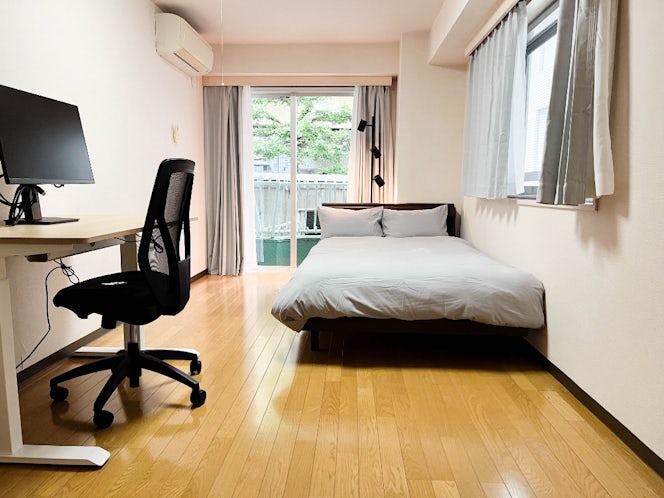
Access: 1 minute walk from Azabu-juban Station on Tokyo Metro Namboku Line
Equipment: Bath (shower), toilet, kitchen, bed, stove (including IH), air conditioner, washing machine (free of charge), refrigerator, desk (for work) included
Room Features: Standard furniture and appliances such as beds, washing machines, and refrigerators, of course. Some rooms are equipped with elevating desks, work chairs, and monitors! Recommended for remote work!
Security: All rooms are on the 2nd floor. There is a door that requires a key to enter the hallway where the rooms are located from the 2nd floor.
URL: https://unito.life/property/16186
unito Residence Kyoto Takasegawa
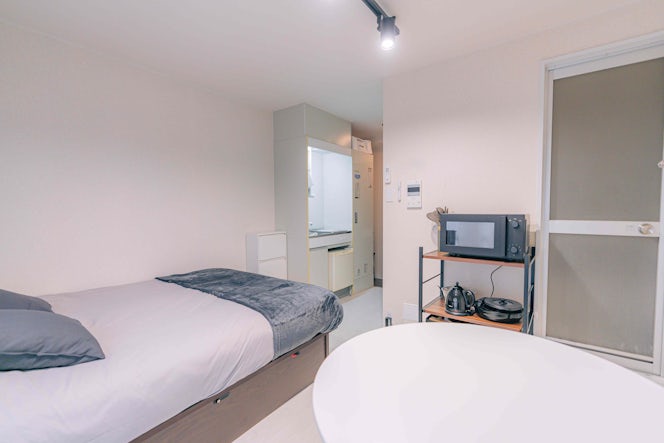
Access: 3 min. walk from Shimizu Gojo Sta. on the Keihan Main Line / 10 min. walk from Shichijo Sta. on the Keihan Main Line
Equipment: Bed, bath (shower) and toilet, kitchen, futon, kitchen utensils, stove (including IH), air conditioner, bathroom utensils (shampoo and body soap), washing machine (free), refrigerator included
There are many world-famous and famous temples and shrines, historic sites, important cultural assets, etc., including Kiyomizu-dera Temple, where you can enjoy taking a walk!
It is also very accessible to Osaka along the Keihan railway line, and it is possible to go to JR Kyoto Station and Shijo Kawaramachi on foot! Away from the downtown area, you can spend your time quietly at night♩ There are supermarkets, pharmacies, and coin laundromats in the neighborhood. Also, many convenience stores are very convenient!
You can also walk or ride a bicycle to Shijo-Kawaramachi, where there are many department stores, and you can get everything you need. Rooms 1, 2, and 3 face the Takase River, so you can enjoy the view!
URL: https://unito.life/property/13215
Sugusumu Otemachi by unito
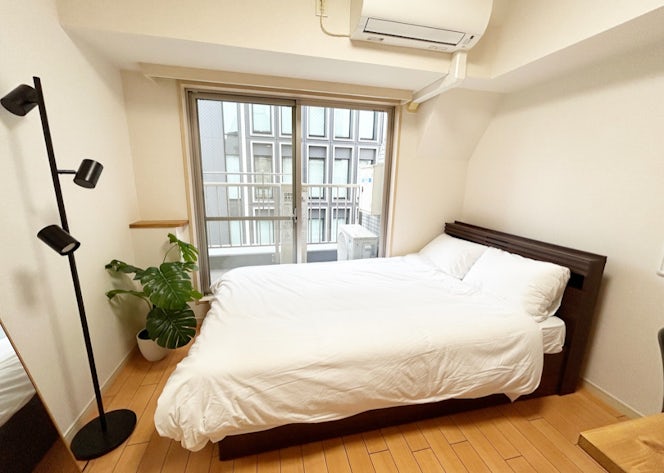
Access: 4 min. walk from Kanda Station on JR Yamanote Line / 5 min. walk from Otemachi Station on Tokyo Metro Marunouchi Line
Equipment: Bed, bath (shower) and toilet, kitchen, living room, stove (including IH), air conditioner, washing machine (free of charge), refrigerator, desk (for work) included
Not to mention standard furniture and appliances such as beds, washing machines, and refrigerators. All rooms have wood flooring, air conditioning, independent washstands, and other amenities to enrich your life. In addition, the apartments are equipped with auto-locks and delivery boxes, allowing you to live comfortably and safely even during your busy days. It is also recommended for remote working!
The building is conveniently located just a 4-minute walk from Kanda Station and a 6-minute walk from Otemachi Station. Although it is in a business district, you can relax in a quiet environment.
URL: https://unito.life/property/16202
Conclusion
The digital nomad lifestyle in Asia offers a unique combination of work flexibility and cultural discovery. With a variety of affordable destinations, vibrant communities, and numerous opportunities for professional growth, Asia remains one of the most popular regions for remote workers. However, to fully enjoy the experience, it’s essential for digital nomads to understand the challenges and resources available to them, ensuring a balanced and fulfilling lifestyle.
Recap of Key Points
Throughout this guide, we’ve covered several crucial aspects of being a digital nomad in Asia. From identifying popular destinations and comparing living costs to understanding visa options and overcoming challenges, there are numerous factors to consider. Building community and networking are equally important, as they contribute to a rewarding experience, both personally and professionally. Each topic is essential in preparing digital nomads for a successful journey in Asia, helping them make informed decisions and enjoy a comfortable, enriching stay.
Encouraging Exploration in Asia
Asia is a region filled with diverse cultures, languages, and landscapes, offering digital nomads a chance to explore vibrant cities, tranquil beaches, and historic landmarks. Each destination brings its own unique appeal, allowing remote workers to immerse themselves in different traditions and lifestyles. Whether it’s the temples of Thailand, the bustling markets of Vietnam, or the cutting-edge technology of Japan, Asia provides countless opportunities for exploration and personal growth. Digital nomads are encouraged to embrace this journey, taking the time to discover and appreciate the nuances of each place they visit.
Utilizing Unito for Seamless Accommodation
Finding suitable accommodation is essential for digital nomads, and Unito offers a seamless solution for securing a comfortable stay. With a wide range of properties available, Unito helps digital nomads find affordable apartments, co-living spaces, and serviced units tailored to their preferences and budgets. The platform simplifies the accommodation search process, providing detailed descriptions, images, and transparent pricing to ensure an easy transition to each new location. By using Unito, digital nomads can focus on enjoying their journey and building connections across Asia, knowing that their accommodation needs are taken care of.