
Introduction
Kyoto, with its rich history and serene landscapes, is an attractive destination for long-term stays. Whether you're a professional, student, or retiree, the city offers a variety of apartment options that cater to different needs and preferences. Renting a long-term apartment in Kyoto allows residents to immerse themselves in the culture and enjoy the unique blend of tradition and modernity that the city offers.
Overview of the Long-Term Apartment Market in Kyoto
The long-term apartment market in Kyoto has grown significantly in recent years. The city sees a constant influx of both domestic and international residents looking for a more extended stay. With its status as a cultural hub, Kyoto's real estate market features a broad range of apartment types, from traditional Japanese homes to modern high-rise buildings. Due to the steady demand, prices can vary depending on the location, size, and type of apartment, but there are options for almost every budget.
Why Kyoto Is Ideal for Long-Term Stays
Kyoto is an excellent choice for long-term stays because of its high quality of life, efficient transportation system, and range of services catering to foreigners. The city offers a calm and peaceful environment compared to the hustle and bustle of Tokyo or Osaka, making it a perfect destination for those seeking a more relaxed lifestyle. Moreover, Kyoto's extensive public transportation network ensures that residents can easily travel within the city or to nearby areas, while a variety of cultural activities and scenic spots are always accessible.
Types of Long-Term Apartments Available in Kyoto
Kyoto's real estate market offers a variety of long-term apartments to suit different lifestyles and preferences. Whether you're looking for a cozy space in a historic district or a modern apartment with all the latest amenities, Kyoto has something for everyone. The diversity in apartment types makes it easier for residents to find something that matches their needs, whether they prefer a more traditional or contemporary living space.
Furnished vs Unfurnished Apartments
One of the first choices you'll encounter when searching for a long-term apartment in Kyoto is whether to opt for a furnished or unfurnished unit. Furnished apartments are ideal for those planning a shorter stay or who want to avoid the hassle of buying furniture. These units come with basic furniture, appliances, and sometimes even kitchenware, making them move-in ready. Unfurnished apartments, on the other hand, offer more flexibility in terms of personalizing your space. They are often more affordable, but you will need to budget for furniture and appliances.
Apartments for Families vs Individuals
The type of apartment you choose in Kyoto will also depend on whether you're living alone or with a family. For individuals or couples, smaller apartments such as 1DK or 2DK (one or two rooms plus dining kitchen) are common and provide enough space for a comfortable living. Families, however, may require larger apartments, often with two or more bedrooms, to accommodate their needs. Family-friendly apartments are usually found in residential areas and offer amenities such as nearby schools, parks, and larger living spaces.
Traditional Japanese Style vs Modern Apartments
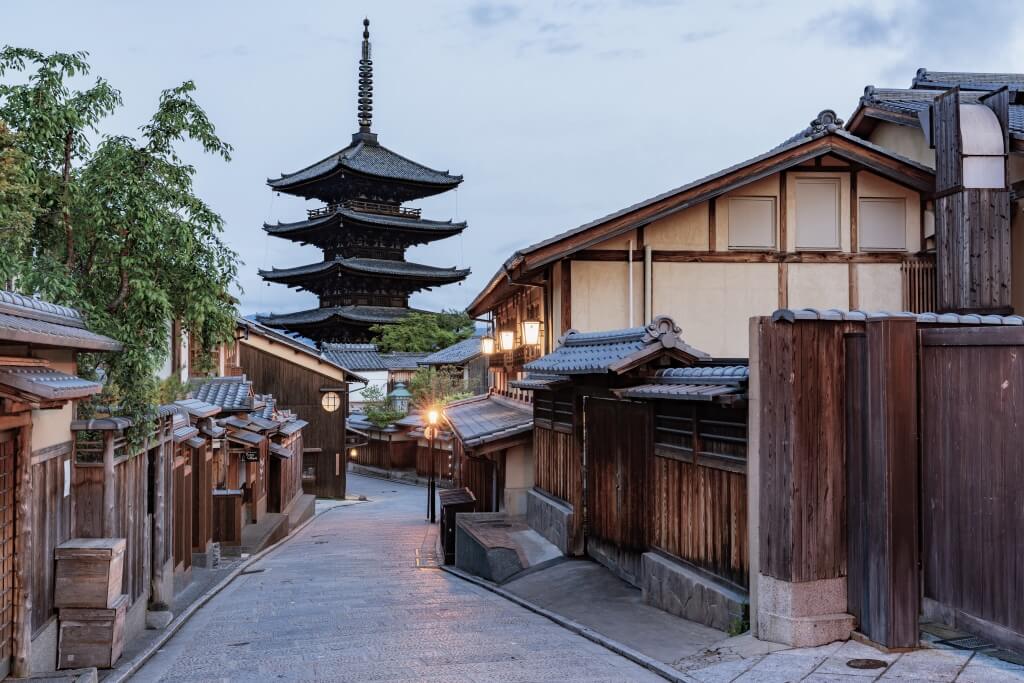
Kyoto is unique in that it offers both traditional Japanese-style apartments, known as "machiya," and modern apartments with all the latest conveniences. Machiya are typically older homes with tatami floors, sliding doors, and wooden interiors that give residents a taste of old Japan. These homes are often located in historical areas of the city, offering a deeply immersive cultural experience. On the other hand, modern apartments provide the latest amenities such as air conditioning, heating, and modern kitchens, making them more comfortable for those used to a contemporary lifestyle. Both options have their own charm, and the choice will largely depend on your personal preferences and lifestyle needs.
Popular Neighborhoods for Long-Term Apartments in Kyoto
Kyoto is a city of diverse neighborhoods, each offering its own unique living experience. Whether you're seeking the convenience of urban life or the peacefulness of a more secluded area, there are plenty of options for long-term apartments in Kyoto. Deciding where to live depends largely on your lifestyle, preferences, and budget, with various neighborhoods catering to different needs.
Downtown Kyoto: Convenience and Accessibility
Downtown Kyoto is the heart of the city and one of the most popular areas for long-term residents. This area offers unparalleled convenience with easy access to shopping, dining, entertainment, and public transportation. Living in downtown Kyoto means you're close to everything, from modern department stores to traditional markets. For those who want to be in the center of the action and value accessibility, this neighborhood is an excellent choice.
Gion Area: Living in Historical Kyoto
The Gion area offers a unique living experience in one of Kyoto's most famous historical districts. Known for its traditional teahouses, narrow streets, and centuries-old architecture, Gion is a great option for those who wish to immerse themselves in Kyoto’s rich cultural heritage. While it may be quieter than downtown, Gion still provides easy access to central areas and is especially appealing to residents who appreciate a blend of history and modern comforts.
Arashiyama: Nature and Tranquility
For those who prefer a more serene environment, Arashiyama offers a peaceful retreat from the busier parts of the city. Located in the western part of Kyoto, this area is famous for its beautiful bamboo groves, temples, and scenic river views. Arashiyama is ideal for nature lovers and those looking for a tranquil place to call home. Despite being more removed from the hustle and bustle of the city, it remains well-connected by public transportation.
University Areas: Budget-Friendly Options
Kyoto is home to several prestigious universities, and the neighborhoods surrounding these institutions are known for offering affordable housing options. Areas near Kyoto University, Doshisha University, and Ritsumeikan University are popular among students, researchers, and even budget-conscious long-term residents. These neighborhoods are also vibrant, with plenty of cafes, bookstores, and affordable restaurants, making them a great option for those seeking a lively yet cost-effective place to live.
Living Near Kyoto Station: Transportation Hub Benefits
Living near Kyoto Station is a fantastic choice for those who frequently travel within or outside the city. As Kyoto’s main transportation hub, the station area provides easy access to local trains, buses, and shinkansen (bullet trains), making commuting and long-distance travel extremely convenient. In addition to transportation, the area around Kyoto Station boasts large shopping complexes, hotels, and dining options, making it a practical and strategic location for long-term residents.
How to Find Long-Term Apartments in Kyoto
Finding the right long-term apartment in Kyoto can be a straightforward process if you know where to look. From traditional methods to modern online platforms, there are multiple ways to discover your ideal living space. Whether you're using a real estate agent or navigating through listings online, it’s essential to consider your preferences and understand the tools available to you.
Using Real Estate Agents
Real estate agents are a reliable option for finding long-term apartments in Kyoto. They provide access to a wide range of listings, including those not available on public platforms. Agents are also well-versed in the local market, helping you navigate legal requirements, negotiate rent, and understand the specific conditions for renting in Japan. Many agencies offer services in English, making it easier for international residents to communicate their needs.
Online Platforms for Apartment Hunting
In recent years, online platforms have become an increasingly popular way to find apartments in Kyoto. Websites such as Suumo, Homes.co.jp, and GaijinPot allow users to browse listings based on their desired location, budget, and apartment features. These platforms provide detailed information about the property and sometimes offer virtual tours, which can save time and effort during the search process. Additionally, online platforms cater to those who prefer a more hands-on approach to apartment hunting.
Dealing with the Language Barrier
One of the challenges foreigners might face when looking for long-term apartments in Kyoto is the language barrier. While some real estate agents and platforms offer services in English, many listings and legal documents are in Japanese. It’s advisable to enlist the help of a bilingual real estate agent or have a friend who speaks Japanese assist you in the process. Another solution is using translation tools to navigate through websites and documents, although this may not always capture the nuances of the language.
Factors to Consider When Renting Long-Term in Kyoto
Renting a long-term apartment in Kyoto requires careful consideration of several factors to ensure a smooth and enjoyable experience. From financial planning to understanding cultural nuances, taking these elements into account can help you make informed decisions and avoid potential challenges during your stay.
Rental Costs and Budgeting
One of the most important factors to consider when renting in Kyoto is the cost of the apartment and how it fits into your overall budget. Rental prices can vary significantly depending on the location, size, and type of apartment. In central areas like downtown Kyoto or near Kyoto Station, prices tend to be higher, while more affordable options can be found in residential neighborhoods or university areas. In addition to rent, you will need to budget for other expenses such as utilities, internet, and possibly maintenance fees. It’s also important to account for upfront costs like deposits and key money, which are common in Japan.
Proximity to Transportation and Amenities
The location of your apartment is another key factor to consider. Proximity to public transportation can greatly impact your daily life, especially if you rely on buses or trains to commute to work or school. Kyoto has an extensive public transportation network, and living near a station or bus stop can make getting around much easier. Additionally, consider the availability of nearby amenities such as grocery stores, convenience stores, restaurants, and healthcare facilities. Living close to these essential services can improve your quality of life and reduce travel time.
Cultural Considerations and Neighborhood Fit
Kyoto is a city rich in history and culture, and each neighborhood has its own unique character. When choosing a place to live, it’s important to consider how well the neighborhood fits your lifestyle and preferences. For example, some areas, like Gion, are steeped in traditional culture, while others, like Arashiyama, offer a more tranquil, nature-focused environment. Understanding the cultural norms and values of the neighborhood you choose can also enhance your living experience. Engaging with local customs and traditions can help you feel more integrated into the community.
Contract Terms and Minimum Rental Period
Before committing to a long-term rental in Kyoto, it’s essential to thoroughly review the contract terms. In Japan, long-term rental contracts typically have a minimum rental period, which is often one or two years. Breaking the lease early can result in penalties, so make sure you are comfortable with the length of the contract. Additionally, pay close attention to any clauses regarding rent increases, maintenance responsibilities, and renewal conditions. Understanding the terms of the contract will help you avoid surprises and ensure that you are fully aware of your obligations as a tenant.
Legal Considerations for Renting Long-Term
Renting an apartment in Kyoto involves several legal considerations that both domestic and international residents should be aware of. These legal requirements are designed to protect both the tenant and the landlord, and being informed can help you navigate the process more smoothly.
Visa Requirements and Long-Term Residency
Foreign residents looking to rent long-term in Kyoto need to ensure that they meet the visa requirements for staying in Japan. Most long-term rental contracts require tenants to have a valid visa that allows them to reside in Japan for an extended period. Depending on your situation, you may need to apply for a work visa, student visa, or other residency permits. It’s important to have your visa in order before signing a rental contract, as landlords may request proof of your legal status in Japan.
Key Money, Deposit, and Guarantor System
Japan has a unique rental system that often includes key money, deposits, and the use of a guarantor. Key money is a non-refundable payment made to the landlord as a gesture of appreciation for allowing you to rent the apartment. In addition, you will likely need to pay a refundable deposit, which is typically equivalent to one or two months' rent. Many landlords also require a guarantor—someone who co-signs the lease and is responsible for the rent if the tenant is unable to pay. If you don’t have a guarantor, there are services that act as guarantors for a fee.
Tenant Rights and Responsibilities
As a tenant in Kyoto, you have certain rights and responsibilities that are protected by Japanese law. Tenants have the right to a safe and livable environment, and landlords are obligated to make necessary repairs and maintain the property. However, tenants are also responsible for taking care of the apartment and following the terms outlined in the rental contract. It’s important to be aware of your rights in case any disputes arise, and to fulfill your responsibilities to maintain a positive relationship with your landlord.
Tips for Expats Renting Long-Term in Kyoto
Renting an apartment as an expat in Kyoto comes with its own set of challenges and opportunities. As a foreigner, it's important to be well-prepared for the differences in lifestyle, culture, and the rental process in Japan. By understanding the local environment and making use of available resources, expats can ease their transition and make the most of their long-term stay in Kyoto.
Adjusting to Life in Kyoto as a Foreigner
Moving to Kyoto as a foreigner can be an exciting yet challenging experience. The city’s blend of tradition and modernity offers a unique atmosphere that differs from other parts of Japan. To adjust smoothly, it's crucial to learn about Japanese customs, etiquette, and the expectations of daily life. Understanding basic Japanese phrases and expressions will also help with everyday interactions, whether you're shopping for groceries, navigating transportation, or meeting new people. Additionally, embracing the cultural richness of Kyoto, such as its festivals, temples, and local cuisine, can enhance your experience and make you feel more connected to your new home.
Resources for Expats in Kyoto
Kyoto has a variety of resources available to expats to help them settle in and navigate the challenges of living in a foreign country. Several expat communities and organizations, such as Kyoto International Community House and the Kyoto International Foundation, offer support services, language classes, and cultural events. These groups are great for meeting other foreigners and locals, allowing for social connections and shared experiences. Additionally, online platforms such as Facebook groups, forums, and websites dedicated to expats in Japan provide valuable information on topics like apartment hunting, legal matters, and job opportunities.
Overcoming Cultural and Language Challenges
One of the most significant hurdles for expats in Kyoto is the language barrier. While some areas of Kyoto are more accommodating to English speakers, much of the city operates primarily in Japanese. It’s helpful to learn some basic Japanese, particularly when dealing with landlords, utilities, and local services. Cultural differences, such as expectations around cleanliness, noise levels, and apartment rules, can also be a challenge. Being aware of these differences and showing respect for local customs will go a long way in helping you integrate into your community. If language or cultural misunderstandings arise, many expats turn to bilingual friends, translation apps, or professional services to assist with communication.
Kyoto Apartment for Rent
unito Residence Kyoto Takasegawa
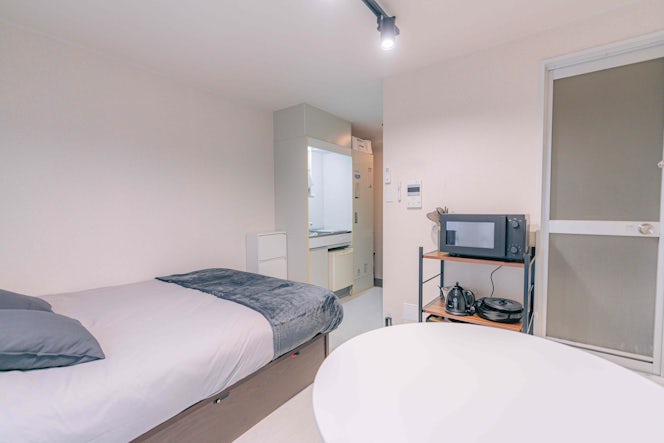
Access: 3 min. walk from Shimizu Gojo Sta. on the Keihan Main Line / 10 min. walk from Shichijo Sta. on the Keihan Main Line
Equipment: bed, bath (shower) and toilet, kitchen, futon, kitchen utensils, stove (including IH), air conditioner, bathroom utensils (shampoo and body soap), washing machine (free), refrigerator included
There are many world-famous and famous temples and shrines, historical sites, important cultural assets, etc., including Kiyomizu-dera Temple, where you can enjoy a walk! It is also very accessible to Osaka along the Keihan railway line, and it is possible to go to JR Kyoto Station and Shijo Kawaramachi on foot! Away from the downtown area, you can spend your time quietly at night ♩
There are supermarkets, pharmacies, and coin laundromats in the neighborhood. Also, many convenience stores are very convenient!
You can also walk or ride a bicycle to Shijo-Kawaramachi, where there are many department stores, and you can get everything you need.
Rooms 1, 2, and 3 face the Takase River, so you can enjoy the view!
URL: https://unito.life/property/13215
unito Residence Kyoto Gojo
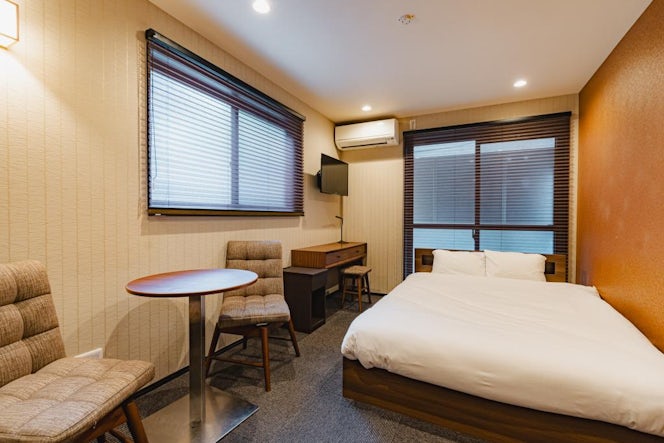
Access: 12 min. walk from Kyoto Sta. on the JR Tokaido/Sanyo Honsen Line / 7 min. walk from Gojo Sta. on the Kyoto Municipal Karasuma Line
Equipment: bed, bath (shower) and toilet, kitchen, kitchenware, stove (including IH), air conditioner, bathroom ware (shampoo and body soap), washing machine (free), refrigerator, TV, desk (for work), WiFi (fixed) included
Enjoy a special time in this serene hotel with the pleasant breeze of Kyoto. The hotel is equipped with a double bed, a kitchen, and a washing machine, making it ideal for long-term stays. We offer you a comfortable stay in Kyoto, where you can forget about your daily life while enjoying the atmosphere of the ancient capital.
URL: https://unito.life/property/1457
Conclusion
Finding the right long-term apartment in Kyoto can greatly enhance your experience of living in this culturally rich and beautiful city. With careful planning and consideration, expats and locals alike can find a place that meets their needs and suits their lifestyle. From understanding the rental market to navigating cultural and legal differences, being informed is key to securing a comfortable and hassle-free living arrangement.
Summary of Key Points
When renting long-term in Kyoto, it’s essential to consider several key factors. First, understanding the rental costs and budgeting is crucial to finding an apartment within your financial means. Proximity to transportation and amenities can significantly impact your convenience and quality of life. Additionally, choosing a neighborhood that aligns with your cultural preferences and lifestyle is important for ensuring a good fit. Lastly, paying close attention to contract terms and legal requirements, such as visa status and guarantor systems, will help you avoid complications during the rental process.
Final Tips for Securing the Ideal Long-Term Apartment
To secure the ideal long-term apartment in Kyoto, start by thoroughly researching the neighborhoods and apartment types that best suit your needs. Use a combination of real estate agents and online platforms to explore different options. It’s also important to be proactive in understanding the local rental process, including dealing with key money, deposits, and other contractual terms. Lastly, for expats, learning some basic Japanese and familiarizing yourself with local customs can help make the process smoother and more enjoyable. By being well-prepared and informed, you’ll increase your chances of finding the perfect long-term home in Kyoto.