
1_1 Introduction
Shibuya is one of Tokyo’s most iconic and vibrant districts, known for its dynamic cityscape, bustling streets, and trendsetting culture. For international visitors, students, and business travelers, staying in Shibuya provides a unique opportunity to experience Tokyo’s modern lifestyle while enjoying the convenience of a central location. Renting a monthly apartment in Shibuya offers flexibility and comfort, making it an ideal choice for those planning a medium-term stay in Japan.
In this guide, we’ll cover everything you need to know about renting a monthly apartment in Shibuya, including types of apartments, costs, and budgeting tips, as well as the most popular neighborhoods to consider. Whether you’re seeking a fully furnished apartment or a more luxurious option, Shibuya has something to fit your needs.
1_1 Overview of Shibuya as a Prime Location
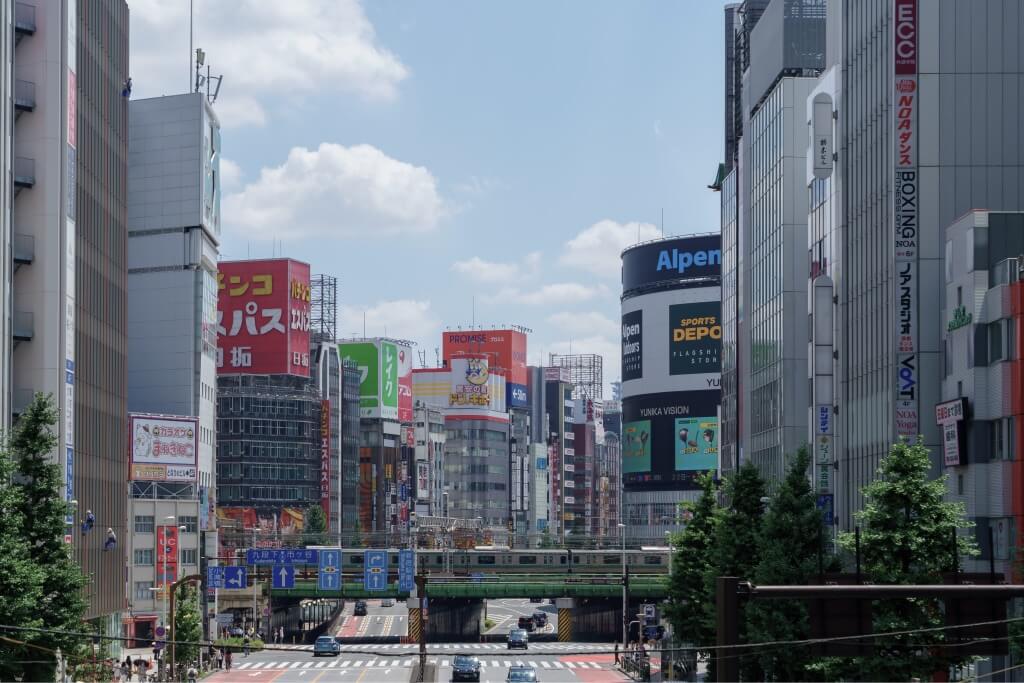
Shibuya is not just a transportation hub; it’s a cultural epicenter that appeals to people from all walks of life. The district is famous for the Shibuya Scramble Crossing—one of the busiest intersections in the world—and its shopping, dining, and entertainment options. Shibuya’s blend of traditional and modern elements makes it an exciting area to live in, offering everything from high-end boutiques and trendy cafes to traditional shrines and peaceful parks.
Its central location means that Shibuya is well-connected to other major Tokyo districts, including Shinjuku, Harajuku, and Roppongi, making it an ideal base for exploring the city. For those seeking a balance between work and leisure, Shibuya’s dynamic environment provides a unique blend of convenience and excitement.
1_2 Benefits of Renting a Monthly Apartment
Renting a monthly apartment in Shibuya offers several key benefits, especially for those who need flexibility. Unlike traditional long-term rentals, monthly apartments allow you to rent for just the period you need, without the hassle of lengthy contracts or large deposits. This makes them ideal for international students attending short-term courses, business travelers on temporary assignments, or anyone in Tokyo for a limited stay.
Monthly apartments are often fully furnished, which means you won’t need to worry about purchasing or transporting furniture. This makes moving in and out much easier and allows you to focus on your work or studies. Additionally, many apartments come with utilities and internet included in the rent, providing further convenience for newcomers to Japan.
2_1 Types of Monthly Apartments in Shibuya
2_1 Serviced Apartments
Serviced apartments are ideal for those seeking a hotel-like experience with the comfort of home. These units typically come fully furnished and include additional services such as housekeeping, concierge assistance, and 24-hour security. They are perfect for business professionals who value convenience and time efficiency.
In Shibuya, many serviced apartments are located in prime areas, close to transportation hubs and major business centers. The amenities often include gyms, on-site laundry, and communal spaces, making them an excellent choice for those who want more than just a place to sleep.
2_2 Furnished Apartments
Furnished apartments offer a more home-like environment compared to serviced apartments but at a lower cost. These units come with all the essential furniture and appliances, such as beds, sofas, kitchen utensils, and washing machines. They are perfect for people who want to live independently while still enjoying the convenience of a fully equipped home.
Furnished apartments in Shibuya are available in a range of styles and sizes, from compact studios to spacious one-bedroom units. They are particularly popular among students and young professionals who want a comfortable living space without the need for long-term commitments.
2_3 Short-Term Rental Options
For those who need maximum flexibility, short-term rental options are also available. These apartments can be rented on a weekly or monthly basis and usually come fully furnished. Short-term rentals are ideal for visitors who are in town for a brief stay, such as attending conferences, language courses, or project-based work.
Short-term rental apartments in Shibuya are typically located near major transportation hubs like Shibuya Station, making it easy to get around the city. These units are often slightly more expensive due to their prime locations and shorter lease terms, but they provide unmatched convenience for short-term visitors.
3_1 Costs and Budgeting for a Monthly Apartment
3_1 Typical Rental Prices
Monthly rental prices in Shibuya vary depending on the type of apartment, size, and location. Generally, rental prices are higher compared to other Tokyo districts due to Shibuya’s popularity and central location.
- Studio Apartments: From ¥150,000 to ¥250,000 per month
- One-Bedroom Apartments: From ¥250,000 to ¥400,000 per month
- Serviced Apartments: From ¥350,000 and up, depending on the level of services and amenities provided
These prices are averages and can fluctuate based on the season and availability. It’s recommended to check multiple listings and consult with real estate agents to get a clearer picture of current market trends.
3_2 Additional Costs (Utilities, Deposit, etc.)
In addition to the base rent, there are several other costs to consider when renting a monthly apartment in Shibuya:
- Utilities: Some monthly apartments include utilities in the rent, while others charge separately for electricity, gas, and water. Make sure to confirm this with the landlord or property manager.
- Deposit: Monthly rentals may require a refundable deposit, usually equivalent to one month’s rent. However, some apartments targeted at foreigners or short-term stays may not require a deposit.
- Service Fees: Depending on the type of apartment, there may be additional service fees for cleaning, maintenance, or concierge services. Serviced apartments, in particular, often have higher service fees due to the extra amenities provided.
3_3 Budget-Friendly Options
While Shibuya is known for its high rental prices, there are still budget-friendly options available, especially for students or those willing to compromise on space or location. Consider looking for apartments in slightly less central areas of Shibuya or opting for smaller units to keep costs down.
Some budget-friendly options include shared apartments or guesthouses, which offer lower rents but come with shared facilities such as kitchens and bathrooms. These types of accommodations are ideal for students and young professionals looking to save money while staying in a prime location.
3_4 Luxury Apartment Costs
For those seeking a premium living experience, Shibuya also offers luxury apartments with high-end furnishings, state-of-the-art amenities, and prime locations. These apartments are often located in modern high-rise buildings and come with features such as:
- Panoramic city views
- On-site gyms and fitness centers
- Concierge services and 24-hour security
Luxury apartments in Shibuya can cost anywhere from ¥500,000 to over ¥1,000,000 per month, depending on the size, location, and amenities. While the cost is high, these apartments provide a high level of comfort and convenience, making them ideal for executives and those seeking a top-tier lifestyle.
3_5 How to Manage Your Budget
When renting a monthly apartment in Shibuya, it’s crucial to plan your budget carefully. Here are some tips to help you manage your rental expenses:
- Set a Budget Before Searching: Determine your maximum monthly rent, including utilities and other fees, before starting your search.
- Prioritize Essential Amenities: Decide which amenities are must-haves and which ones you can live without. For example, do you need a gym, or is proximity to a train station more important?
- Consider Sharing: If you’re open to sharing, look into shared apartments or guesthouses. This option can significantly lower your rent while still providing a comfortable living space.
- Negotiate Terms: Don’t hesitate to negotiate the rent or ask about waiving certain fees, especially if you’re renting during the off-peak season or for a longer stay.
By keeping these points in mind, you can find a suitable monthly apartment in Shibuya that fits your budget and lifestyle needs.
4_1 Popular Neighborhoods in Shibuya
4_1 Harajuku
Harajuku is world-famous for its cutting-edge fashion, pop culture, and youthful energy. This trendy neighborhood is a hub for fashion lovers and tourists alike, with its quirky boutiques, colorful street art, and vibrant energy. Takeshita Street, a popular pedestrian shopping street, is at the heart of Harajuku, offering everything from fashion stores to cafes that cater to a younger crowd.
For those who prefer a balance between the urban excitement and a more peaceful environment, Omotesando offers upscale shopping and dining options just a short walk from Harajuku Station. Omotesando’s tree-lined avenue is home to luxury brand stores and stylish cafes, providing a more refined atmosphere compared to the lively Takeshita Street.
Renting a monthly apartment in Harajuku allows you to immerse yourself in one of Tokyo’s trendiest districts. It’s an excellent choice for people who enjoy being in the center of Tokyo’s youth culture while still having access to Shibuya’s other areas.
4_2 Ebisu
Ebisu is a stylish and sophisticated neighborhood located just southeast of Shibuya. Known for its upscale restaurants, trendy cafes, and chic bars, Ebisu is popular with professionals and expats seeking a more refined lifestyle. The neighborhood is particularly famous for Ebisu Garden Place, a beautiful complex featuring high-end dining, luxury apartments, and stunning views of Tokyo.
Despite its modernity, Ebisu maintains a laid-back and welcoming atmosphere, making it an ideal location for those looking to escape the hustle and bustle of central Shibuya while still being close to the action. Apartments in Ebisu are slightly more expensive than other areas in Shibuya, but they offer excellent access to quality dining and cultural experiences.
Ebisu’s excellent transportation links, including the JR Yamanote Line and Tokyo Metro Hibiya Line, make it an ideal base for commuting to other parts of Tokyo. The neighborhood’s combination of convenience, sophistication, and modern amenities makes it a popular choice for business professionals and long-term visitors.
4_3 Daikanyama
For those seeking a more peaceful and residential atmosphere, Daikanyama is one of Shibuya’s hidden gems. This upscale neighborhood is known for its trendy boutiques, designer stores, and cozy cafes. Often referred to as the “Brooklyn of Tokyo,” Daikanyama is favored by artists, creatives, and expatriates who appreciate its relaxed yet fashionable vibe.
Daikanyama is also home to the famous T-Site, a stunning bookstore and cultural complex where locals and visitors can enjoy reading, shopping, or simply relaxing in its modern, open spaces. The area is dotted with lush greenery, making it an excellent choice for those who prefer a quieter and more serene living environment.
While rental prices in Daikanyama tend to be higher due to its exclusivity, the neighborhood offers a perfect balance between proximity to Shibuya and a tranquil living experience. It’s ideal for those looking for a more residential atmosphere without sacrificing access to Shibuya’s vibrant urban life.
5_1 Finding a Monthly Apartment in Shibuya
5_1 Online Platforms for Searching
In today’s digital age, one of the most efficient ways to find a monthly apartment in Shibuya is by using online platforms. These websites allow you to browse through hundreds of listings with detailed information about the property, location, and price. Some popular platforms for finding monthly apartments include:
- GaijinPot Apartments: Specializes in housing for foreigners, offering listings with English support and flexible rental terms.
- Tokyo Monthly: A website dedicated to short-term and monthly apartment rentals, featuring fully furnished options.
- Airbnb: While traditionally known for short-term stays, Airbnb offers a wide range of monthly rentals in Tokyo, including Shibuya.
- Suumo: One of Japan’s largest real estate platforms, Suumo provides extensive listings for both long-term and short-term rentals.
When using these platforms, it’s essential to read the listing details carefully, paying attention to factors such as included utilities, the minimum rental period, and whether the apartment is furnished. Most platforms offer filters to help narrow down your search based on your budget, desired neighborhood, and apartment size.
5_2 Working with Real Estate Agents
For those who prefer a more personalized approach, working with a local real estate agent is an excellent option. Real estate agents can provide expert advice and help you navigate the often complex rental market in Tokyo. Many agents specialize in helping foreigners find accommodation, and some offer services in English.
Real estate agents in Shibuya can assist you in finding apartments that meet your specific needs and budget, even those that may not be listed online. They also guide you through the application process, ensuring that you understand the terms and conditions of the lease. Popular agencies that cater to foreign residents include Hikari Home, Real Estate Japan, and Tokyo Lease Corporation.
5_3 Application and Screening Process
Once you’ve found a suitable apartment, the application and screening process begins. In Japan, landlords and property managers typically have strict screening processes to ensure that tenants are reliable and capable of paying rent on time. You will likely need to provide the following documents:
- Identification: A passport or residence card.
- Proof of Income: A document showing your employment status and salary, or a letter of support if you are a student.
- Guarantor: In many cases, you may need a guarantor (co-signer) who will be responsible for your rent if you are unable to pay.
The screening process can take anywhere from a few days to a week, depending on the landlord or real estate agency. Be prepared to provide accurate information and complete all necessary paperwork to secure the apartment.
5_4 Legal Considerations
Renting a monthly apartment in Shibuya comes with several legal considerations, especially for foreign residents. It’s essential to understand the terms of your rental agreement and any legal requirements that apply to foreigners renting in Japan.
- Lease Agreement: Make sure to carefully review the lease agreement before signing. Check for details on the length of stay, renewal terms, and any additional fees such as cleaning or cancellation charges.
- Deposit and Key Money: Some apartments may require a deposit or reikin (key money), which is a non-refundable payment to the landlord. Monthly rentals may have lower deposit requirements, but it’s important to confirm these details.
- Immigration Laws: Ensure that your visa status allows for long-term stays in Japan, as immigration laws may affect your ability to rent for extended periods. Some landlords may request proof of your visa status as part of the screening process.
By understanding these legal aspects, you can ensure a smooth rental experience without unexpected surprises.
6_1 Amenities and Facilities to Consider
6_1 Internet and Utilities
Access to high-speed internet is crucial, especially for students and business travelers who rely on it for work and communication. Many monthly apartments include Wi-Fi in the rental price, but it’s always a good idea to confirm this before signing a lease. If internet is not included, you may need to arrange it yourself, which can take time depending on the provider.
Utilities such as electricity, gas, and water may or may not be included in the rental price. Be sure to clarify whether utilities are billed separately and estimate the monthly cost to avoid unexpected expenses.
6_2 Security Features
Security is a priority for any renter, particularly for those new to Japan. Many modern apartment buildings in Shibuya are equipped with security features such as keycard entry systems, surveillance cameras, and 24-hour security personnel. These features provide peace of mind, especially in urban areas where foot traffic is high.
If security is a concern for you, consider apartments located in buildings with enhanced security measures or those with a staffed front desk.
6_3 Proximity to Public Transportation
Shibuya is one of Tokyo’s major transportation hubs, making proximity to public transit a key consideration for most renters. Living close to Shibuya Station or other nearby train stations such as Ebisu or Harajuku offers quick access to Tokyo’s extensive rail and bus networks, which is particularly valuable for those commuting to work or school.
Additionally, living near public transportation ensures easy access to all of Tokyo’s top attractions, whether you’re heading to business meetings or exploring the city’s cultural landmarks. Make sure to check the walking distance to the nearest station when selecting your apartment.
7_1 Pros and Cons of Monthly Apartment Rentals
7_1 Flexibility and Convenience
One of the biggest advantages of renting a monthly apartment in Shibuya is the flexibility it offers. Unlike traditional long-term leases, which typically require a commitment of at least one year, monthly rentals allow tenants to stay for shorter periods, ranging from one month to several months, depending on their needs. This is ideal for:
- Business travelers who may have temporary assignments.
- Students participating in short-term exchange programs or internships.
- Tourists or expatriates who are still exploring different parts of Tokyo before deciding on a permanent residence.
Another significant benefit is the convenience of moving into a fully furnished space. Most monthly apartments come with essential furniture and appliances, such as beds, kitchenware, and washing machines, so you don’t have to worry about buying or transporting your own. The all-inclusive nature of these rentals also often covers utilities and internet, making budgeting simpler and giving you more time to enjoy your stay without the hassle of setting up new accounts.
7_2 Potential Downsides (Cost, Availability)
While monthly apartment rentals in Shibuya provide flexibility and convenience, they also come with potential downsides:
- Higher Costs: Monthly rentals are often more expensive than long-term leases. Because landlords offer the convenience of a shorter stay and furnished apartments, the rent tends to be higher than if you were signing a one-year contract. Additionally, some short-term rentals may charge extra fees for cleaning, key exchanges, or management services, which can add to the overall cost.
- Limited Availability: The demand for short-term apartments in Shibuya is high, particularly in peak seasons such as spring and summer when tourists and students arrive in Tokyo. As a result, finding a suitable apartment that matches your budget and preferred location can be challenging. Booking in advance is often necessary, especially if you’re looking for a stay longer than one month.
- Fewer Customization Options: Since these apartments are fully furnished, you have limited control over the furniture and design of your living space. If you prefer to personalize your home or bring your own belongings, monthly rentals may feel restrictive.
7_3 Comparison with Long-Term Rentals
When comparing monthly rentals to long-term leases, there are several factors to consider:
- Commitment: Monthly rentals allow for a more flexible stay, making them ideal for temporary needs, while long-term leases usually require a commitment of at least 12 months. If you’re planning to stay in Tokyo for an extended period, signing a long-term lease could offer cost savings in the long run.
- Cost Efficiency: Long-term rentals generally have lower monthly rent compared to short-term leases. However, they also require larger upfront payments, including a security deposit, key money, and possibly a guarantor fee. On the other hand, monthly rentals often include utilities and internet, which can simplify your expenses.
- Customization and Space: Long-term leases often come unfurnished, giving you the freedom to furnish and design your space according to your preferences. Monthly rentals are fully furnished, which is convenient but might feel less personalized.
Ultimately, the choice between monthly and long-term rentals depends on your needs and how long you plan to stay in Tokyo. Monthly rentals are perfect for temporary visits, while long-term leases offer more cost-effective options for extended stays.
Shibuya Apartment for Rent
If you’re looking for a short-term stay in one of Tokyo’s most vibrant districts, Shibuya offers a range of apartments for rent. From budget-friendly serviced apartments to luxury properties, Shibuya’s monthly apartment market caters to various needs. Keep in mind that availability and pricing can fluctuate depending on the season and demand, so it’s recommended to start your search early to secure the best deal.
Relent Residence Shibuya
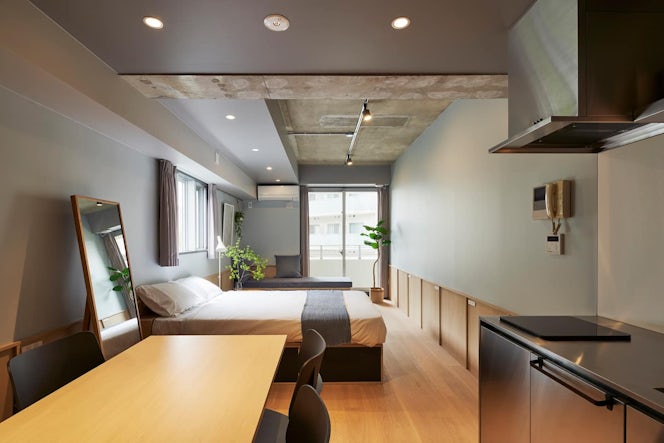
Re-rent Residence Shibuya,” located a 3-minute walk from Shibuya Station, is a serviced apartment that will open in June 2021.
The building is equipped with kitchen and laundry facilities, making it a comfortable place to stay even for mid- to long-term stays.
https://unito.life/property/95
unito Shibuya Shinsen
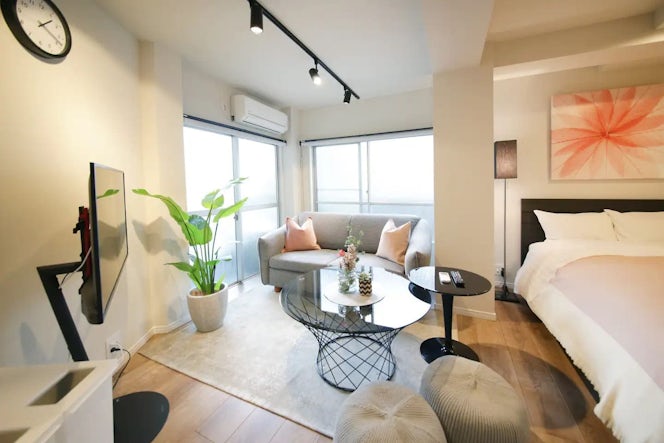
Studio room of 23 sq.m.
The room is furnished with 2 beds, 2 washing machines, table and TV, etc!
Only 8 minutes walk from Shinsencho station!
It is also possible to place a resident card!
Can accommodate up to 4 people, recommended for families or groups.
https://unito.life/property/733
unito Dogenzaka Villa
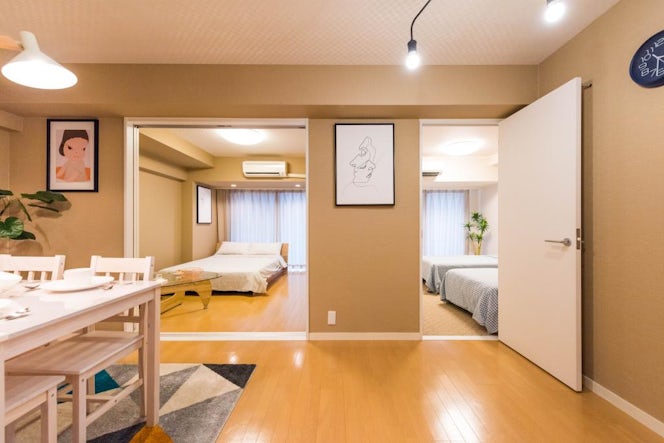
8 minutes walk from Shibuya station.
This spacious room is fully furnished and equipped with appliances.
Everything you need for your daily life is provided, making your stay easy.
Shibuya” is a town that symbolizes the culture of the times.
Why don't you try living in such a town and feel the city?
https://unito.life/property/435
Okushibu Residence
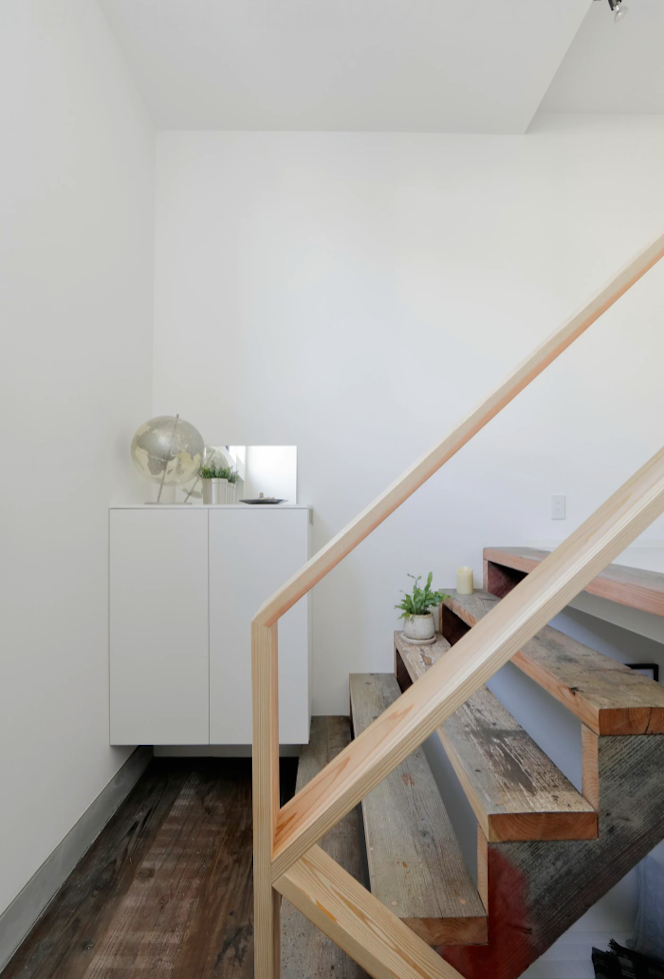
Newly built designer apartment in Okushibu area where the hottest cafes and bars gather.
Relax and unwind after fully enjoying the bustling Tokyo Shibuya area.
https://unito.life/property/7
Shibuya Hill Top
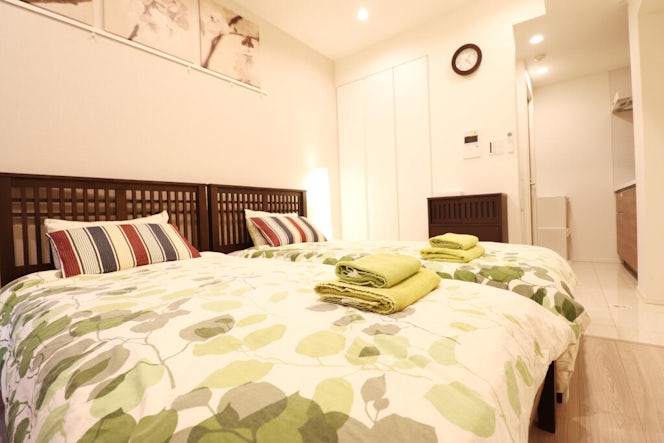
Living in the Entertainment City “Shibuya
Safety, cleanliness, comfort, and good location.
https://unito.life/property/108
Hmlet Shibuya Shoto
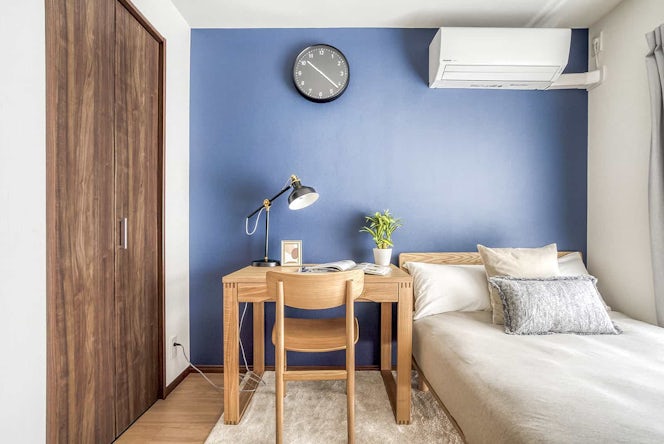
Although only a 3-minute walk from Shinsen Station and a 9-minute walk from Shibuya Station, the building is located in the upscale residential area of Shibuya Shoto, a short distance from the hustle and bustle of the city.
Lined with fashionable cafes and restaurants, and with facilities for enjoying the arts such as the Shoto Museum of Art and Bunkamura, as well as the lush greenery of Shoto Park and Yoyogi Park, you can enjoy “adult Shibuya” to the fullest.
The property has a lounge with a roof balcony for the exclusive use of residents, where you can enjoy reading or dining while relaxing on sunny days.
https://unito.life/property/275
at Inn Shibuya 2
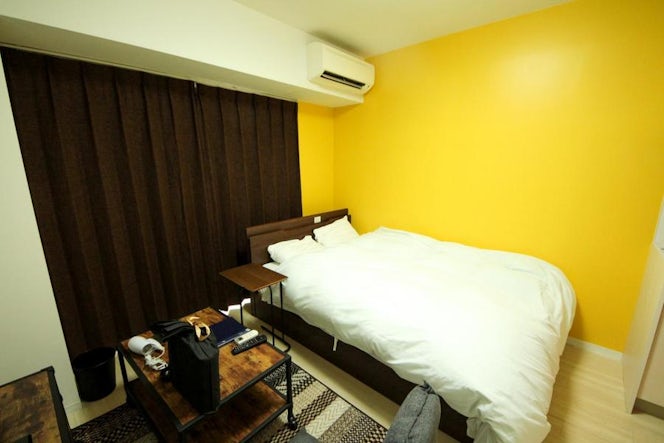
Recommended for those living for one month or longer] Furnished rooms with furniture and appliances are available! Shinsen station is a 4-minute walk away, making it easy to get around. We offer carefully cleaned rooms, over 60 basic furnishings, fixed Wifi, clean and comfortable rooms. *Facility and equipment items listed below may differ from the floor plan. All rooms in this property are non-smoking rooms. Please understand beforehand.
https://unito.life/property/6103
at Inn Shibuya 4
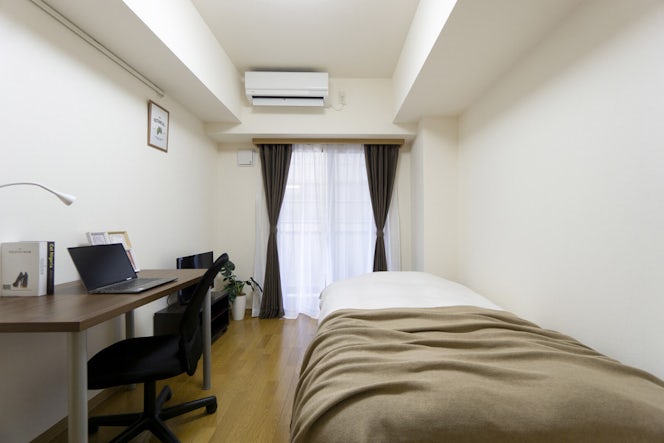
Recommended for those living for one month or longer.
Furnished rooms with furniture and appliances are available!
We offer carefully cleaned rooms,
We offer carefully cleaned rooms with more than 60 basic furnishings, fixed wifi, and clean and comfortable rooms.
https://unito.life/property/6104
at Inn Shibuya 1
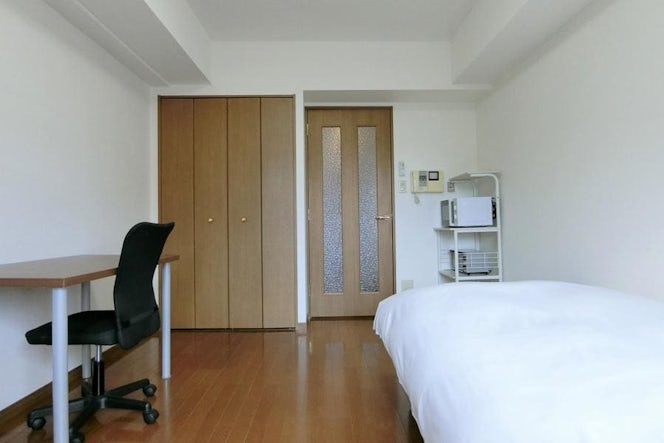
Recommended for those living for one month or longer.
Furnished rooms with furniture and appliances are available!
We offer carefully cleaned rooms,
We offer carefully cleaned rooms with more than 60 basic furnishings, fixed wifi, and clean and comfortable rooms.
https://unito.life/property/527
8_1 Conclusion
8_1 Key Takeaways for Renting a Monthly Apartment in Shibuya
- Flexibility: Monthly rentals provide short-term housing solutions without the need for a long-term commitment, ideal for temporary stays.
- Convenience: Fully furnished apartments with utilities and internet included allow for a hassle-free move-in experience.
- Variety of Neighborhoods: Shibuya’s diverse neighborhoods, such as Harajuku, Ebisu, and Daikanyama, offer different atmospheres, each catering to various lifestyles.
- Higher Costs: While convenient, monthly rentals can be more expensive than long-term leases, so budgeting is key.
8_2 Final Tips for a Successful Rental Experience
- Start Early: Given the high demand for monthly apartments in Shibuya, especially during peak tourist seasons, start your search as early as possible.
- Use Online Platforms: Websites and apps offer an easy way to compare apartment options and book your stay.
- Consult Real Estate Agents: If you need extra help navigating the rental market, working with a real estate agent who specializes in short-term leases can provide valuable guidance.
- Understand the Lease Terms: Always review the rental agreement carefully to ensure you understand all fees and conditions.
By keeping these tips in mind, you can find the perfect monthly apartment in Shibuya to suit your needs and enjoy a comfortable, flexible stay in one of Tokyo’s most exciting districts.
Unito 公式サイト