
Introduction
Japan, with its unique blend of traditional culture and advanced technology, is becoming an increasingly popular destination for digital nomads. As more professionals seek the freedom to work from anywhere, Japan offers a distinct experience that combines work, travel, and cultural immersion. This guide explores the aspects of digital nomad life in Japan, from understanding the essence of digital nomadism in this country to appreciating the myriad benefits of working remotely here. Whether you're a seasoned digital nomad or just beginning your journey, Japan has something special to offer.
Overview of Digital Nomadism in Japan
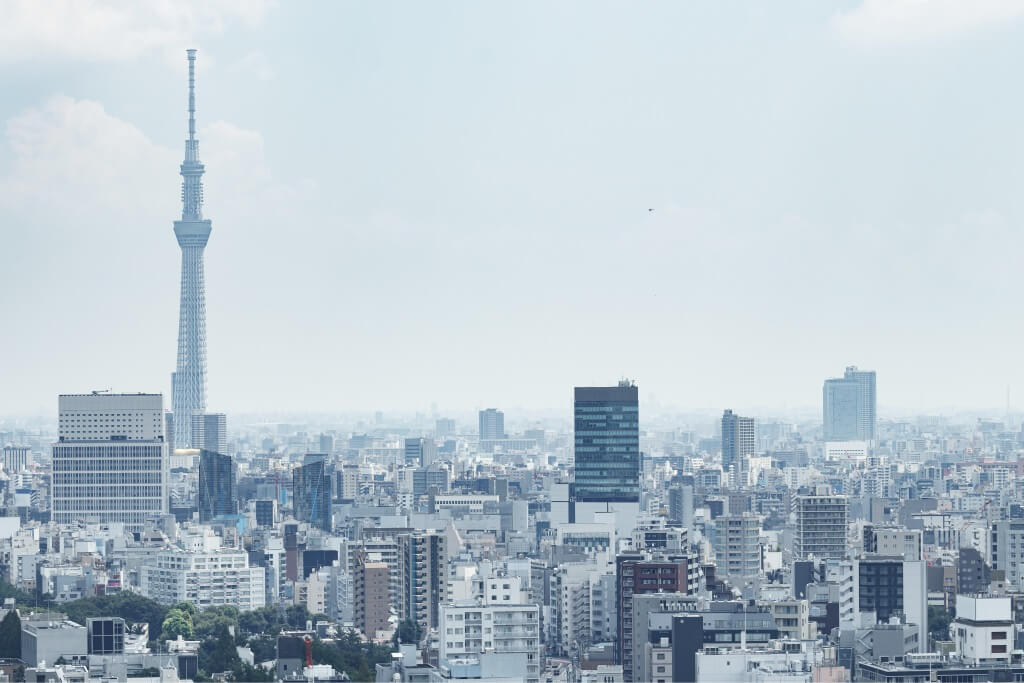
Digital nomadism in Japan is on the rise as professionals worldwide take advantage of remote work capabilities. Japan’s infrastructure, including its reliable internet connectivity, efficient public transportation, and high standard of living, makes it a compelling choice for those working remotely. Cities like Tokyo, Osaka, and Kyoto attract digital nomads with their blend of modern convenience and rich cultural heritage. Unlike many digital nomad hotspots, Japan offers a well-structured environment, making it easier to navigate everyday life.
Japan also offers diverse work environments suited to various work styles. From bustling coworking spaces in metropolitan areas to tranquil cafes in the countryside, the country has numerous options for digital nomads to remain productive and inspired. Furthermore, Japan's safety, cleanliness, and well-developed amenities are particularly appealing to digital nomads seeking stability alongside flexibility.
Benefits of Living in Japan as a Digital Nomad
Living in Japan as a digital nomad presents many benefits, especially for those seeking a balance between work and leisure. One of the main attractions is the opportunity to experience a culture vastly different from that of the Western world. From the minimalist aesthetics of Japanese design to the value placed on harmony and respect, immersion in Japanese culture can offer digital nomads a refreshing perspective.
Another advantage is Japan’s culinary landscape. Japanese cuisine is not only delicious but also offers a variety of healthy options that cater to different dietary needs. This helps digital nomads maintain a balanced lifestyle while exploring new flavors. Moreover, Japan’s commitment to quality means that digital nomads can enjoy high standards of living, with access to clean water, efficient public transportation, and healthcare services.
For nature lovers, Japan provides stunning landscapes, from the serene beaches of Okinawa to the snowy mountains of Hokkaido. Outdoor enthusiasts can enjoy weekend trips to the countryside, exploring activities like hiking, skiing, and hot spring visits. Japan's efficient transportation system makes it easy to travel, allowing digital nomads to explore various regions without interrupting their work schedules.
In addition, Japan offers numerous networking opportunities through its vibrant digital and tech communities, especially in urban centers like Tokyo. Connecting with locals and other expats can open doors to unique professional opportunities and collaborations, enriching the digital nomad experience in this dynamic country.
Finding the Right Location
Choosing the right location is essential for digital nomads seeking a balance between productivity, comfort, and cultural immersion in Japan. Japan offers a diverse range of settings, each with unique features that cater to different work and lifestyle preferences. From bustling urban centers to tranquil countryside escapes, there is a location in Japan for every type of digital nomad. This section explores some of the top cities for digital nomads, important factors to consider when selecting a location, and the local communities and networking opportunities available across Japan.
Top Cities for Digital Nomads in Japan
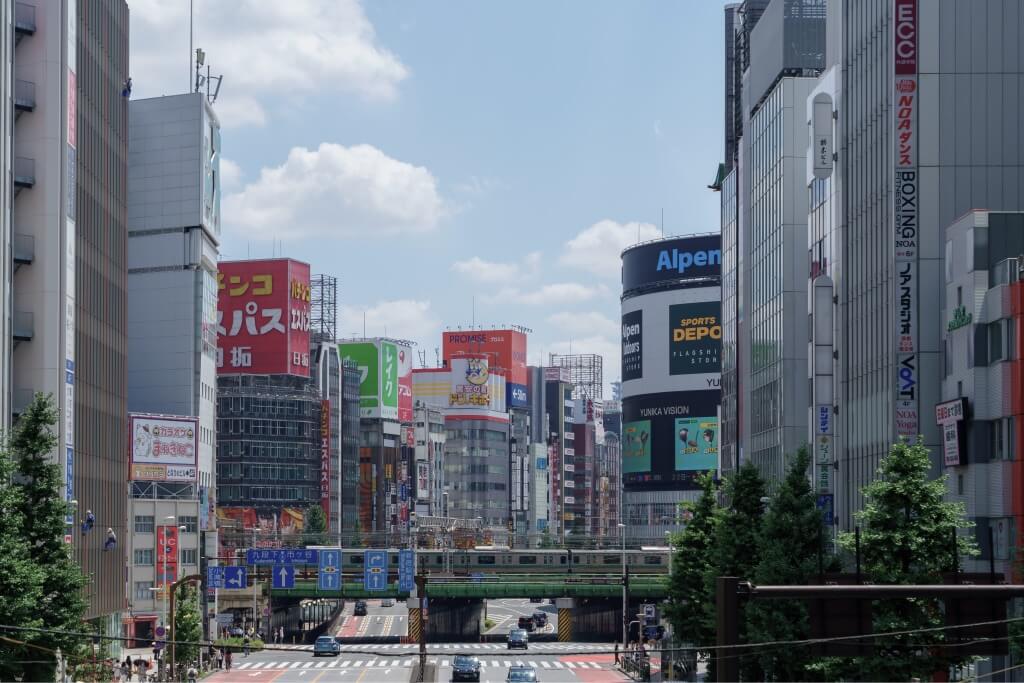
Japan has several cities that attract digital nomads due to their infrastructure, amenities, and cultural appeal. Tokyo, the capital city, is a popular choice for its high-tech environment, extensive coworking spaces, and diverse cultural experiences. Tokyo's various districts offer different vibes: Shibuya and Shinjuku are lively and bustling, while neighborhoods like Shimokitazawa and Koenji offer a more laid-back atmosphere.
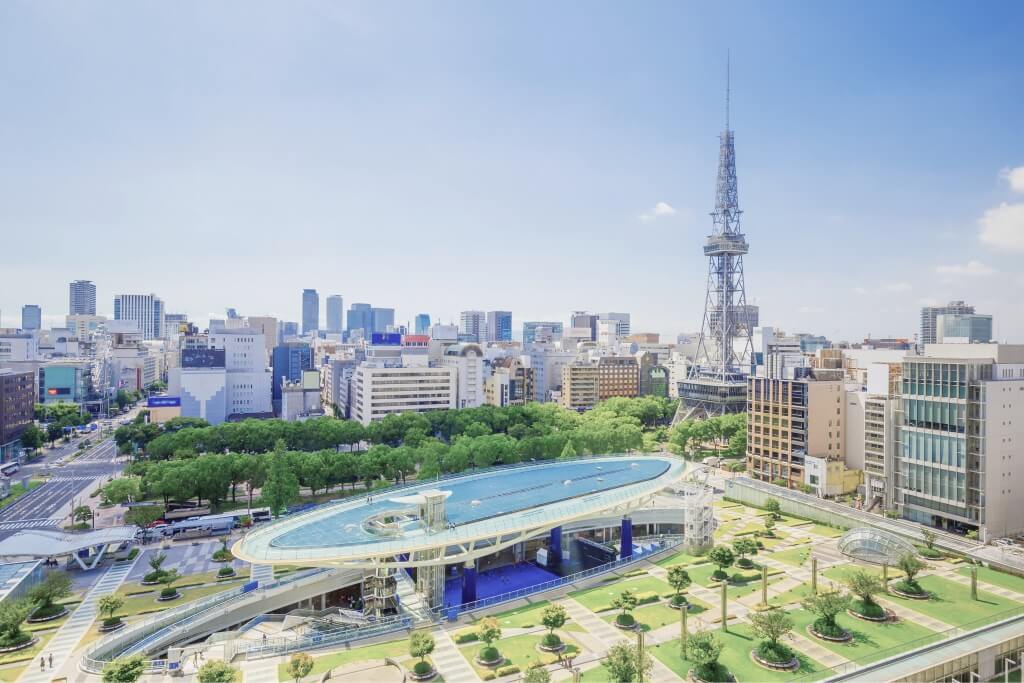
Osaka, another major city, is known for its friendly locals, vibrant food scene, and a slightly slower pace than Tokyo. It also has a variety of coworking spaces and cafes ideal for remote work. With its welcoming atmosphere and proximity to Kyoto and Nara, Osaka is perfect for those who wish to experience traditional Japanese culture alongside urban conveniences.
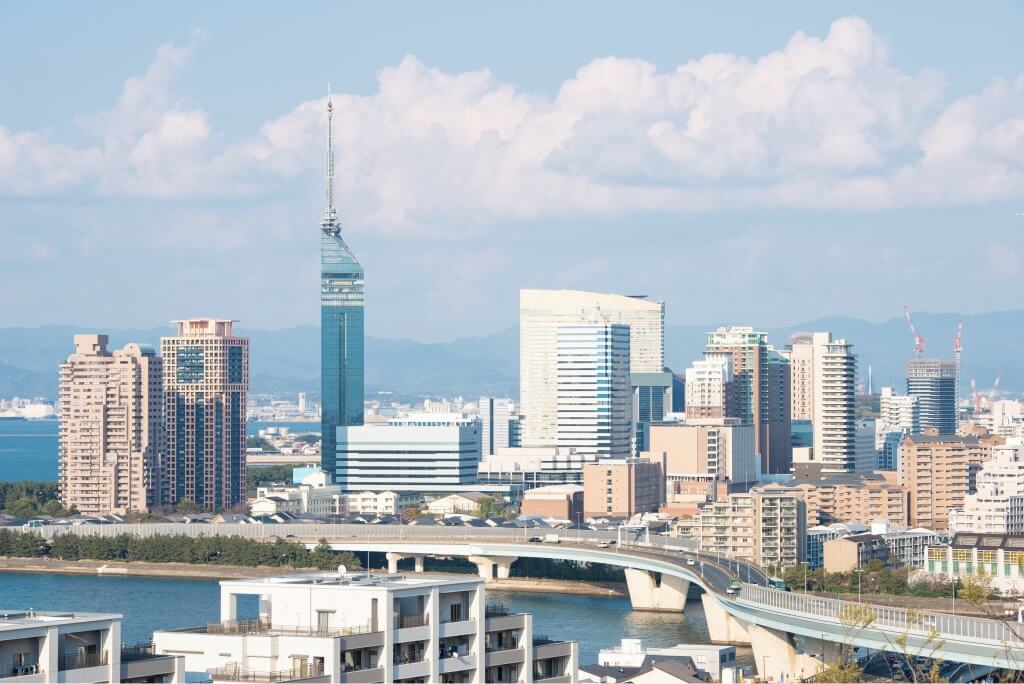
For those who prefer a quieter environment, Fukuoka on the southern island of Kyushu is an ideal option. Known for its relaxed pace, affordable living costs, and growing tech community, Fukuoka has quickly become a favored destination for digital nomads seeking a balance between work and leisure. Additionally, cities like Sapporo in Hokkaido offer access to nature and seasonal activities like skiing, making them ideal for outdoor enthusiasts.
Considerations for Choosing a Location
When choosing a location as a digital nomad in Japan, several factors come into play. Firstly, consider the cost of living. While Tokyo and Osaka offer numerous amenities, they tend to be more expensive than smaller cities. Fukuoka, for example, is often praised for its affordability compared to other major cities, making it ideal for those on a tighter budget.
Another factor to consider is the availability of coworking spaces and cafes suited for remote work. In larger cities, digital nomads will find an abundance of coworking spaces equipped with fast internet, comfortable seating, and professional amenities. However, in smaller towns, these spaces might be limited, requiring some research to ensure there are suitable work environments.
Additionally, accessibility to public transportation is essential. Japan’s public transportation system is highly efficient, making it easy to travel within and between cities. However, in more rural areas, options may be limited, so digital nomads should consider their commuting needs based on their work and lifestyle preferences.
The climate is another consideration, as Japan’s weather varies greatly by region. Those sensitive to cold may prefer the milder climates of southern Japan, while those who enjoy winter sports might find northern areas like Hokkaido more appealing.
Local Communities and Networking Opportunities
Networking is an essential part of the digital nomad experience, and Japan has a growing number of communities that cater to remote workers and expats. Tokyo, for instance, is home to numerous networking events, meetups, and digital nomad communities that provide opportunities to connect with other professionals. These gatherings are not only excellent for socializing but also for building professional connections.
In Osaka, there is a welcoming expat community that hosts regular events, making it easy for newcomers to integrate. Coworking spaces in Osaka and Fukuoka often organize workshops, seminars, and networking events, helping digital nomads learn new skills and expand their networks.
For those in more rural areas, online communities provide valuable networking opportunities. Platforms like Meetup, Facebook groups, and LinkedIn groups host virtual events where digital nomads across Japan can connect and share experiences. Additionally, some coworking spaces in major cities offer virtual memberships, enabling digital nomads to access resources and community support even if they are not based in the city.
Accommodation Options
Finding the right accommodation is a crucial aspect of living as a digital nomad in Japan. The country offers a wide range of housing options to suit different needs, budgets, and lengths of stay. From traditional Japanese housing to modern apartments and serviced residences, digital nomads can select an accommodation that aligns with their lifestyle and work requirements. This section delves into the types of accommodations available, how to use resources like Unito for finding rentals, the choice between short-term and long-term stays, budget considerations, and tips for securing accommodation in Japan.
Types of Accommodations Available
Japan’s accommodation options are diverse, catering to various preferences and budgets. For short-term stays, digital nomads may consider guesthouses or "share houses," where multiple residents share common spaces like kitchens and bathrooms. This type of housing is often more affordable and provides an opportunity to connect with other residents, both locals and fellow expats.
For those seeking a more private space, apartments are widely available, ranging from compact studios to larger multi-room units. Many apartments in Japan are fully furnished, making them ideal for digital nomads who plan to stay for a few months or longer. Another popular choice is serviced apartments, which come with additional amenities such as cleaning services, high-speed internet, and sometimes even coworking spaces. Serviced apartments provide a balance of comfort and convenience, especially for those on a tight work schedule.
Traditional Japanese accommodations, such as "ryokan" (Japanese-style inns), are also available, though they are typically used for short stays due to their higher costs. However, some digital nomads choose to stay in these traditional spaces temporarily for the cultural experience.
Using Unito for Finding Rentals
Unito is a platform that simplifies the rental search process for digital nomads and expats in Japan. With a wide range of properties tailored to short-term and long-term stays, Unito caters specifically to foreign residents, making it easier to navigate Japan’s rental market. Unlike traditional rental agencies, Unito often does not require a Japanese guarantor or extensive documentation, which can be a significant advantage for digital nomads who are new to Japan.
Through Unito, digital nomads can find accommodations that suit their needs and budget, whether they are looking for a furnished apartment in Tokyo or a shared house in Osaka. The platform’s listings are regularly updated and include various amenities, allowing digital nomads to filter results according to preferences like internet connectivity, proximity to public transport, and price range. Unito also offers support in English, which is beneficial for non-Japanese speakers navigating the rental process.
Short-Term vs. Long-Term Stays
One of the key decisions digital nomads face is whether to opt for short-term or long-term accommodation. Short-term stays, which usually range from a few weeks to a few months, are ideal for those who plan to explore multiple cities or are unsure of how long they will stay in Japan. These accommodations are typically furnished and may offer flexible lease terms, allowing digital nomads to adapt their plans as they go.
Long-term stays, on the other hand, are suited for digital nomads who plan to stay in Japan for six months or longer. Long-term leases often come with lower monthly rates compared to short-term rentals, making them more economical for extended stays. However, securing a long-term lease may require additional paperwork, including a Japanese bank account and potentially a guarantor. Digital nomads who opt for long-term stays often enjoy the benefits of settling into a community and having a more personalized living space.
Budget Considerations
Accommodation costs in Japan vary significantly depending on the city, neighborhood, and type of housing. Major cities like Tokyo and Osaka have higher rental prices, especially in central areas, while smaller cities and suburban regions tend to be more affordable. Digital nomads should consider their budget carefully and factor in additional costs, such as utilities and internet.
For those on a budget, shared houses or guesthouses can be a cost-effective option. Renting a private apartment may be more expensive but provides privacy and space, making it a worthwhile choice for those with a flexible budget. In cities like Fukuoka or Sapporo, accommodation costs are generally lower, allowing digital nomads to enjoy a comfortable lifestyle without the high costs associated with larger cities.
Tips for Securing Accommodation
Securing accommodation in Japan can be straightforward with the right approach. First, it’s advisable to start the search early, as popular areas and affordable options tend to get booked quickly, especially in metropolitan areas. Platforms like Unito can be helpful in simplifying the search process and providing options catered to foreign residents.
Understanding the rental requirements is also essential. While short-term accommodations are generally easier to secure, long-term leases may require additional documentation, such as proof of income or a local guarantor. It’s also beneficial to familiarize oneself with the unique rental practices in Japan, such as "key money" (a non-refundable fee paid to the landlord) and agency fees, which may increase the initial costs.
Finally, digital nomads should consider using online forums and expat communities to gather insights and recommendations on specific areas and rental experiences. Many foreign residents share valuable advice on navigating the housing market, making it easier for newcomers to make informed decisions.
Working Remotely in Japan
Working remotely in Japan presents a unique blend of modern conveniences and cultural nuances. The country’s advanced infrastructure, extensive coworking options, and reliable internet make it an attractive destination for digital nomads. However, understanding the work-life balance embedded in Japanese culture can provide valuable insights for a more rewarding experience. This section explores the available coworking spaces and cafes for remote work, internet connectivity across the country, and the principles of work-life balance in Japanese culture.
Coworking Spaces and Cafes
Japan has a thriving coworking culture, particularly in major cities like Tokyo, Osaka, and Fukuoka. Coworking spaces are designed to meet the needs of digital nomads, providing high-speed internet, comfortable seating, and private meeting rooms. Spaces like WeWork, Impact Hub, and Regus are widely available in urban centers, offering a professional environment and networking opportunities for freelancers and entrepreneurs.
In addition to coworking spaces, cafes are also popular spots for remote work. Japan is home to numerous cafes, ranging from quiet, minimalist tea houses to trendy coffee shops with vibrant atmospheres. Many cafes, especially in Tokyo and Osaka, offer free Wi-Fi and power outlets, making them suitable for remote work. However, it’s important to be mindful of cafe etiquette in Japan; most cafes prefer patrons to order at least one item per hour and avoid occupying large tables during peak hours.
In smaller towns or suburban areas, coworking spaces may be limited, but local libraries and community centers often offer quiet spaces where digital nomads can work. Some temples and ryokan (Japanese inns) have also started offering workspaces as part of an initiative to support remote workers in scenic and peaceful environments.
Internet Connectivity
Japan is renowned for its fast and reliable internet connectivity, which is essential for digital nomads who rely on seamless online access. Most coworking spaces, hotels, and rental apartments come equipped with high-speed internet. In urban areas, fiber-optic connections provide download speeds of up to 1 Gbps, allowing for smooth video calls, large file uploads, and uninterrupted streaming.
For those who work from cafes or remote areas, portable Wi-Fi devices are widely available for rent and provide an excellent backup option. These devices can be rented from major airports, electronics stores, and online platforms, and they offer 4G LTE coverage across the country. Another option for staying connected is purchasing a local SIM card with a data plan, available through mobile carriers such as NTT Docomo, SoftBank, and au.
Even in rural areas, Japan’s internet coverage is extensive, though speeds may vary depending on the region. Digital nomads planning to work in more remote locations should check local connectivity options in advance. Overall, Japan’s infrastructure ensures that digital nomads can stay connected and productive across the country.
Work-Life Balance in Japanese Culture
Understanding work-life balance within the context of Japanese culture can enhance the experience of working remotely in Japan. Traditionally, Japan has been known for its diligent work ethic, with long hours and a strong emphasis on dedication to one’s job. However, in recent years, Japan has made significant strides in promoting a healthier work-life balance. The government has implemented initiatives like “Premium Friday,” encouraging employees to leave work early on the last Friday of each month, and some companies are adopting more flexible work policies.
For digital nomads, this cultural shift presents an opportunity to experience a balanced lifestyle while respecting local values. Japanese society values punctuality and discipline, which can be beneficial for those who prefer a structured workday. On the other hand, the country’s appreciation for leisure and relaxation is reflected in its many hot springs, parks, and recreational facilities, allowing digital nomads to unwind after a productive day.
Being mindful of cultural norms, such as maintaining a quiet work environment and respecting others’ space, can enhance interactions in coworking spaces and cafes. Embracing Japan’s balance of hard work and relaxation can provide digital nomads with a rewarding work experience, blending productivity with cultural enrichment.
Legal Considerations
For digital nomads in Japan, understanding the legal landscape is essential to ensure a smooth and compliant stay. Japan has specific visa categories, tax policies, healthcare requirements, and local regulations that affect foreign residents, including those working remotely. This section explores visa options available for digital nomads, tax implications, healthcare and insurance requirements, and important local laws and regulations to be aware of while living and working in Japan.
Visa Options for Digital Nomads
Currently, Japan does not offer a specific digital nomad visa, but there are several visa options that digital nomads can explore based on the nature and duration of their stay. The tourist visa, which allows stays of up to 90 days for many nationalities, is suitable for digital nomads who plan on a short-term stay and do not engage in local business activities. It’s essential, however, to avoid conducting paid work for a Japanese entity on a tourist visa, as this could lead to complications.
For longer stays, the Business Manager Visa may be an option for digital nomads interested in establishing a business or startup in Japan. This visa requires setting up a company with a physical office in Japan, which can be a more complex and costly process but provides a pathway to a long-term stay. The Engineer/Specialist in Humanities/International Services Visa is another potential route, often applicable to remote workers with specialized skills who can secure a sponsorship from a Japanese company.
Lastly, Japan also offers a Highly Skilled Professional Visa for individuals with advanced qualifications, such as a high degree of education or specific professional experience. This visa is designed to attract skilled talent and offers benefits like extended stay periods and the ability to bring family members. For digital nomads meeting these criteria, this visa could offer greater flexibility and stability.
Tax Implications
Digital nomads staying in Japan for an extended period should understand the tax implications of their stay. Japan uses a residency-based tax system, meaning that individuals who stay in Japan for over 183 days in a year are generally considered tax residents and may be required to pay income tax on their worldwide earnings. For non-residents, only Japanese-sourced income is typically subject to tax.
Tax rates in Japan vary based on income level and are progressive, ranging from 5% to 45% for residents. Non-residents are usually taxed at a flat rate of 20.42% on Japanese income. Additionally, digital nomads should check for any tax treaties between Japan and their home country, as these can help avoid double taxation by providing credits for taxes paid in Japan.
To comply with tax obligations, digital nomads should keep thorough records of their income, length of stay, and any other relevant financial information. Consulting with a tax professional familiar with Japanese regulations is advisable to ensure compliance and understand potential liabilities.
Healthcare and Insurance
Healthcare is an essential consideration for digital nomads in Japan. Japan has a comprehensive healthcare system, with public health insurance available to all residents, including foreigners with long-term visas. Digital nomads staying in Japan for over three months are typically required to enroll in the National Health Insurance (NHI) system, which covers a significant portion of medical expenses, with the individual covering approximately 30%.
The NHI system provides affordable access to high-quality healthcare facilities across Japan, making it ideal for digital nomads staying in the country for an extended period. However, those on a short-term stay may need to rely on travel insurance or private health insurance that covers medical expenses in Japan. Private insurance is also available for those who want additional coverage beyond what NHI offers, such as international medical evacuation.
Digital nomads are encouraged to secure adequate health insurance before arrival or upon settling in Japan, as medical expenses can be costly without coverage. Additionally, having health insurance provides peace of mind in case of any unexpected medical needs during their stay.
Local Laws and Regulations
Japan has several local laws and regulations that digital nomads should be aware of to ensure a respectful and compliant stay. One of the most important regulations for foreigners is the requirement to carry their Residence Card or passport at all times. Random checks by authorities are not uncommon, and failure to present identification can lead to fines.
Digital nomads should also be mindful of Japan’s strict drug laws, as even some over-the-counter medications permitted in other countries may be illegal in Japan. It’s advisable to research any medications in advance and, if necessary, obtain proper documentation or approval for personal use.
Another key regulation involves renting accommodations. Japanese rental contracts often include specific clauses and cultural norms, such as respecting noise levels and avoiding modifications to the property. Understanding these expectations and following them closely helps maintain a positive relationship with landlords and neighbors.
Japan also has strict rules regarding public behavior, such as prohibiting loud phone conversations on public transport and enforcing proper waste disposal practices. Observing these rules is essential, as they reflect the cultural values of respect and consideration that are deeply ingrained in Japanese society.
Cultural Adaptation
Adjusting to Japanese culture can be a rewarding experience for digital nomads, offering insights into a society that values harmony, respect, and tradition. However, cultural adaptation also requires a willingness to embrace differences and learn new ways of interacting and communicating. This section covers some of the key aspects of adapting to life in Japan, including overcoming language barriers, understanding local customs, and building meaningful relationships with locals.
Language Barriers
One of the primary challenges digital nomads may face in Japan is the language barrier. While English is widely taught in Japanese schools, many Japanese people may feel hesitant to use it, and outside of major cities, English proficiency can be limited. For digital nomads unfamiliar with the Japanese language, navigating daily life, reading signs, and communicating in local businesses can be challenging.
To ease this transition, learning basic Japanese phrases can be incredibly helpful. Simple expressions like greetings, thanking others, and asking for help can go a long way in demonstrating respect and making daily interactions smoother. Mobile translation apps, like Google Translate, can also be useful for real-time communication, especially when it comes to reading menus or understanding instructions.
Many language schools and online platforms offer beginner Japanese courses, which can be beneficial for digital nomads staying long-term. Understanding even a small amount of Japanese can enhance the overall experience and provide a deeper connection to the culture and people in Japan.
Understanding Local Customs
Japan is known for its rich traditions and unique social customs, which play an important role in daily interactions. Understanding and respecting these customs can make the adjustment process smoother and show appreciation for Japanese culture. For example, bowing is a common gesture of respect in Japan, used in greetings, farewells, and expressions of gratitude. Observing and practicing the appropriate degree of bowing helps convey respect to locals.
Another key custom is removing shoes when entering homes and certain establishments. It’s customary to take off shoes at the entrance and wear indoor slippers provided by the host or the establishment. Digital nomads should be mindful of this practice to avoid unintentionally causing offense.
In public spaces, maintaining a low noise level and observing proper etiquette is valued. Talking loudly on mobile phones, particularly on public transport, is considered impolite. Additionally, waiting in line and respecting personal space are essential practices in Japanese society, particularly in crowded areas like train stations and elevators.
Building Relationships with Locals
Building relationships with locals can greatly enhance a digital nomad’s experience in Japan, offering opportunities for cultural exchange and a sense of community. Japanese society places a strong emphasis on politeness, respect, and modesty in social interactions, and understanding these values can help foster positive relationships.
While it may take time to build deeper friendships, many Japanese people are open to sharing their culture with foreigners. Participating in local events, joining clubs, or attending language exchange meetups are great ways to meet locals and learn about Japanese customs firsthand. Digital nomads may also find it helpful to connect with Japanese professionals through coworking spaces, as these spaces often host networking events that encourage interaction between locals and foreigners.
In Japanese social culture, showing genuine interest in the culture, food, and customs is appreciated, as is a modest approach to one’s own background. Engaging in these types of exchanges with respect and openness helps to build trust and understanding, creating a mutually enriching experience for both locals and digital nomads.
Resources for Digital Nomads
Navigating life as a digital nomad in Japan can be made significantly easier with the right resources. From connecting with online communities to utilizing useful apps, there are numerous tools and platforms available to support digital nomads in settling into their new environment. This section explores valuable resources, including online communities and forums, essential apps for daily life in Japan, and helpful websites for finding accommodation.
Online Communities and Forums
Online communities and forums are invaluable for digital nomads, providing a space to ask questions, share experiences, and connect with others in similar situations. Platforms like Facebook and Reddit have various groups dedicated to digital nomads, expats, and travelers in Japan. Groups such as “Tokyo Digital Nomads” and “Japan Expats” offer advice on everything from finding coworking spaces to understanding local customs. These communities are especially helpful for newcomers who may need guidance on navigating everyday challenges in Japan.
Meetup is another excellent resource for connecting with like-minded individuals. Many cities in Japan, especially Tokyo, have regular Meetup events specifically for digital nomads and expats. These events provide a great opportunity to network, make friends, and participate in cultural and professional activities.
Additionally, Japan-specific forums, like GaijinPot and Japan Guide, provide comprehensive information on living in Japan, including work, housing, and local customs. These forums often have active user bases, so digital nomads can gain insights from those who have lived in Japan for an extended period.
Apps and Tools for Living in Japan
There are numerous apps that can make daily life in Japan more convenient and accessible for digital nomads. For navigating Japan’s extensive public transportation system, apps like Japan Transit Planner and Google Maps are essential. These apps provide detailed route information, schedules, and fare estimates, making it easy to travel around cities and between regions.
For language assistance, Google Translate and DeepL are useful for real-time translation of text and conversations, especially for those not fluent in Japanese. Additionally, the Line app is Japan’s most popular messaging platform, widely used for both social and professional communication. Having Line installed can help digital nomads stay connected with local contacts and join group chats for events and activities.
Other useful apps include PayPay and Suica, which allow for cashless payments in stores and public transport. For grocery shopping, apps like Rakuten and Amazon Japan offer delivery services, and Uber Eats and Demae-Can provide convenient options for food delivery. These tools help digital nomads save time and manage daily tasks more efficiently.
Helpful Websites for Finding Accommodation
Finding accommodation in Japan can be simplified by using dedicated rental websites that cater to foreigners and digital nomads. Unito is a popular platform that specializes in short-term rentals without the need for a Japanese guarantor, making it an excellent option for digital nomads seeking flexibility. The website offers listings for various types of housing, including furnished apartments, share houses, and guesthouses.
For those looking for long-term stays, GaijinPot Housing and Suumo are comprehensive platforms that provide listings across Japan. These websites offer English language support and detailed information on rental requirements, making the search process easier for non-Japanese speakers. Airbnb is also a viable option for short-term stays, offering a range of accommodations from private apartments to traditional Japanese homes.
With these resources, digital nomads can efficiently find suitable accommodation that meets their budget and location preferences, allowing them to focus more on exploring and working in Japan without housing concerns.
Apartments for Rent in Japan
Sugusumu Azabujuban by unito
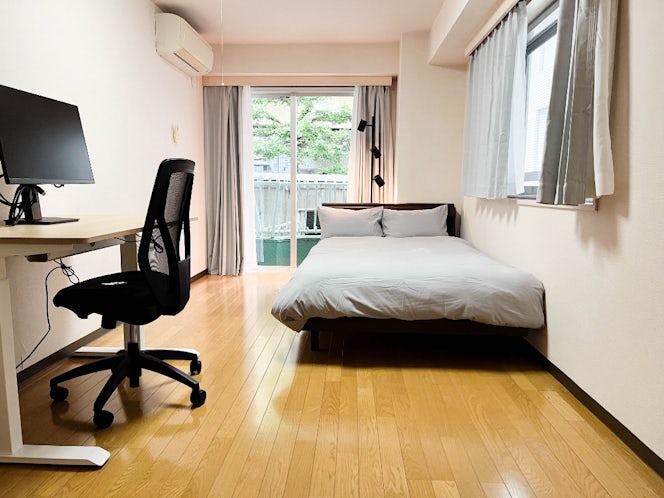
Access: 1 minute walk from Azabu-juban Station on Tokyo Metro Namboku Line
Equipment: Bath (shower), toilet, kitchen, bed, stove (including IH), air conditioner, washing machine (free of charge), refrigerator, desk (for work) included
Room Features: Standard furniture and appliances such as beds, washing machines, and refrigerators, of course. Some rooms are equipped with elevating desks, work chairs, and monitors! Recommended for remote work!
Security: All rooms are on the 2nd floor. There is a door that requires a key to enter the hallway where the rooms are located from the 2nd floor.
URL: https://unito.life/property/16186
unito Residence Kyoto Takasegawa
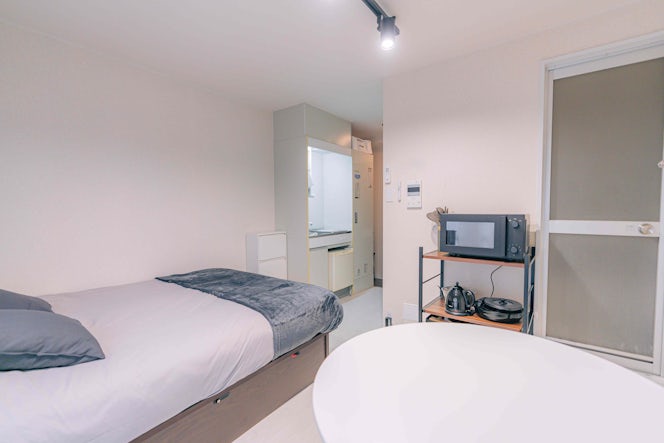
Access: 3 min. walk from Shimizu Gojo Sta. on the Keihan Main Line / 10 min. walk from Shichijo Sta. on the Keihan Main Line
Equipment: Bed, bath (shower) and toilet, kitchen, futon, kitchen utensils, stove (including IH), air conditioner, bathroom utensils (shampoo and body soap), washing machine (free), refrigerator included
There are many world-famous and famous temples and shrines, historic sites, important cultural assets, etc., including Kiyomizu-dera Temple, where you can enjoy taking a walk! It is also very accessible to Osaka along the Keihan railway line, and it is possible to go to JR Kyoto Station and Shijo Kawaramachi on foot! Away from the downtown area, you can spend your time quietly at night ♩
There are supermarkets, pharmacies, and coin laundromats in the neighborhood. Also, many convenience stores are very convenient!
You can also walk or ride a bicycle to Shijo-Kawaramachi, where there are many department stores, and you can get everything you need.
Rooms 1, 2, and 3 face the Takase River, so you can enjoy the view!
URL: https://unito.life/property/13215
Sugusumu Otemachi by unito
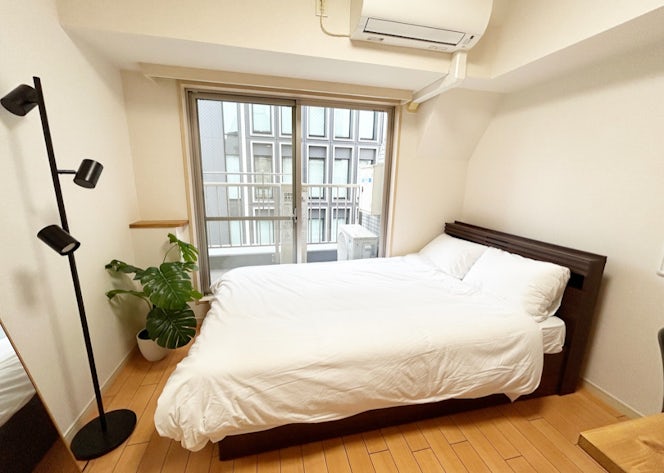
Access: 4 min. walk from Kanda Station on JR Yamanote Line / 5 min. walk from Otemachi Station on Tokyo Metro Marunouchi Line
Equipment: Bed, bath (shower) and toilet, kitchen, living room, stove (including IH), air conditioner, washing machine (free of charge), refrigerator, desk (for work) included
Not to mention standard furniture and appliances such as beds, washing machines, and refrigerators. All rooms have wood flooring, air conditioning, independent washstands, and other amenities to enrich your life. In addition, the apartments are equipped with auto-locks and delivery boxes, allowing you to live comfortably and safely even during your busy days. It is also recommended for remote working!
The building is conveniently located just a 4-minute walk from Kanda Station and a 6-minute walk from Otemachi Station. Although it is in a business district, you can relax in a quiet environment.
URL: https://unito.life/property/16202
Conclusion
Living as a digital nomad in Japan offers a unique blend of cultural richness, modern amenities, and a welcoming environment for remote work. The country’s balance of tradition and innovation provides an inspiring backdrop for those seeking to merge work and travel, allowing digital nomads to experience a new culture while maintaining their productivity. With resources readily available to support this lifestyle, Japan has become an appealing destination for those looking to expand their horizons.
Final Thoughts on Being a Digital Nomad in Japan
Japan’s allure for digital nomads lies in its harmonious blend of structure and spontaneity. The country offers everything from cutting-edge technology and reliable infrastructure to tranquil spaces for relaxation and reflection. Adapting to Japanese culture and embracing the local lifestyle can deepen the digital nomad experience, creating a balance of work and personal growth that many find fulfilling.
However, being a digital nomad in Japan does come with unique challenges, from language barriers to understanding local customs. For those willing to learn and adapt, these challenges can become some of the most rewarding aspects of their journey. Japan’s emphasis on respect and cooperation also provides valuable lessons that digital nomads can carry with them long after their stay.
Encouraging Exploration and Flexibility
Embracing a mindset of exploration and flexibility is key to making the most of a digital nomad journey in Japan. From discovering new cities and rural towns to engaging with local communities, digital nomads have countless opportunities to enrich their experiences. The country’s efficient transportation system and diverse landscapes make it easy to explore beyond the major cities, whether it’s visiting a peaceful onsen town or hiking in the Japanese Alps.
Remaining open to new experiences, both in work and daily life, allows digital nomads to fully appreciate the depth of what Japan has to offer. Adapting to Japanese culture and exploring the country’s various facets can lead to personal growth and lasting memories. For digital nomads seeking both stability and adventure, Japan is a destination that invites curiosity, learning, and a spirit of openness.