
1_1 Introduction
1_1 Overview of Bunkyo Ward
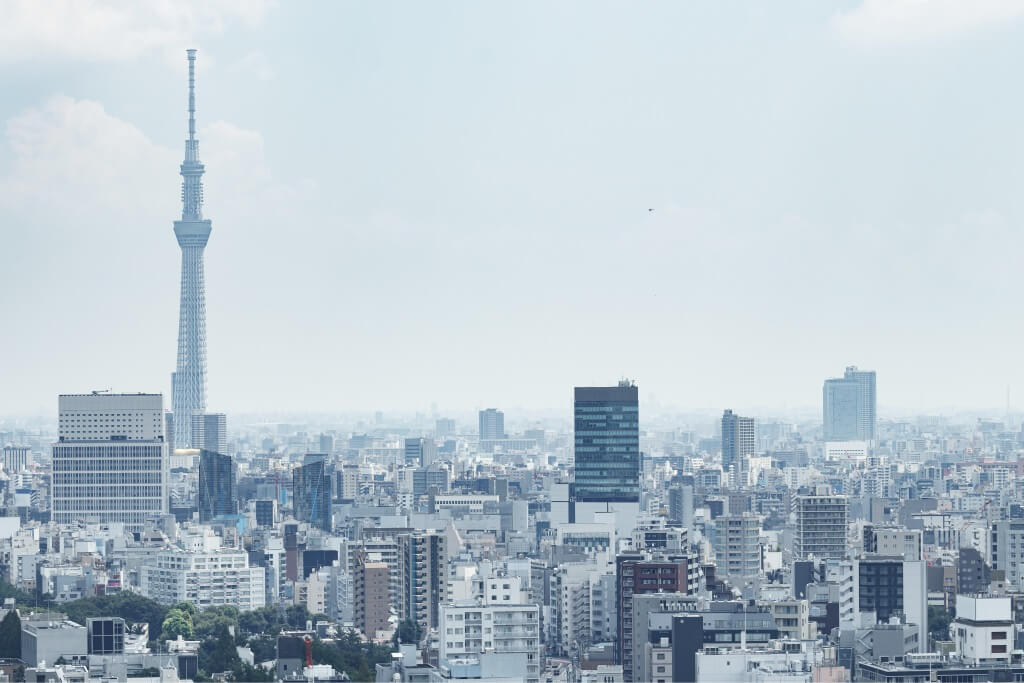
Bunkyo Ward is a central area in Tokyo, bordered by other key wards such as Chiyoda, Shinjuku, and Taito. The area is renowned for its prestigious universities, including the University of Tokyo and Ochanomizu University, which attract many international students and researchers. Bunkyo also boasts a rich cultural heritage, with landmarks like Tokyo Dome and Koishikawa Korakuen Garden, making it an appealing location for leisure and business alike.
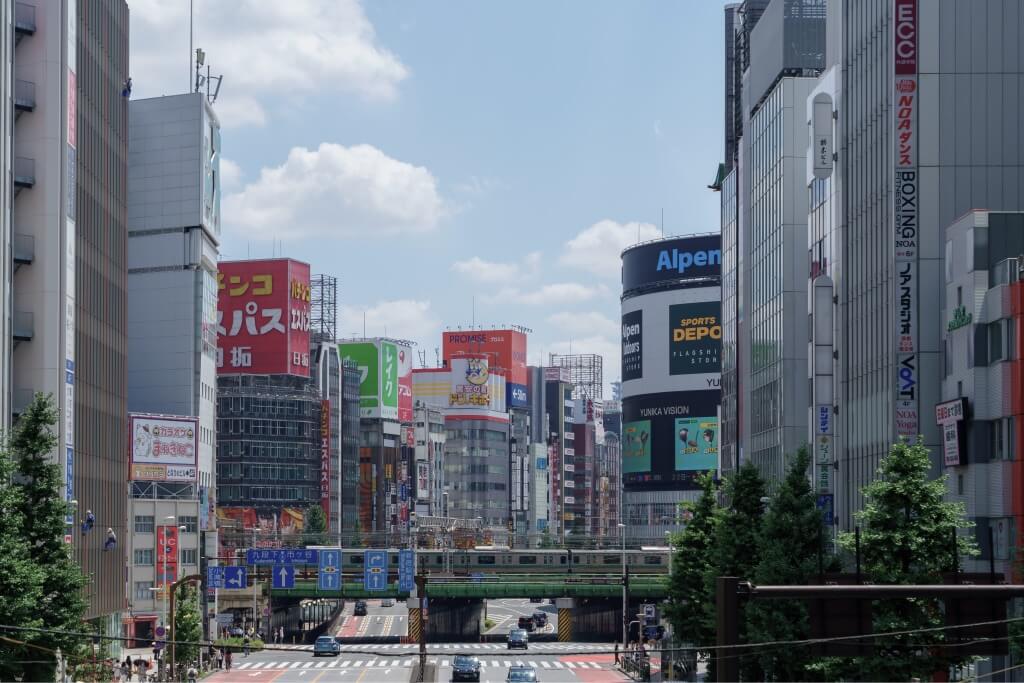
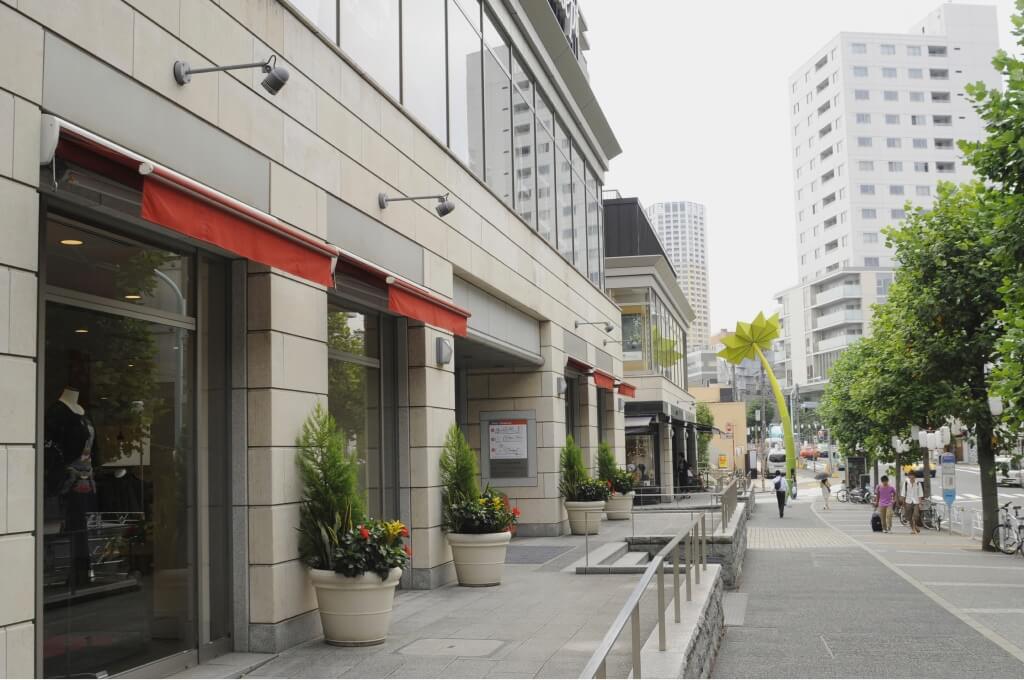
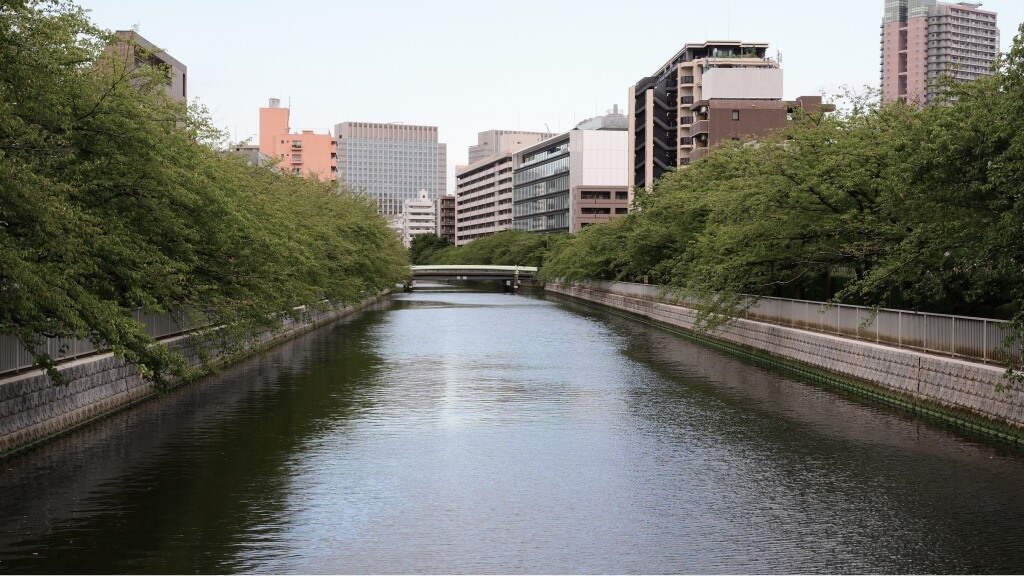
Unlike the bustling, high-rise cityscape of Shinjuku or Shibuya, Bunkyo offers a more laid-back atmosphere. The ward is home to quiet residential areas, parks, and historical sites, providing a peaceful living environment amidst the urban sprawl.
1_2 The Appeal of Living in Bunkyo
Living in Bunkyo is ideal for those who appreciate a balance between tranquility and urban convenience. The ward is known for its safety, cleanliness, and access to a range of facilities that cater to different lifestyles. Families will find Bunkyo’s proximity to parks, schools, and hospitals particularly appealing, while students and professionals will appreciate the accessibility to universities and business districts.
Bunkyo is well-connected by multiple train lines, ensuring easy commutes to other parts of Tokyo. The ward’s unique combination of academic prestige, greenery, and residential comfort makes it a sought-after location for long-term stays.
2_1 Real Estate Trends in Bunkyo
2_1 Recent Property Market Trends
The real estate market in Bunkyo has seen steady growth in recent years, thanks to its reputation as an academic and cultural hub. While property prices here are generally lower than in neighboring Minato or Shinjuku, they are gradually increasing due to the ward’s growing popularity among expatriates and locals alike.
With more foreign professionals and students choosing Bunkyo for its balanced lifestyle, there has been a rise in demand for rental apartments, especially those that cater to long-term stays. The area’s real estate market is stable, offering opportunities for both renting and buying, depending on individual needs.
2_3 Average Apartment Prices
The average rent for apartments in Bunkyo varies depending on the type and size of the apartment, as well as its proximity to train stations. As of recent data, studio apartments (1R or 1K) typically range between ¥100,000 and ¥150,000 per month. Larger apartments, such as 1LDK (one-bedroom with living and dining areas), start around ¥180,000 and can go up to ¥300,000 or more, especially for properties closer to the center or in luxury buildings.
These prices make Bunkyo a more affordable option compared to areas like Minato, where rents for similar-sized apartments tend to be significantly higher. Despite its central location and amenities, Bunkyo offers a competitive real estate market for expatriates and long-term visitors.
2_4 Types of Apartments Available
Bunkyo offers a wide variety of apartments that cater to different needs and preferences. From compact studios perfect for solo travelers or students to larger family-sized apartments, there are numerous options available. Many buildings in Bunkyo are modern, equipped with essential amenities such as air conditioning, elevators, and high-speed internet.
In addition to standard apartment buildings, Bunkyo also features some serviced apartments, which provide hotel-like services such as housekeeping and concierge services. These are ideal for expatriates or professionals who require a higher level of convenience.
3_1 Apartment Search Tips in Bunkyo
3_1 How to Find the Right Apartment
When searching for an apartment in Bunkyo, it’s important to first define your priorities. Consider factors such as proximity to public transport, the size of the apartment, and your budget. Websites that specialize in apartment listings for expatriates can be a useful tool, offering listings in English and detailing the amenities available.
Working with a real estate agent familiar with the area is also recommended, as they can help navigate the rental process, particularly for those unfamiliar with Japanese real estate procedures. Agents can assist with paperwork, negotiate rental terms, and ensure you find a property that suits your specific needs.
3_2 Recommended Neighborhoods
Bunkyo is home to several well-known neighborhoods, each with its own unique character. The area around Hongo, home to the University of Tokyo, is popular with students and academics. It has a lively atmosphere with numerous bookstores, cafes, and restaurants catering to the university crowd.
Koishikawa is another appealing neighborhood, known for its green spaces, including Koishikawa Korakuen Garden. It’s a peaceful residential area that’s ideal for families or anyone looking for a quieter environment.
Sengoku and Hakusan are residential neighborhoods with a mix of traditional houses and modern apartment buildings. They are well connected to public transport and offer easy access to the rest of Tokyo, making them convenient choices for professionals.
3_3 Proximity to Public Transport
Bunkyo is well-served by several major train lines, including the Marunouchi Line, Namboku Line, and Chiyoda Line. Suidobashi and Korakuen stations offer convenient access to Tokyo's central business districts, while other areas like Myogadani provide quick connections to Shinjuku and Ikebukuro.
When choosing an apartment, proximity to a train station is a key factor to consider. Apartments located near major stations tend to be more expensive, but the convenience of being close to public transportation can significantly enhance your daily commute and overall living experience.
3_4 Family-Friendly vs. Single Living Options
Bunkyo caters to a wide range of demographics, from single expatriates to families with children. If you are looking for a family-friendly apartment, consider areas near parks or schools, such as Koishikawa or Otsuka. These neighborhoods provide larger apartments with easy access to green spaces and recreational facilities.
For single expatriates or students, smaller apartments in areas like Hongo or Kasuga may be more suitable. These areas offer compact, affordable apartments within walking distance of universities, cafes, and public transport.
3_5 Key Factors to Consider
When searching for an apartment in Bunkyo, several factors should influence your decision. Apart from budget and proximity to transportation, consider the building’s age and facilities. Newer buildings often offer better earthquake resistance and modern amenities such as parking, bicycle storage, and security systems.
Also, check whether the apartment is furnished or unfurnished. While most long-term rentals in Japan are unfurnished, some properties catering to expatriates come fully furnished, offering added convenience for those planning shorter stays.
4_1 Living Experience in Bunkyo Apartments
4_1 Lifestyle and Amenities
Bunkyo offers a comfortable and convenient lifestyle, with easy access to essential amenities like supermarkets, pharmacies, and convenience stores. Most apartment buildings in the ward are equipped with modern facilities such as secure entry systems, elevators, and in some cases, gyms or rooftop gardens.
The ward also has a vibrant dining scene, with a wide range of restaurants, cafes, and izakayas to explore. Whether you’re looking for traditional Japanese cuisine or international options, Bunkyo’s neighborhoods cater to diverse tastes.
4_2 Nearby Parks and Green Spaces
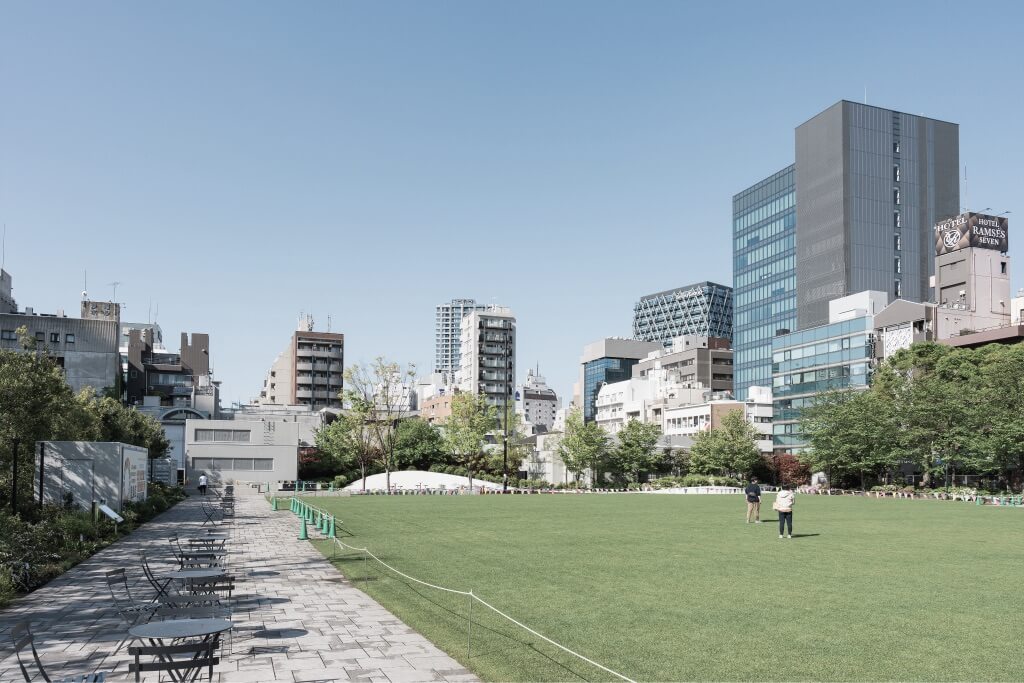
One of Bunkyo’s greatest strengths is its abundance of parks and green spaces. Koishikawa Korakuen and Rikugien Gardens are two of Tokyo’s most famous traditional gardens, offering serene spots for relaxation or weekend picnics. Smaller neighborhood parks, such as Hongo Central Park, provide residents with outdoor areas for jogging, playing sports, or spending time with family.
For nature lovers, living in Bunkyo provides the perfect balance between urban convenience and natural beauty.
4_3 Schools and Education Options
Bunkyo is known for its excellent educational institutions, including some of the most prestigious schools and universities in Japan. Families with children will appreciate the wide range of local and international schools in the area. Myogadani and Ochanomizu neighborhoods, in particular, are home to several reputable schools, making them ideal locations for families seeking quality education options.
For international students, the proximity to major universities, such as the University of Tokyo, makes Bunkyo a top choice for accommodation. The ward’s academic environment also supports a range of libraries, study spaces, and research centers, making it an ideal place for scholars and researchers.
5_1 Commuting from Bunkyo
5_1 Major Train Lines
Bunkyo is served by several major Tokyo Metro and JR train lines, which provide easy access to the rest of the city. The Marunouchi Line and Namboku Line are particularly useful for getting to business districts like Otemachi, Shinjuku, and Roppongi. The Chiyoda Line connects Bunkyo to central Tokyo, while the JR Yamanote Line offers access to major stations like Tokyo, Ueno, and Ikebukuro.
In addition to these major lines, the Mita Line and Toei Oedo Line offer quick access to other key areas of the city, including the entertainment district of Shibuya and the financial center of Nihonbashi.
5_2 Access to Business Districts
One of Bunkyo’s strengths is its proximity to Tokyo’s primary business districts. Commuters can easily reach areas such as Otemachi, Shinjuku, and Tokyo Station in 15 to 20 minutes by train. The Marunouchi Line is particularly convenient for professionals working in Otemachi and Hibiya, while the Namboku Line offers a direct route to Roppongi.
For those working in Ikebukuro, the JR Yamanote Line provides a quick and direct commute, usually taking around 10 minutes. Similarly, Bunkyo residents can reach Shibuya or Ginza in under 30 minutes, making it a well-connected location for both work and leisure.
5_3 Travel Times
- Bunkyo to Otemachi: 10–15 minutes (via Marunouchi Line)
- Bunkyo to Shinjuku: 15–20 minutes (via JR Yamanote Line)
- Bunkyo to Tokyo Station: 10 minutes (via JR Chuo Line)
- Bunkyo to Roppongi: 20–25 minutes (via Namboku Line)
- Bunkyo to Shibuya: 25–30 minutes (via JR Yamanote Line)
These short travel times are one of the main reasons Bunkyo is attractive for business professionals. The ease of commuting ensures that residents have more free time for leisure and personal activities after work.
5_4 Public Transportation Tips
When commuting from Bunkyo, it's helpful to consider rush hour schedules, as trains can become crowded during peak times, especially on the Yamanote and Marunouchi lines. To avoid the rush, try traveling earlier in the morning or later in the evening.
For those new to Tokyo’s train system, downloading an app such as Tokyo Subway Navigation or Hyperdia is highly recommended. These apps provide real-time updates on train schedules, delays, and the fastest routes.
Another useful tip is to purchase a Pasmo or Suica card, which allows for seamless travel across all train and bus lines in Tokyo. These rechargeable cards can be used at convenience stores, vending machines, and even some taxis, making them incredibly convenient for daily commuting.
6_1 Apartment Prices Comparison with Other Tokyo Wards
6_1 How Bunkyo Compares with Shinjuku and Minato
Bunkyo is often seen as more affordable compared to central Tokyo wards like Shinjuku and Minato. While the latter two are known for their high-rise luxury apartments and proximity to international business hubs, Bunkyo offers a quieter and more residential environment at lower prices.
In Shinjuku, monthly rent for a studio apartment can range from ¥150,000 to ¥250,000, while in Minato, rents can exceed ¥300,000 for similar-sized apartments. In contrast, Bunkyo offers studio apartments starting around ¥100,000 to ¥150,000, making it a more budget-friendly option for expatriates and long-term visitors.
6_2 Price Differences in North and South Bunkyo
There are also noticeable price differences within Bunkyo itself. North Bunkyo, which includes areas like Komagome and Tabata, tends to offer more affordable housing options, with apartments typically ranging from ¥80,000 to ¥120,000 per month. These neighborhoods are slightly less central but still offer good access to public transport and green spaces.
On the other hand, South Bunkyo, particularly around Hongo and Koishikawa, has slightly higher rental prices due to its proximity to major universities and cultural landmarks. Apartments in these areas can range from ¥150,000 to ¥250,000, especially if they are newer or located near train stations.
6_3 Affordability for Expats
For expatriates, Bunkyo presents an attractive balance of affordability, convenience, and lifestyle. Compared to areas like Minato and Shibuya, where rents for expatriate-friendly apartments are significantly higher, Bunkyo offers a variety of options at more reasonable prices. Additionally, many of the apartments in Bunkyo are located in quieter, more residential neighborhoods, which appeal to expatriates seeking a more relaxed living environment.
The availability of English-speaking real estate agents and properties geared toward international residents also makes Bunkyo a desirable location for expatriates.
7_1 Renting vs. Buying in Bunkyo
7_1 Pros and Cons of Renting
Renting in Bunkyo offers flexibility, especially for expatriates or those staying in Japan for a limited period. It allows residents to experience the area without the long-term commitment of home ownership. Renting also means less responsibility for property maintenance, as landlords typically handle repairs and upkeep.
However, renting can be more expensive over the long term, especially considering Tokyo’s rising rental prices. Additionally, renters may face restrictions such as not being able to modify the apartment or having limited space, especially in older buildings.
7_2 Benefits of Buying
Buying property in Bunkyo can be a good investment for those planning to stay in Tokyo long-term. Real estate in Tokyo tends to appreciate over time, particularly in well-connected and desirable areas like Bunkyo. Property owners have the freedom to customize their living space and may also benefit from tax advantages associated with homeownership in Japan.
However, purchasing property in Japan comes with its own set of challenges, including higher upfront costs (such as a down payment and closing fees) and the complexities of navigating Japan’s legal system. Foreign buyers may also need to secure financing from a Japanese bank, which can require additional paperwork and qualifications.
7_3 Tax Implications and Legal Considerations
When buying property in Bunkyo, expatriates should be aware of the tax implications. Japan imposes a fixed asset tax on property owners, as well as a real estate acquisition tax. It’s important to consult with a tax professional to understand the full financial obligations that come with owning property.
Legal considerations also include understanding the rights of foreign buyers, particularly around inheritance laws and mortgage terms. Foreigners are generally allowed to purchase property in Japan, but working with a real estate lawyer is recommended to ensure the process is handled smoothly and without complications.
Bunkyo Apartment for Rent
For those seeking rental options, Bunkyo offers a wide range of apartments catering to different needs and budgets. Whether you’re a student looking for a studio near Hongo or a professional seeking a more spacious apartment in Koishikawa, there are many options to explore.
Real estate agents and property search platforms in English are available to help expatriates find their ideal apartment. It’s also worth considering serviced apartments, which offer added conveniences such as cleaning services and furnished living spaces, perfect for short- to medium-term stays.
at Inn Komagome 1
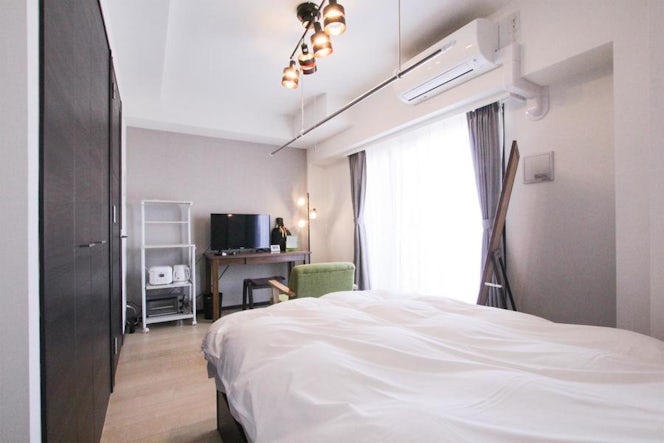
Recommended for those living for one month or longer] Furnished rooms with furniture and appliances are available! The property is an 11-minute walk from Sengoku Station, making it easy to get around. We offer carefully cleaned rooms, over 60 basic furnishings, fixed Wifi, clean and comfortable rooms. *Facility and equipment items listed below may differ from the floor plan. All rooms in this property are non-smoking rooms. Please understand beforehand.
https://unito.life/property/577
At-Inn Korakuen 3
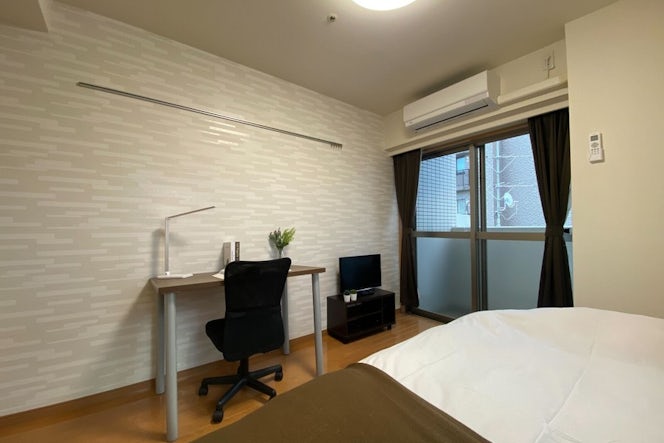
Recommended for those living for a month or longer] Furnished rooms with furniture and appliances are available! The Iidabashi station is a 13-minute walk away, so it is easy to get around. We offer carefully cleaned rooms, over 60 basic furnishings, fixed Wifi, clean and comfortable rooms. *Facility and equipment items listed below may differ from the floor plan. All rooms in this property are non-smoking rooms. Please understand beforehand.
https://unito.life/property/6173
at Inn Komagome 4
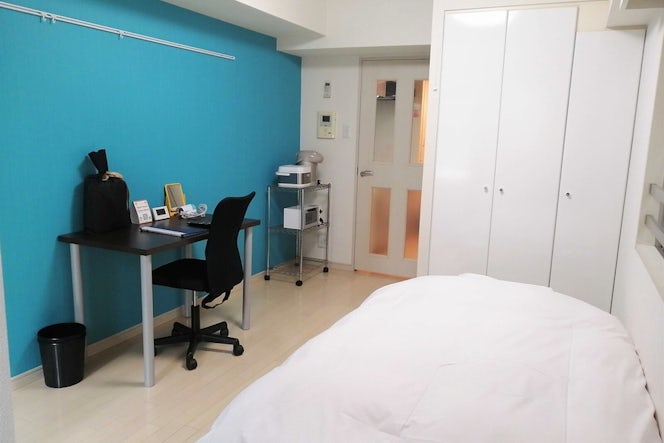
Recommended for those living for a month or longer] Furnished rooms with furniture and appliances are available! The house is a 5-minute walk from Honkomagome Station, making it easy to get around. We offer carefully cleaned rooms, over 60 basic furnishings, fixed Wifi, clean and comfortable rooms. *Facility and equipment items listed below may differ from the floor plan. All rooms in this property are non-smoking rooms. Please understand beforehand.
https://unito.life/property/6207
8_1 Conclusion
8_1 Summary of Key Points
- Bunkyo is a well-connected, residential ward that offers a balance of affordability and convenience.
- The real estate market in Bunkyo is stable, with a variety of apartment types available for different budgets.
- Commuting from Bunkyo is easy thanks to its proximity to major train lines and business districts.
- Renting in Bunkyo offers flexibility, while buying presents long-term investment opportunities.
8_2 Final Thoughts on Apartment Living in Bunkyo
Living in Bunkyo provides the best of both worlds—peaceful residential neighborhoods and quick access to Tokyo’s bustling business hubs. Whether you’re a student, professional, or expatriate, Bunkyo’s diverse housing options, cultural appeal, and excellent public transportation make it an ideal choice for long-term stays in Tokyo.
Unito 公式サイト