
Introduction
In recent years, the concept of the digital nomad has gained tremendous popularity. With more people able to work remotely, many are choosing to explore new cultures and regions while maintaining their careers. Japan, a country known for its blend of tradition and innovation, has become an appealing destination for digital nomads. Although there is currently no official "Japanese Digital Nomad Visa," Japan does offer visa options that can support remote work lifestyles, and new discussions are emerging around creating a dedicated visa for digital nomads. This guide explores what a digital nomad visa typically entails, why Japan is an excellent choice for digital nomads, and how to navigate the current visa landscape if you're considering Japan as your next base.
What Is a Digital Nomad Visa?
A digital nomad visa is a special type of visa designed for remote workers who want to live and work in a different country while being employed by companies outside of that country. Unlike traditional work visas, a digital nomad visa typically allows individuals to stay for extended periods without being officially employed by a local business. This type of visa has become popular in countries that aim to attract skilled professionals who contribute economically without taking local jobs. Countries like Estonia, Barbados, and Dubai have developed dedicated visas to cater to digital nomads, offering an official route to live and work abroad without breaching local employment regulations.
Why Japan Is a Great Destination for Digital Nomads
Japan’s vibrant culture, advanced technology, and quality of life make it a fantastic choice for digital nomads. From bustling urban centers like Tokyo and Osaka to serene rural areas, Japan offers a unique environment for working and living. High-speed internet, reliable public transportation, and coworking spaces are widely available, making it easy for digital nomads to stay connected and productive. Beyond work, Japan's rich history, cultural festivals, and natural beauty provide endless opportunities for exploration. For those looking to experience a different way of life while maintaining their remote work routines, Japan offers a balance of excitement and comfort that’s hard to find elsewhere.
Requirements for the Japanese Digital Nomad Visa
Since Japan does not currently offer a dedicated digital nomad visa, individuals seeking to live and work in Japan as digital nomads typically use other visa categories that accommodate their needs. Below are some key requirements and considerations for those looking to establish themselves in Japan as remote workers.
Eligibility Criteria
The most common visa option for digital nomads in Japan is the tourist visa, which allows for short stays but may not be suitable for long-term work arrangements. However, Japan does offer other visas that digital nomads could consider, such as the Highly Skilled Professional Visa, which is based on a points system and could potentially apply to remote professionals who meet specific qualifications in education, work experience, and salary. Additionally, individuals with specialized skills or expertise in fields like IT or finance may be eligible for a Work Visa if they can secure a contract with a Japanese company or qualify under particular circumstances.
Necessary Documentation
To apply for any visa in Japan, applicants generally need to provide several essential documents. These include a valid passport, a completed visa application form, passport-sized photographs, and proof of financial stability. For longer stays, evidence of professional qualifications, employment contracts, or bank statements may also be required. For those considering the Highly Skilled Professional Visa, documentation that verifies their professional experience, education, and skill set will also be necessary to support their eligibility under the points-based system. It’s crucial to have accurate and comprehensive documentation prepared when applying to avoid delays in the visa process.
Application Process
The application process for visas in Japan varies based on the type of visa being sought. In general, applicants need to submit their completed application form and relevant documents to a Japanese embassy or consulate in their home country. For digital nomads considering the Highly Skilled Professional Visa, an initial assessment of their qualifications is conducted to ensure they meet the required points. Once eligibility is confirmed, the application is processed, which may take several weeks. It is recommended to begin the application process well in advance of any planned travel to Japan to allow for potential processing delays. While Japan's visa application procedures are thorough, having the necessary paperwork in order and following the specified steps can help facilitate a smoother experience for digital nomads looking to establish a base in Japan.
Benefits of the Japanese Digital Nomad Visa
Japan’s potential digital nomad visa offers numerous benefits for those looking to blend work with travel. Known for its technological advancements, rich history, and unique culture, Japan provides an ideal environment for digital nomads seeking a balance between professional responsibilities and personal fulfillment. This visa could open the door for remote workers to immerse themselves in Japan's lifestyle, contribute economically, and build connections, making it easier for nomads to experience the country without the typical employment constraints of traditional work visas.
Work-Life Balance in Japan
One of the main attractions of living and working in Japan is the emphasis on achieving a work-life balance. Japan’s highly efficient infrastructure, advanced technology, and vast array of coworking spaces make it convenient to maintain productivity. With reliable public transportation, high-speed internet, and numerous amenities, digital nomads can manage their workload seamlessly. Japan also offers access to relaxing activities, such as visiting natural hot springs (onsen), exploring beautiful parks, and trying local cuisine, allowing for a rejuvenating balance between work and leisure.
Cultural Experiences
Japan's deep-rooted cultural heritage presents a rare opportunity for digital nomads to immerse themselves in a unique way of life. From traditional tea ceremonies and seasonal festivals to exploring ancient temples and shrines, there is no shortage of cultural experiences in Japan. Digital nomads can participate in local customs, such as hanami (cherry blossom viewing) in spring and matsuri (festivals) throughout the year. This cultural immersion is enriching and offers a fulfilling experience that goes beyond typical tourist activities, creating meaningful connections with Japan’s history and customs.
Networking Opportunities
Japan is home to a thriving community of professionals across industries such as technology, finance, education, and design. For digital nomads, this presents a chance to connect and network with both local professionals and other expatriates. Many cities, particularly Tokyo, Osaka, and Kyoto, host regular networking events, conferences, and industry meet-ups where digital nomads can exchange ideas and potentially collaborate on projects. This environment fosters a supportive community and provides opportunities to establish professional connections that can be beneficial for career growth and personal development.
Language and Support Resources
Although Japanese is the primary language spoken, many resources are available to support non-Japanese speakers. Language schools and private tutoring are readily accessible, with programs designed to teach practical Japanese for everyday situations. Additionally, many online tools, such as language learning apps and translation software, are commonly used among expatriates and digital nomads. Japan also offers various support networks for foreigners, including community centers, expat groups, and embassy services that provide guidance and resources to help newcomers adjust to life in Japan. These resources make it easier to navigate daily life and adapt to the local environment.
Exploring Japan While Working
One of the unique advantages of working remotely in Japan is the ability to explore the country at one’s own pace. Japan’s efficient rail system makes it possible to travel between major cities, like Tokyo, Kyoto, and Osaka, in just a few hours. This ease of travel allows digital nomads to work from different regions, each with its distinct culture, food, and scenery. Whether exploring the bustling cityscapes or the serene countryside, digital nomads can enjoy Japan’s diverse landscapes and cultural experiences. From mountain hikes to coastal views, Japan offers countless destinations that digital nomads can explore on weekends or during breaks, creating an enriching experience that blends work with discovery.
Finding Accommodation in Japan
For digital nomads, finding suitable accommodation in Japan is an essential step toward making the most of their time in the country. Japan offers a wide range of options, from short-term rentals in bustling city centers to quieter options in suburban and rural areas. Whether you’re staying for a few months or considering a longer arrangement, understanding the different types of accommodations and available resources can help make the search process smoother and ensure a comfortable stay in Japan.
Types of Accommodation Options
Japan has various types of accommodations to cater to different needs, budgets, and lifestyle preferences. For those who prefer a more traditional experience, options like ryokan (traditional Japanese inns) offer a unique cultural immersion, though these are typically short-term and best suited for brief stays. Long-term visitors may consider apartments, which come in both furnished and unfurnished options. Furnished apartments are ideal for digital nomads, as they come ready with essentials, saving time and hassle.
Another popular option for digital nomads is share houses, where residents have private rooms but share communal spaces like kitchens and living rooms with others. Share houses are economical and offer a social atmosphere, making it easier to connect with other residents, including locals and expatriates. For those seeking privacy, renting a private apartment may be preferable, though it often comes at a higher cost. Alternatively, serviced apartments provide hotel-like services, including regular cleaning and sometimes concierge assistance, ideal for those wanting added convenience during their stay.
Tips for Short-Term Rentals
When looking for short-term rentals in Japan, it’s helpful to consider factors such as location, budget, and contract length. Major cities like Tokyo, Osaka, and Kyoto offer an abundance of short-term rental options, but prices can vary significantly depending on proximity to central areas and popular neighborhoods. To keep rental costs reasonable, consider staying in areas slightly removed from central districts, where prices tend to be lower, and transit connections are still reliable.
Understanding the rental process is also important. In Japan, many landlords require key money, a non-refundable payment similar to a gift to the property owner, along with deposit and agency fees. For short-term rentals, some agencies and platforms offer more flexible terms, often without key money or long contracts. Choosing accommodations specifically tailored to short-term visitors, like furnished apartments or share houses, can simplify the application process and reduce upfront costs. Additionally, checking online reviews and consulting with expatriate communities can provide insights into reliable rental options and help avoid potential issues.
Using Unito for Accommodation Searches
Unito is a valuable resource for digital nomads and expatriates looking for accommodations in Japan. Specializing in furnished and flexible rental options, Unito caters to short-term and long-term stays, making it easier for digital nomads to find suitable housing. Unito’s platform allows users to filter searches based on preferences such as location, amenities, and price range, providing a tailored list of options that meet individual needs.
Unito also offers multilingual support, which is particularly useful for those who may not be fluent in Japanese. The platform features detailed property listings with photos, descriptions, and rental terms, ensuring transparency and helping users make informed decisions. By using Unito, digital nomads can streamline their search process, find reliable accommodations, and have a smoother transition to life in Japan.
Living as a Digital Nomad in Japan
Living as a digital nomad in Japan is a unique experience that combines the excitement of exploring a new country with the responsibilities of maintaining a work routine. Japan’s blend of tradition and modernity provides digital nomads with opportunities to dive into its rich cultural heritage, adapt to a structured lifestyle, and connect with local communities. Balancing work and travel in Japan requires flexibility and cultural awareness, but it offers an enriching experience for those willing to immerse themselves in this dynamic environment.
Adapting to Japanese Culture
Japan’s cultural norms are deeply rooted in respect, discipline, and social harmony, and adapting to these aspects can significantly enhance the digital nomad experience. Punctuality is highly valued in Japan, and respecting time commitments, whether for work or social events, is essential. Bowing is a customary greeting, with varying depths based on formality, and showing politeness in everyday interactions is appreciated.
Learning some basic Japanese phrases is also beneficial, as it shows respect for the local culture and helps in navigating daily life. Simple phrases like “arigatou” (thank you) or “sumimasen” (excuse me/sorry) go a long way in creating positive interactions. Being mindful of Japan’s emphasis on cleanliness and quietness in public spaces, such as keeping noise levels down on public transportation, is another way to adapt respectfully. Embracing these cultural aspects helps digital nomads build a positive relationship with their new surroundings and enhances their overall experience.
Managing Work Hours
Japan’s time zone and work culture may require adjustments for digital nomads who work with teams in different regions. Japan is in the JST (Japan Standard Time) zone, which may necessitate early mornings or late evenings if coordinating with teams in North America or Europe. Establishing a consistent work schedule that accommodates both personal productivity and any necessary collaboration with colleagues in different time zones is essential for a smooth work routine.
Japan has numerous coworking spaces, cafes, and libraries that provide comfortable environments for remote work. Many coworking spaces in major cities like Tokyo, Osaka, and Kyoto are designed with facilities that support various work styles, from quiet zones to collaborative areas. These workspaces help digital nomads stay organized and maintain productivity. Additionally, managing work hours effectively leaves ample time to explore Japan’s diverse attractions, making it possible to balance professional obligations with leisure activities.
Connecting With Local Communities
For digital nomads, building connections within the local community can enrich their stay in Japan and create a support network. Many cities host international meet-ups, language exchange events, and community gatherings that welcome foreigners, making it easier to socialize and form friendships. Joining expatriate groups or participating in cultural activities, such as tea ceremonies or cooking classes, is also a great way to engage with locals and learn more about Japanese customs.
Additionally, Japan has various online platforms where expatriates and digital nomads can connect, share experiences, and offer advice on living and working in Japan. Some cities have dedicated digital nomad communities where professionals can network and even collaborate on projects. These communities provide a sense of belonging and support, helping digital nomads feel more at home and connected in Japan.
Balancing Travel and Work
One of the biggest draws of living as a digital nomad in Japan is the opportunity to explore the country while working remotely. Japan’s excellent transportation system, including the efficient Shinkansen (bullet train), makes it easy to travel between cities and regions, allowing digital nomads to experience various aspects of Japanese culture and landscape. Many choose to work during the weekdays and use weekends for short trips to places like Kyoto, Hiroshima, or even the scenic countryside.
Balancing work and travel requires planning, but Japan’s well-organized infrastructure supports a flexible lifestyle. Nomads can explore historic sites, hike through mountainous trails, or relax in onsen towns, all while maintaining their professional responsibilities. This balance of work and travel adds depth to the digital nomad experience, making it a rewarding way to live and work in Japan.
Tips for a Successful Stay
For digital nomads, a successful stay in Japan goes beyond finding the right accommodation and managing work hours. Careful planning around budgeting, healthcare, and legal matters can ensure a smooth and enjoyable experience. Japan is known for its high standards of living, quality healthcare, and structured legal systems, making it essential to understand how to navigate these areas effectively.
Budgeting for Your Stay
Japan can be an expensive destination, particularly in major cities like Tokyo and Osaka. Creating a budget that accounts for accommodation, food, transportation, and other living expenses is crucial. Accommodation costs vary widely, with metropolitan areas being more costly than rural locations. For digital nomads looking to save, share houses or renting in neighborhoods slightly outside city centers can offer more affordable options.
Food is another important factor in budgeting. While dining out at local restaurants can be affordable, international cuisine or high-end dining can quickly add up. Many digital nomads find a balance by exploring local eateries and utilizing Japan’s numerous supermarkets and convenience stores for groceries. Japan’s public transportation is reliable and efficient, and purchasing a prepaid transit card like Suica or Pasmo can help manage travel expenses. For those planning to travel across regions, a Japan Rail Pass can be a cost-effective way to explore multiple destinations.
Healthcare and Insurance
Access to healthcare is essential, especially for digital nomads planning an extended stay. Japan has a high-quality healthcare system, and foreigners can access medical services with proper insurance coverage. Most expatriates and digital nomads opt for international health insurance that covers treatments in Japan, which provides peace of mind and access to necessary care. Additionally, some may qualify for Japan’s National Health Insurance (NHI), which covers a significant portion of medical expenses for residents, including expatriates under certain visa conditions.
For those not covered by NHI, finding private health insurance tailored to expatriates is recommended. Japan’s hospitals and clinics generally offer excellent medical care, though not all healthcare professionals are fluent in English. It’s advisable to locate English-speaking clinics or hospitals in advance, especially in smaller cities where language barriers may be more prevalent. Staying prepared with health insurance and understanding where to seek care ensures digital nomads can access medical services without unexpected challenges.
Legal Considerations
Understanding the legal landscape in Japan is vital for a successful stay, especially regarding visa requirements, employment regulations, and tax obligations. Digital nomads should ensure their visa type aligns with their intended activities in Japan. Currently, Japan does not have a dedicated digital nomad visa, so nomads often enter on tourist visas, business visas, or other applicable options, depending on their specific work arrangements. It is essential to be aware of the duration and limitations of each visa type to avoid overstaying or violating visa conditions.
For those earning income while residing in Japan, tax considerations may apply depending on the length of stay and visa type. Japan has tax treaties with many countries, which may affect tax obligations for expatriates, so consulting with a tax professional knowledgeable in international and Japanese tax laws is recommended. Additionally, familiarizing oneself with local laws regarding behavior, public conduct, and residency can contribute to a respectful and legally compliant stay in Japan. By preparing in advance and understanding these legal considerations, digital nomads can enjoy a smooth and trouble-free experience in Japan.
Potential Challenges
While living as a digital nomad in Japan offers numerous advantages, there are certain challenges to consider. Navigating visa requirements, adapting to a new language, and coordinating work across time zones can be complex aspects of the digital nomad experience in Japan. Being aware of these potential challenges and planning accordingly can help digital nomads overcome obstacles and make the most of their time in Japan.
Visa Renewals
Japan’s current visa system can be challenging for digital nomads, particularly regarding renewals. Many digital nomads enter Japan on short-term visas, such as tourist or business visas, which may not provide the flexibility needed for extended stays. Tourist visas are typically valid for 90 days, though citizens of certain countries may qualify for longer stays. Once a visa nears its expiration, leaving and re-entering Japan to renew can be complicated and is not always guaranteed.
Those staying longer might explore options like the Highly Skilled Professional Visa, but this visa requires applicants to meet specific criteria based on professional skills, education, and financial stability. Planning ahead for visa renewals or understanding alternative visa types can help digital nomads avoid disruptions to their stay. Consulting with immigration specialists or local expatriate networks can provide insights into potential solutions, such as finding sponsorship for a work visa, though these options depend on individual circumstances.
Language Barriers
While Japan is increasingly internationalized, Japanese remains the primary language, and English proficiency varies by region. In large cities like Tokyo and Osaka, English signage and English-speaking staff are more common, particularly in tourist areas. However, in smaller towns or less central areas, communication in English can be limited. Basic tasks like shopping, ordering at restaurants, and using public transportation can sometimes present challenges for non-Japanese speakers.
Digital nomads can overcome language barriers by learning basic Japanese phrases for everyday situations, such as greetings, asking for directions, and ordering food. Language learning apps, phrasebooks, and even local classes can be invaluable for building confidence in Japanese interactions. Many locals appreciate attempts to speak Japanese, even if it’s just a few words, as it demonstrates respect for the culture. Additionally, various translation apps can assist with real-time translation and are especially helpful in navigating signs, menus, and other written information.
Managing Time Zones
Japan’s time zone (Japan Standard Time, JST) can pose challenges for digital nomads working with teams or clients in other parts of the world. For instance, if a digital nomad is working with North American clients, there can be a significant time difference, often requiring early morning or late evening meetings. This adjustment in work hours can affect sleep patterns and overall productivity, especially if meetings or deadlines regularly fall outside standard working hours.
To manage these time zone differences effectively, digital nomads can establish a set schedule that accommodates both personal productivity and availability for meetings. Setting clear boundaries and maintaining regular communication with clients or colleagues about availability can help manage expectations. Additionally, leveraging scheduling tools that automatically adjust for time zones can simplify meeting arrangements and reduce scheduling conflicts. With careful planning and time management strategies, digital nomads can balance these time zone challenges and maintain effective working relationships.
Apartments for Rent in Japan
Sugusumu Azabujuban by unito
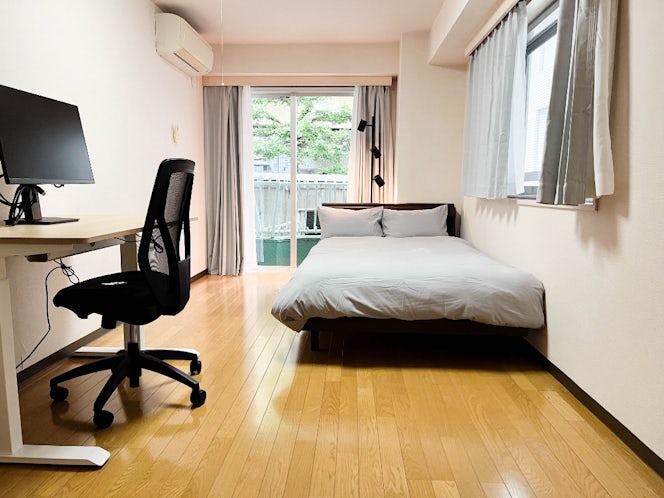
Access: 1 minute walk from Azabu-juban Station on Tokyo Metro Namboku Line
Equipment: Bath (shower), toilet, kitchen, bed, stove (including IH), air conditioner, washing machine (free of charge), refrigerator, desk (for work) included
Room Features: Standard furniture and appliances such as beds, washing machines, and refrigerators, of course. Some rooms are equipped with elevating desks, work chairs, and monitors! Recommended for remote work!
Security: All rooms are on the 2nd floor. There is a door that requires a key to enter the hallway where the rooms are located from the 2nd floor.
URL: https://unito.life/property/16186
unito Residence Kyoto Takasegawa
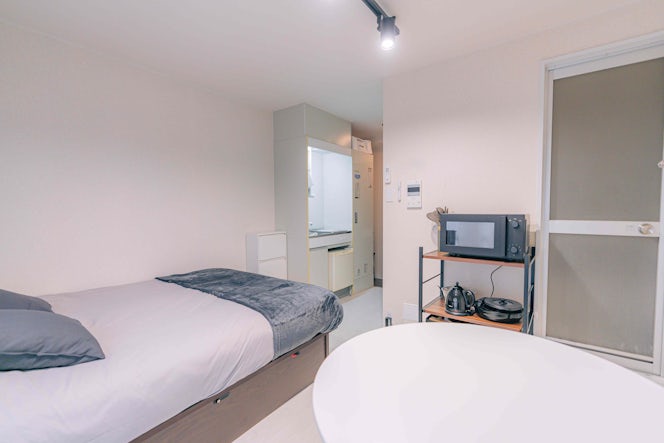
Access: 3 min. walk from Shimizu Gojo Sta. on the Keihan Main Line / 10 min. walk from Shichijo Sta. on the Keihan Main Line
Equipment: Bed, bath (shower) and toilet, kitchen, futon, kitchen utensils, stove (including IH), air conditioner, bathroom utensils (shampoo and body soap), washing machine (free), refrigerator included
There are many world-famous and famous temples and shrines, historic sites, important cultural assets, etc., including Kiyomizu-dera Temple, where you can enjoy taking a walk!
It is also very accessible to Osaka along the Keihan railway line, and it is possible to go to JR Kyoto Station and Shijo Kawaramachi on foot! Away from the downtown area, you can spend your time quietly at night♩ There are supermarkets, pharmacies, and coin laundromats in the neighborhood. Also, many convenience stores are very convenient!
You can also walk or ride a bicycle to Shijo-Kawaramachi, where there are many department stores, and you can get everything you need. Rooms 1, 2, and 3 face the Takase River, so you can enjoy the view!
URL: https://unito.life/property/13215
Sugusumu Otemachi by unito
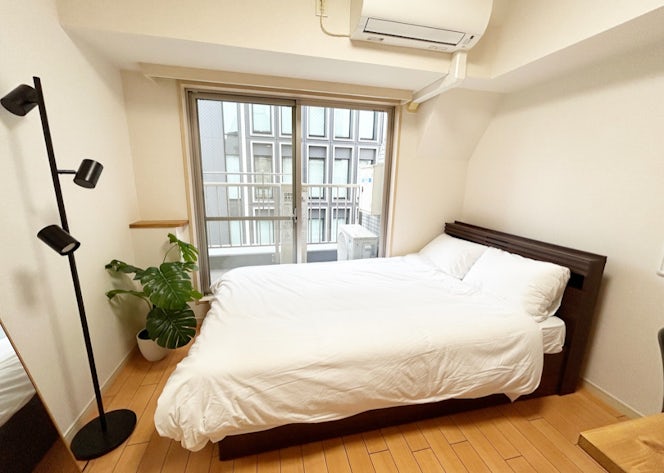
Access: 4 min. walk from Kanda Station on JR Yamanote Line / 5 min. walk from Otemachi Station on Tokyo Metro Marunouchi Line
Equipment: Bed, bath (shower) and toilet, kitchen, living room, stove (including IH), air conditioner, washing machine (free of charge), refrigerator, desk (for work) included
Not to mention standard furniture and appliances such as beds, washing machines, and refrigerators. All rooms have wood flooring, air conditioning, independent washstands, and other amenities to enrich your life. In addition, the apartments are equipped with auto-locks and delivery boxes, allowing you to live comfortably and safely even during your busy days. It is also recommended for remote working!
The building is conveniently located just a 4-minute walk from Kanda Station and a 6-minute walk from Otemachi Station. Although it is in a business district, you can relax in a quiet environment.
URL: https://unito.life/property/16202
Conclusion
As digital nomadism continues to grow, Japan presents a unique and attractive destination for those looking to balance work and exploration in a culturally rich environment. While Japan does not currently offer a dedicated digital nomad visa, existing visa options and the country’s modern infrastructure provide a workable solution for remote workers. With the right planning and resources, digital nomads can enjoy Japan’s distinctive lifestyle, from its efficient cities to its scenic countryside.
Final Thoughts on the Japanese Digital Nomad Visa
The Japanese digital nomad visa may not yet be a reality, but the country’s appeal to remote workers is undeniable. Japan offers a high quality of life, world-class amenities, and ample opportunities to experience both modern and traditional cultures. For digital nomads who are adaptable and willing to navigate visa requirements, Japan can be an ideal base. The experience of working in Japan allows individuals to grow personally and professionally, immersing themselves in a unique setting that combines respect for history with a forward-looking approach to technology and innovation. With an awareness of visa limitations, digital nomads can make Japan a rewarding stop in their journey.
Recommendations for Finding Accommodation With Unito
Finding the right accommodation is crucial for digital nomads looking to settle comfortably in Japan, and Unito offers a streamlined solution for this. Unito specializes in furnished, short-term, and long-term rental options, catering to digital nomads who value flexibility and convenience. By using Unito, digital nomads can simplify the search process with tailored filters for location, amenities, and rental duration, making it easy to find suitable options across Japan’s cities.
Unito’s platform also provides multilingual support, helping digital nomads overcome language barriers that often accompany the search for housing. With transparent listings, detailed property information, and a user-friendly interface, Unito ensures that finding accommodation in Japan is straightforward and stress-free. For digital nomads seeking a hassle-free approach to securing housing, Unito is a reliable and practical choice, enabling them to focus on their work and explore Japan confidently.